America celebrates 250 years this summer. Wichita Falls’ history doesn’t stretch back quite that far, but the city can track its earliest origins back to frontier days and a colorful history since.
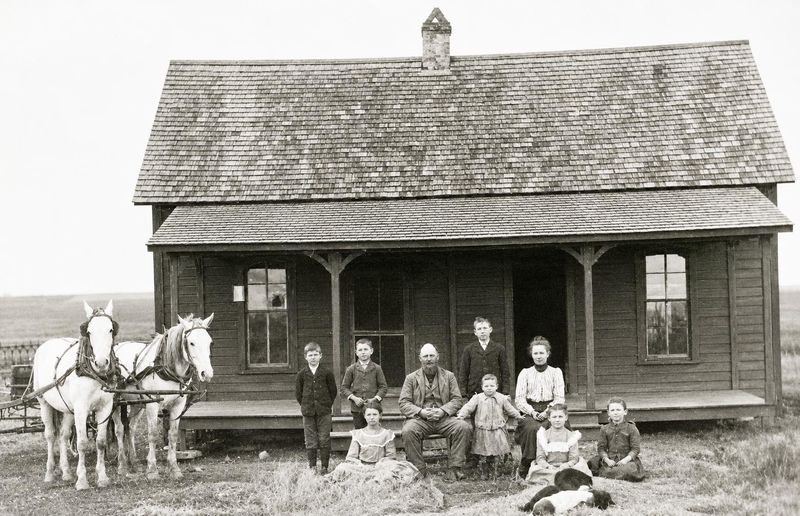
It began with a land purchase in 1837, and then the first efforts to establish a township started near a waterfall on the Wichita River. That was 1876, a time when the few farm families in the area mingled with Native Americans.

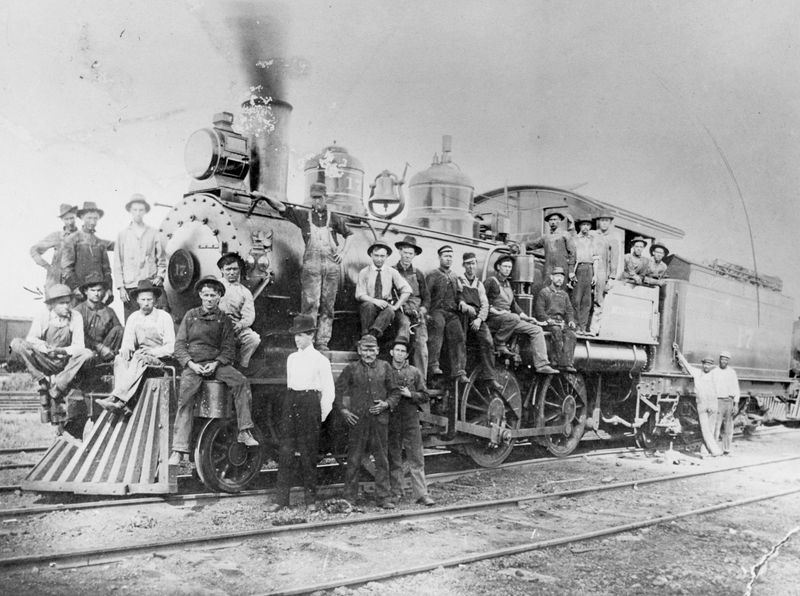
Officially, the birth of the city is is marked as Sept. 27, 1882, when the Fort Worth and Denver Railway Company arrived and town lots were sold.
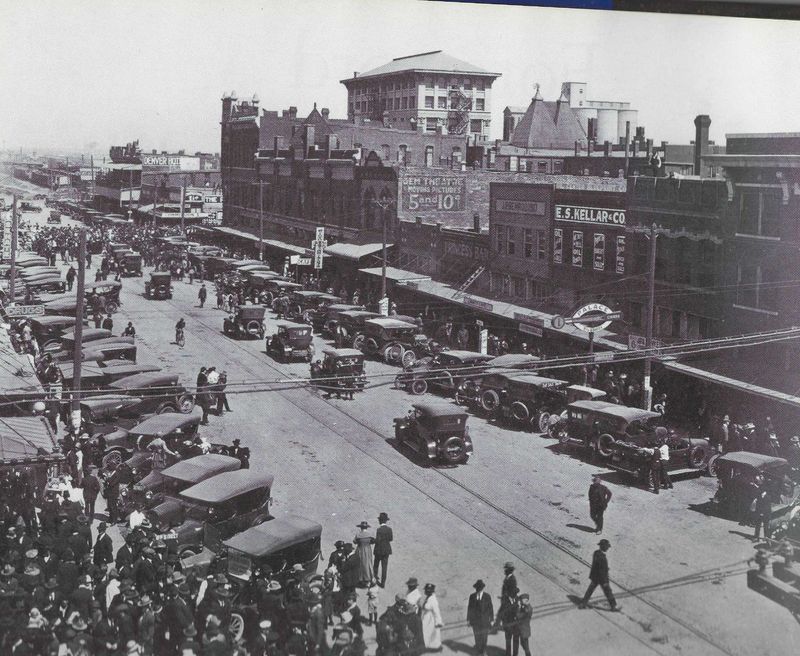
Joseph A. Kemp and his brother-in-law, Frank Kell, were among the fist big entrepreneurs and promotors in the new city, building upon the arrival of the railroads. By 1909, the city had more than 5,000 residents, 100-plus businesses, a streetcar system and a reservoir, Lake Wichita, to provide water.
If railroads were the beginning, Wichita Falls soon grew, as evidenced by articles from the Texas State Historical Association, the Wichita County Archives and the files of the Times Record News.
Oil, oil, everywhere oil!
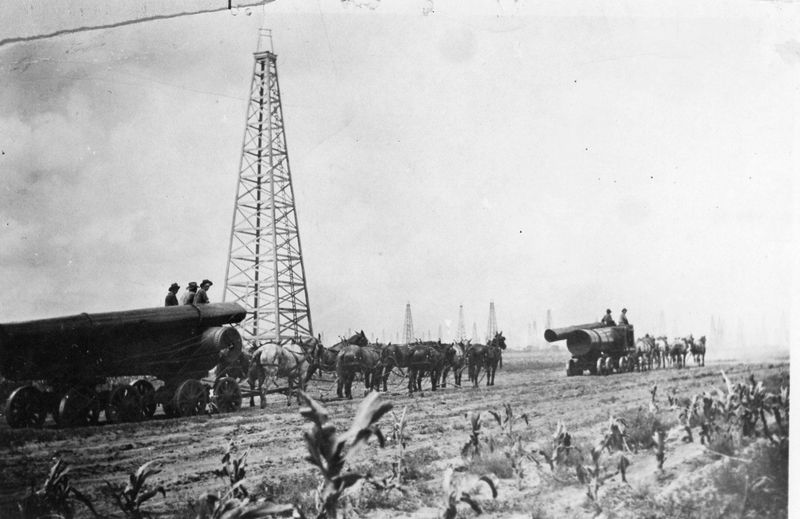
Oil was discovered east of town in Clay County in 1903, in the Electra field by 1911 and by 1913, the Wichita Falls area was producing 46% of all the oil in Texas — and the real boom hadn’t happened yet.
That happened in the Burkburnett fields in 1918. In the next couple of years, bank deposits increased by 400%, nine refineries were built and landmark tall buildings that comprise downtown Wichita Falls were sprouting up.
By 1930, the population was 43,607 people served by 32 parks, 47 churches, 20 schools and 118 industrial sites. The discovery of more oil near Kamay helped the region weather the Great Depression.
Here we go into the wild blue yonder!
On the eve of World War II in 1940, Wichita Falls’ population had climbed to 55,200. While the city traces its military ties to Call Field, a World War I U.S. Army Air Service training camp that operated from 1917 to 1919, a more lasting relationship was the opening of Sheppard Field in 1941.
At the height of World War II, the field had 46,000 Army personnel.
After the Air Force was created as a separate branch of the military, the installation became Sheppard Air Force Base in 1948.
Getting down to business
Wichita Falls’ population surpassed 100,000 for the first time in 1960, according to the U.S. Census Bureau.
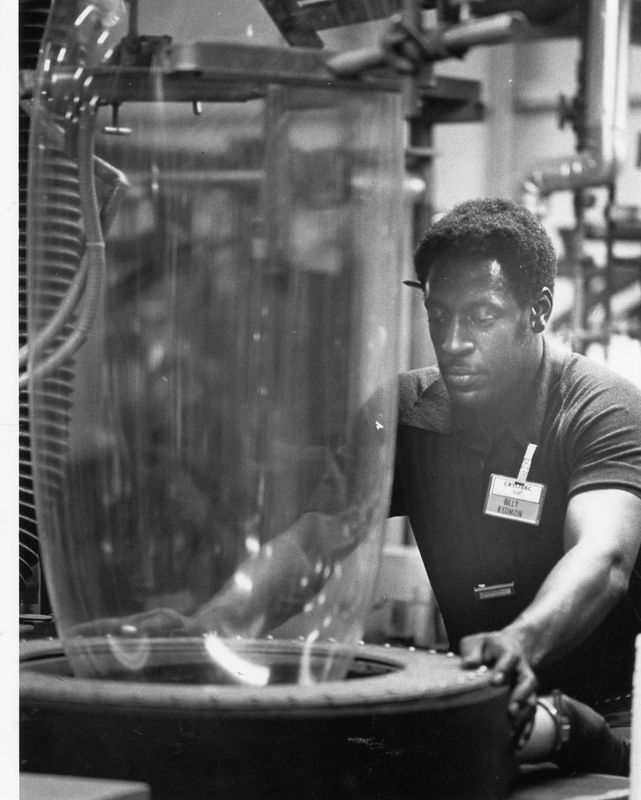
While oil remained strong in its economy, the city began diversifying as industries such as Sprague Electric, Johnson and Johnson, Gates Rubber and mobile home manufacturers arrived.
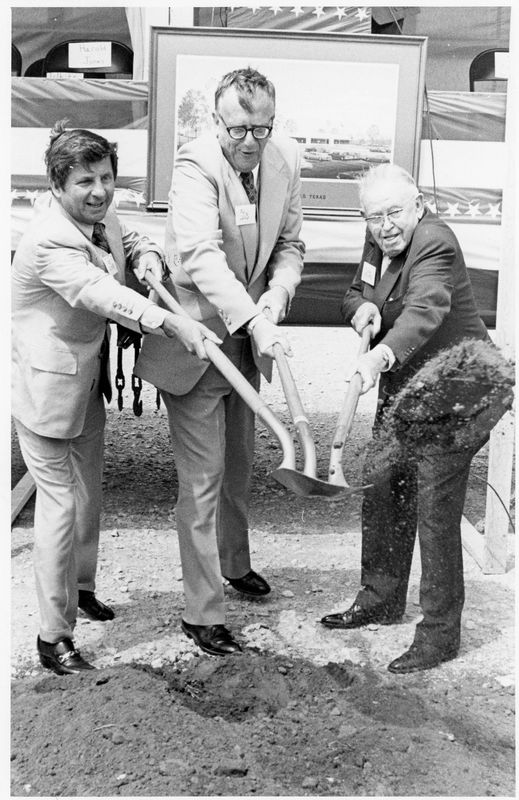
The 1970s brought a more intense effort at diversification as the Wichita Falls Chamber of Commerce reformed as the Board of Commerce and Industry and brought in major factories like PPG, CertainTeed, Washex, Howmet and AC Spark Plug.
Some of those companies have since left, and their facilities have been occupied by other industries.
Wichita Falls has offered education to residents since its earliest days. Midwestern State University has been part of the community for more than a century, and Vernon College has offered courses here since the 1980s.
Wichita Falls ISD has seen campuses come and go. Two new high schools opened in 2024.
A day to remember — and try to forget
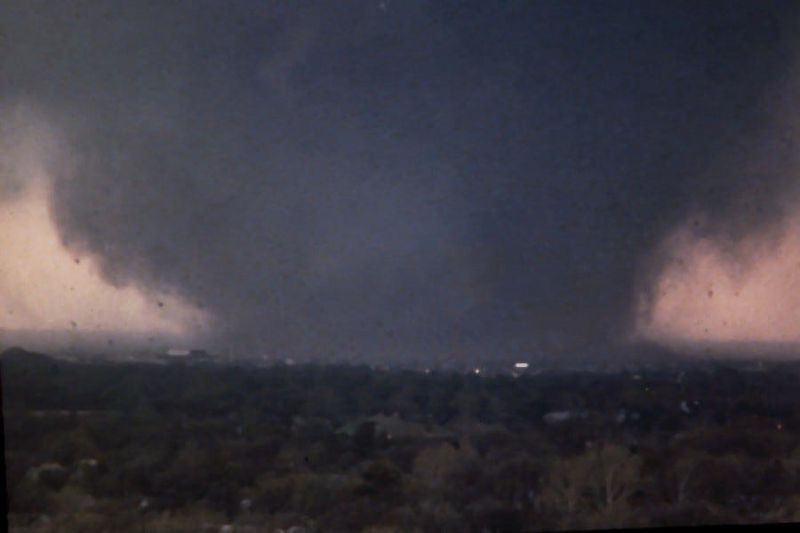
A dark date in Wichita Falls history occurred on April 10, 1979, when a massive tornado destroyed a large part of the southern section of town, killing 45, injuring more than 3,000 and leaving thousands homeless. Most of the physical scars of the devastation have since been covered by new development.
In addition, the city has endured periods of drought and flood.
Pedaling Wichita Falls
A major attraction to the city began in 1982 with the founding of the Hotter’N Hell bicycle race that grew to become one of the largest bicycle events in the nation as thousand of riders converge on the city to test their endurance in 100-degree heat.
Looking to the future
Wichita Falls’ official census population peaked at 104,553 in 2010 and has hovered just below that figure since then.
Beginning in the mid-2020s, city leaders began looking to data centers and related projects to bolster economic development.
This article originally appeared on Wichita Falls Times Record News: On America’s 250th birthday, Wichita Falls celebrates a long history
Reporting by Lynn Walker, Wichita Falls Times Record News / Wichita Falls Times Record News
USA TODAY Network via Reuters Connect

By Lynn Walker, Wichita Falls Times Record News | USA TODAY Network