America 250: Places that tell our story
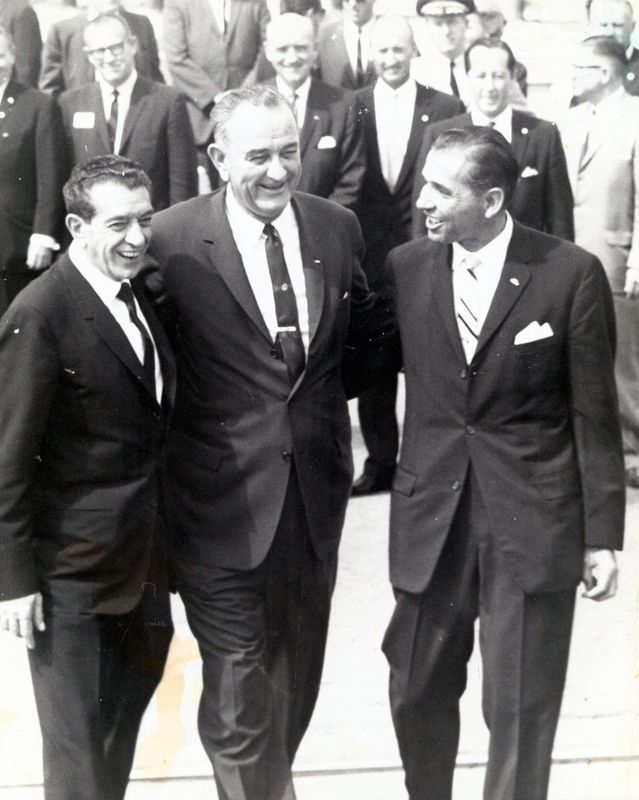
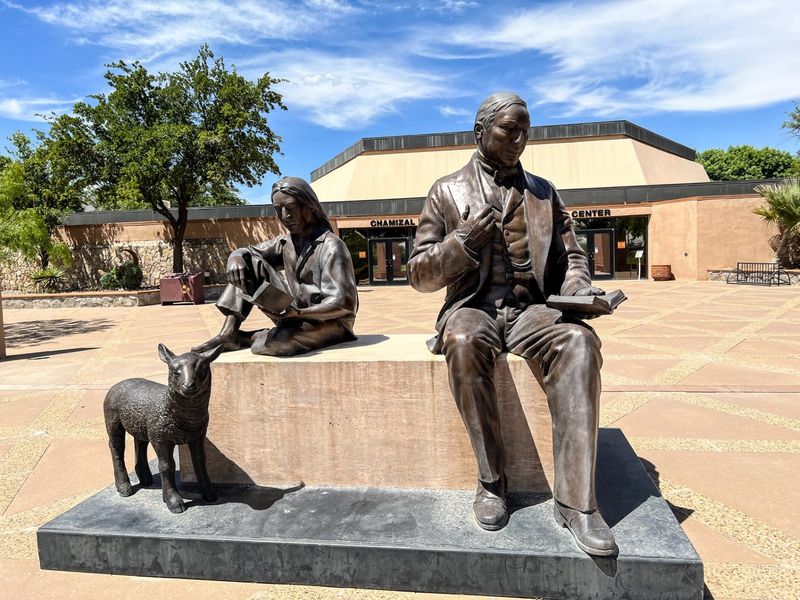
USA 250 Most Treasured Views is a USA TODAY Network- El Paso Times project exploring places across America with historical and cultural significance, created in celebration of the USA 250 initiative marking the nation’s 250th birthday. The Chamizal National Memorial celebrates cultural ties shared by Mexico and the United States, as well as the peaceful resolution of a border dispute. It also notes the 5,600 displaced residents. The memorial, authorized by Congress in 1966 and established Feb. 4, 1974, journeys into history with art, picnic tables and walking paths. A sculpture, “Benito Juárez – Child to Man,” by Ethan Taliesin Houser, honors the Mexican president who first raised the issue, sparked by the Rio Grande’s changing path, to President Abraham Lincoln. On Sept. 25, 1964, President Lyndon Johnson and Mexican President Adolfo López Mateos met at Bowie High School to celebrate the Chamizal Convention, ratified in 1963. The nations agreed to exchange land, tame the river and preserve its course, and the border, with a concrete channel. On Oct. 28, 1967, Johnson met Mexican President Gustavo Díaz Ordaz in El Paso and Juárez to seal the pact.

Location / State
El Paso, Texashttps://maps.app.goo.gl/JvhASMbf8fGquHPBA
Why it matters
The monument at 800 S. San Marcial St. is a testament to the relationship between the United States and Mexico, our next-door neighbor to the south. It symbolizes the ties that bridge history, time and national boundaries, and stands as an example of peaceful, mutual respect. While Mexico ceded about half its territory to the United States after the war between the nations, the Chamizal reflects an accord that came about more than 100 years later, through negotiations, not violence.
What to see today
While the cultural center has exhibits that detail the land dispute and the people it affected, it also highlights artwork on the grounds and inside the building. On display during a visit were sculptures by students from the University of Texas at El Paso, beautifully detailed dolls depicting costumes from states in Mexico, and larger sculptures displayed on the grounds. Inside, see videos showing President John F. Kennedy’s visit to Mexico City and listen to first lady Jacqueline Kennedy speak fluently in Spanish. Nearby, a room decorated in period furniture offers visitors a look back at how people lived then.
Explore more amazing locations that helped define American history with USA 250 Most Treasured Views.
Ask a local
After you’ve visited Chamizal, take a five-minute drive to nearby Lincoln Park, 4001 Durazno St., in South El Paso, to see murals painted on support pillars holding up highway overpasses. The art reflects the culture of the region. Visitors can take a self-guided tour of El Paso’s “Chicano Park,” then go across the street to Old Sheepdog Brewery, 3900 Rosa Ave., where visitors can get cold craft beer. Old Sheepdog has work by Borderland artists on display. Next door, Mystic Desert Studio often holds pop-up markets that offer food, clothes, art and more.
Plan your visit
Best time: If you only want to tour the visitors’ center, then anytime is fine. To enjoy the grounds, avoid hot afternoons in summer. However, El Paso has an excellent climate in the fall, spring and winter (although use a jacket then).
Hours/admission: The cultural center is open 10 a.m. to 5 p.m. Tuesday through Sunday, while the grounds are open 7 a.m. to 7 p.m. Both are closed New Years Day, Thanksgiving and Christmas. Special events can be held at other times.
Getting there: The Chamizal is best accessed via Paisano Drive; turn south on San Marcial. It also may be entered via Delta Drive. The parking lot off Delta is far from the cultural center. Visitors with disabilities should use the northern lot.
Learn more: The National Park Service offers more background on the boundary conflict at https://www.nps.gov/cham/learn/historyculture/conflict.htm, but the Texas State Historical Association has an excellent in-depth look at https://www.tshaonline.org/handbook/entries/chamizal-dispute
This article originally appeared on El Paso Times: Chamizal National Memorial is time capsule of US, Mexico’s agreement on borders
Reporting by Samuel Gaytan, Special to the El Paso Times / El Paso Times
USA TODAY Network via Reuters Connect