I loved the “Little House” books by Laura Ingalls Wilder when I was a child. One of her stories keeps coming to mind over and over again, from her first book, “Little House in the Big Woods.”
The family travelled from their cabin to Lake Pepin so that Pa could do some trading. Laura and her sister Mary gathered shiny pebbles on the lakeshore. Laura filled the pocket of her dress to the point that it burst at the seams. Ma’s stern lesson was that Laura’s burst pocket was the evidence of her greediness. Laura was filled with shame and remorse on the wagon ride home.

My own theology is grounded in relationships and systems and the interconnected web of all existence. When everything is in balance in mutual relationship, we create regenerative systems that feed and reinforce one another.
But when one part of the system takes more than its fair share of resources, other parts of the system experience strain and damage. The pocket is burdened beyond its capacity and the seams burst from the strain of greed. Not only is the garment ruined, the coveted pebbles are lost.
Last week, I was in Magee Marsh to observe the dozens of species of migrating birds. It was almost magical, seeing such an abundance of bird species. I took a side trip to see the Bradner Preserve, a remnant of the Black Swamp that once covered northwest Ohio. It was a balm for the soul, walking through the “swamp” which was, in truth, a verdant forest full of huge swamp oak and hickory, birdsong, wildflowers, and all sorts of green understory plants − a magical landscape.
The spell was broken on my trip back, along I-75 north of Bowling Green. Two hundred and eighty acres that were once verdant forest, then fertile farmland, were being scraped of living soil to make space for an large-scale AI data center. I felt the seams of my heart strain, and start to burst.
With our deep human interconnection with the land, it’s no wonder so many of us feel a deep sense of loss and grief when confronted with such devastation. When land is destroyed that has sustained our ancestors, and the ancestors of the people indigenous to the land, we have lost an important relationship in our lives.
But the grief runs deeper, because of the loss for our children and our children’s children – their future. These massive data centers gobble up water and energy at rates that our natural and built systems can’t sustain, for technologies (e.g. AI, cryptocurrency) with questionable sustained value.
Our relationship with the Earth is meant to be one of reciprocity, of both giving and receiving. When there is only taking, with no regard to natural limits, when extraction reaches the point of exhaustion or extinction, where will we be when there is nothing left to take? Why has the once “deadly sin” of greed become immune to shame?
Rev. Renee Ruchotzke works for the Unitarian Universalist Association (consulting on church health and vitality) and is an affiliated community minister at the Unitarian Universalist Church of Kent.
This article originally appeared on Record-Courier: Tragedy of natural limits is damage to our futures | Renee Ruchotzke
Reporting by Rev. Renee Ruchotzke, Special to The Record-Courier / Record-Courier
USA TODAY Network via Reuters Connect
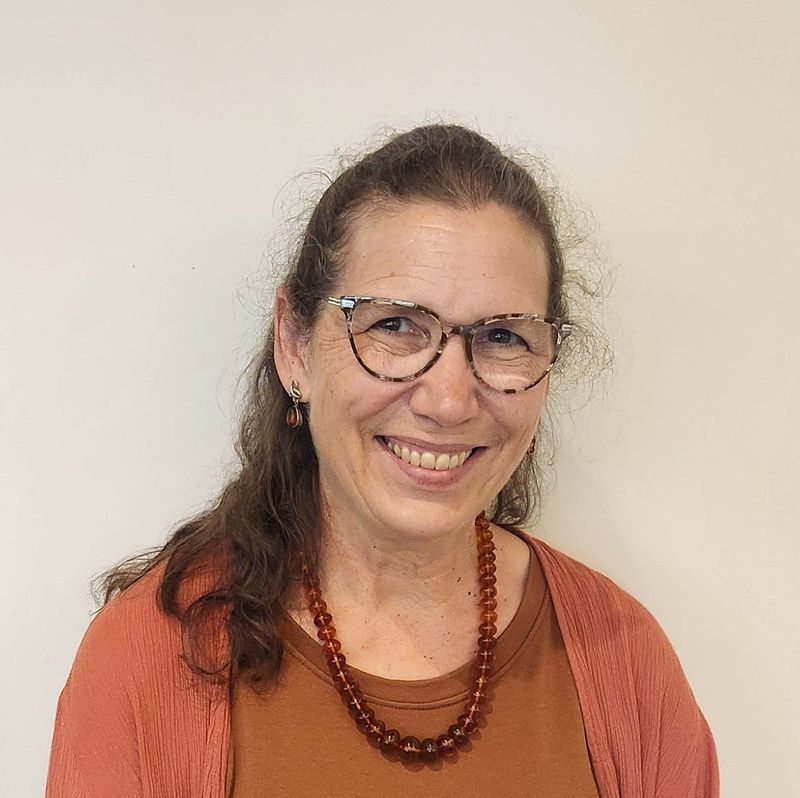
By Rev. Renee Ruchotzke, Special to The Record-Courier | USA TODAY Network