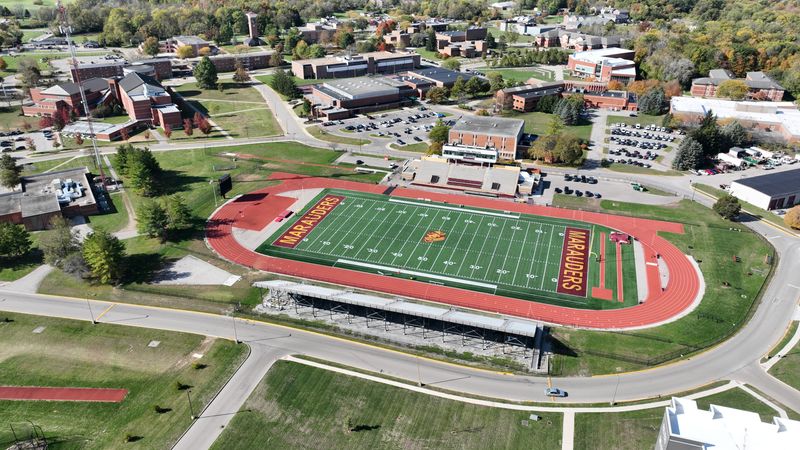
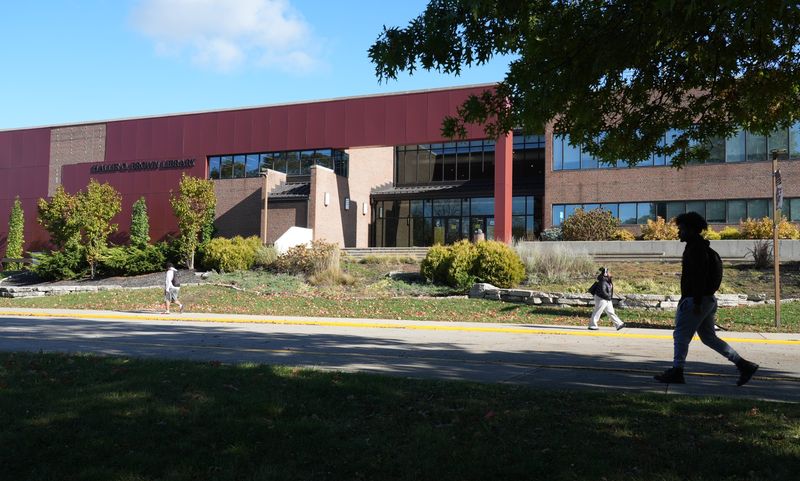
Central State University’s finances and its building maintenance can be summed up this way: A big mess.
A year ago, the Ohio Department of Higher Education put Central State on a fiscal watch because of several financial issues. A financial accounting report from Ohio Auditor Keith Faber, the university’s recovery plan and an assessment from Gov. Mike DeWine all shine a light on severe deficiencies in fiscal oversight, academic operations and building maintenance at Ohio’s only public historically Black university.

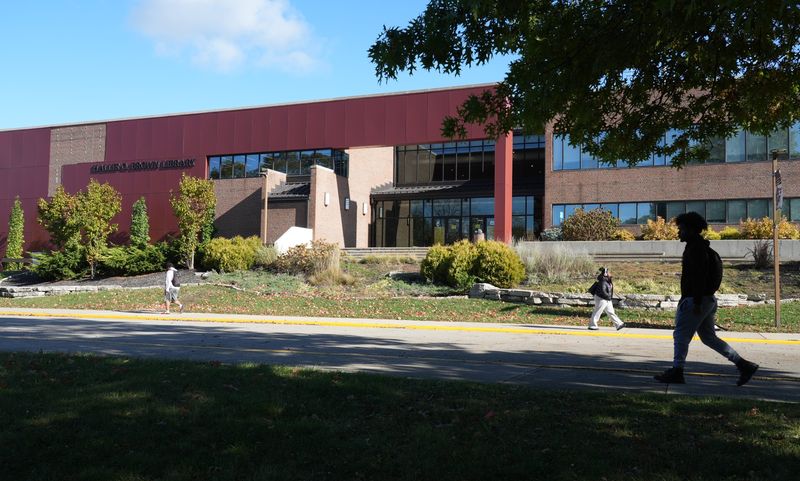
“I think the biggest shock, candidly, was the physical facilities,” DeWine said.
The DeWine administration has surged technical support to Central State over the past year, including a team from Miami University to examine the books and buildings. On Sept. 29, the governor got a call from the Miami team, saying the fire alarm in a dormitory housing 341 students didn’t work.
“That was a shock. That’s horrible. You can’t let that happen,” DeWine said.
The same day, the state fire marshal ordered Central State to immediately hire a company to provide 24/7 monitoring in the Foundations Hall II dorm. DeWine said the alarm system is expected to be working this week.
But students in that dorm may have been living without a working fire alarm for a year. In September 2024, Central State University got $214,000 from the state to replace the alarm system, which had been damaged by a lightning strike. It’s unclear whether the $214,000 was used to make repairs.
In 2015, Central State hired an outside vendor to handle building maintenance, but the company charged extra money and didn’t do the work. “Mechanical, electrical and plumbing systems now suffer due to lack of maintenance that was to be provided by the vendor,” the university’s fiscal recovery plan states.
The Ohio Department of Commerce’s inspectors took 11 elevators out of service on Oct. 24, during their most recent inspection. Two other elevators had already been shuttered.
“Our inspectors did identify major safety issues with several elevators, which warranted their removal from service to protect public safety,” the department said.
The university will ask the Ohio Controlling Board for money to hire an architecture firm in early November to assess campus buildings.
Central State faces multiple problems
Central State’s fiscal recovery plan, adopted in January, pointed to multiple problems, including:
The Ohio Auditor’s office is conducting an ongoing investigation, but auditors have already identified multiple problems: an unapproved free-tuition program for alumni and their family members, a rising amount of unpaid tuition along with minimal efforts to collect, scholarships being awarded without considering the budget impact, an outdated accounting system and a failure to provide audited financial statements.
“As governor, I am fully committed to the success of Central State and to fixing the problems that have been identified,” said DeWine, who leaves office in early 2027.
What is Central State University?
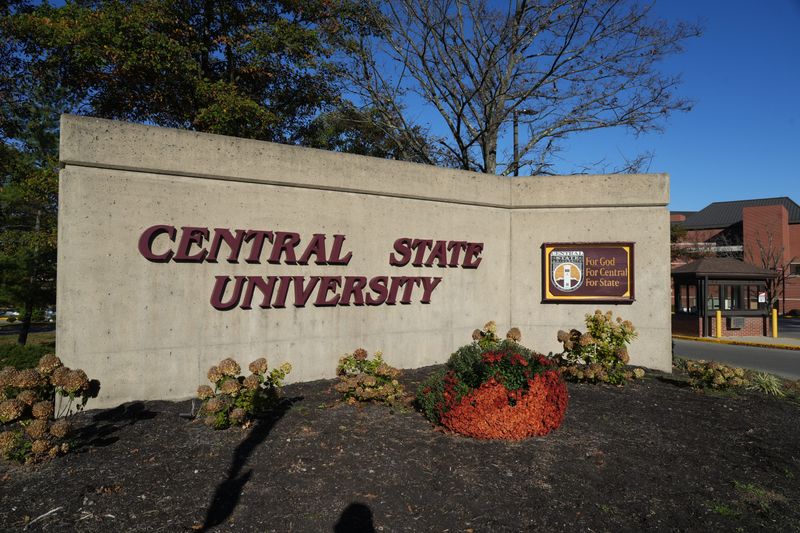
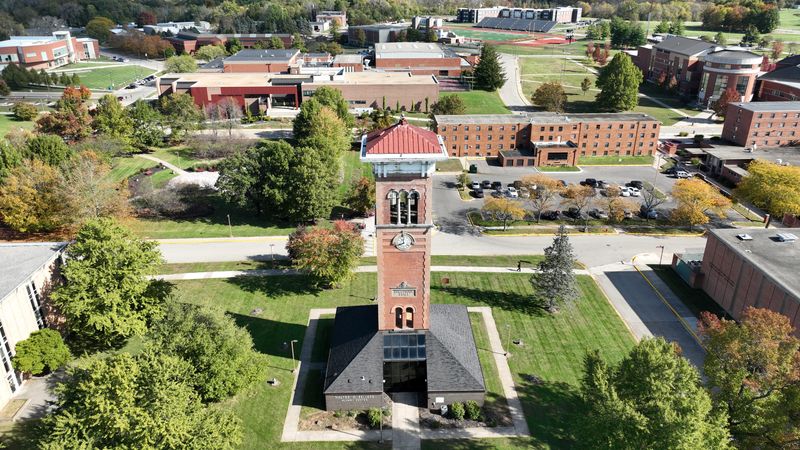
Central State University, founded in 1887, is the only public historically Black university in Ohio. It was designated a land grant university in 2014. Like other public universities, Central State is overseen by a board of trustees, appointed by the governor.
Located on 600 acres in Greene County, Central State sits across the street from Ohio’s only private HBCU, Wilberforce University.
Central State has been under fiscal watch multiple times.
In 1989, state auditors found CSU had been putting staff and faculty on its enrollment count, allowing the university to collect more in state subsidies.
In the mid-90s, the university overestimated its enrollment, causing a big shortfall. Its books were declared unable to be audited, all nine dorms were closed for health and safety concerns and the university faced $6 million in debt and $71 million in needed building repairs. The state provided a bailout in 1997.
In 2005, the university was placed on fiscal watch and the internal auditor was criminally charged for stealing from the university. In 2015, the university was on fiscal watch again.
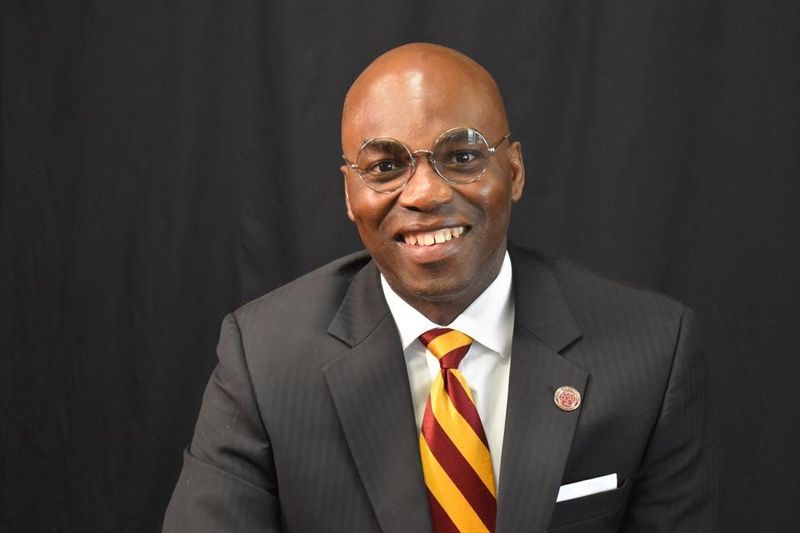
The latest fiscal watch began in October 2024 after the newly hired president, Morakinyo A.O. Kuti, blew the whistle on the university’s financial problems.
Kuti told The Columbus Dispatch last year that he first noticed the university’s finances were amiss after officially starting his tenure in July 2024.
Kuti said that Central State’s previous chief financial officer gave him answers that left him “uncomfortable,” and that he heard from others that financial reports the CFO was giving didn’t accurately reflect the university’s true situation. Central State had not been paying vendors on time, for instance, and the university’s last audit hadn’t yet been completed.
Kuti went to the state shortly after discovering the issues.
Enrollment has plummeted
Central State is not alone in facing troubling financial issues.
Last year, The Dispatch reported that nearly every public university in Ohio was facing some type of financial deficit. Fewer high school graduates means more colleges are fighting for fewer traditional-aged students to enroll. On top of that, higher education continues to face questions from opponents, some who say that a degree is no longer worth it and others who warn that universities have lost their way as liberal bastions.
One of the major contributors to Central State’s current financial picture started in 2019, when the university partnered with the for-profit Student Resource Center to provide more online education programs, according to the university’s fiscal recovery plan.
Student Resource Center was one of the two online program providers that now-defunct Eastern Gateway Community College used.
CSU’s program rapidly expanded, especially as the COVID-19 pandemic sparked greater interest in online degrees. However, the financial structure for the program was “drastically modified” because the U.S. Department of Education had concerns about “the ‘free college’ funding model and Title IV funding guidelines for Pell Grants,” according to the report.
Student enrollment plunged as a result. In the fall of 2021, 4,048 of CSU’s total 6,044 headcount were enrolled in online programming. By fall 2025, that number dropped to just 875 students, according to the report.
CSU hired more than 52 full-time employees over a two-year period and granted more than $73 million in institutional financial aid to online students over three years to sustain its online programs.
“These significant increases in spending contributed to budget deficits of $14.8M in FY23, and $4M in FY24. During that same period, traditional student enrollment remained flat, with 1,849 students in 2020 and 1,844 students in 2024,” according to the report.
Traditional student enrollment has also declined in the last academic year.
Central State instituted a zero-balance policy before the spring 2025 semester, requiring students to settle their fall 2024 debts before registering for spring classes.
Students were previously allowed to register if their balance was less than $3,000 and the student committed to following a short-term payment plan. However, according to the report, payment plans were not rigorously collected and students carried back balances from semester to semester.
While the zero-balance enrollment policy brought in about $1 million in additional cash in December, on-campus enrollment dropped from 1,888 students in fall 2024 to 1,590 in spring 2025.
Fixes made so far
Central State cut 38 positions, ramped up collections of unpaid tuition, reduced the number of low-enrollment classes, combined academic degrees, changed leadership in key administration jobs and replaced the maintenance contractor.
Purchases over $50,000 now need approval by the trustees and procurement cards were canceled for all departments, except the controller. The university is considering outsourcing the IT support functions.
A request for proposals for a firm to temporarily manage Central State’s finances will be published this week, the governor said.
The university is creating a new strategic plan.
Kuti said in a written statement: “CSU is working diligently to address our fiscal status and modernize campus infrastructure. Our needs continue to be greater than the resources available and we look forward to participating in a process that can help to resolve these issues while positioning CSU to continue to serve our students in the years to come.”
The future of the university
DeWine laid the blame for Central State’s problems on the previous administration, saying: “It’s clear the leadership at Central State prior to Dr. Kuti was not doing its job.”
The university needs to establish its own financial team, address the backlog of building maintenance and refocus academics, DeWine said. The work will likely take more than a year, he said.
Across Ohio and the nation are Central State grads whose lives were changed for the better because they went to Central State, the governor said.
“I have found that all crises, or many of them, can present an opportunity. I think everyone needs to look at this as an opportunity to shape the Central State of the future.”
Republican state lawmakers Rep. Tom Young and Sen. Jerry Cirino, who chair key legislative committees, both said they need all the details and a comprehensive plan before they’ll support spending state money to help CSU.
Cirino, who chairs the Controlling Board and the Senate Finance Committee, said Central State faces an existential threat, given its decades of fiscal problems.
“We need to be convinced there’s a good plan going forward,” Cirino said. “Otherwise, you know, there are no guarantees in life.”
Laura Bischoff is a reporter for the USA TODAY Network Ohio Bureau, which serves the Columbus Dispatch, Cincinnati Enquirer, Akron Beacon Journal and 18 other affiliated news organizations across Ohio.
Sheridan Hendrix is a higher education reporter for The Columbus Dispatch. She can be reached at shendrix@dispatch.com and at @sheridan120. Sign up for Extra Credit, her education newsletter, here.
This article originally appeared on The Columbus Dispatch: Central State University facing significant financial, academic and safety issues
Reporting by Laura A. Bischoff and Sheridan Hendrix, Columbus Dispatch / The Columbus Dispatch
USA TODAY Network via Reuters Connect