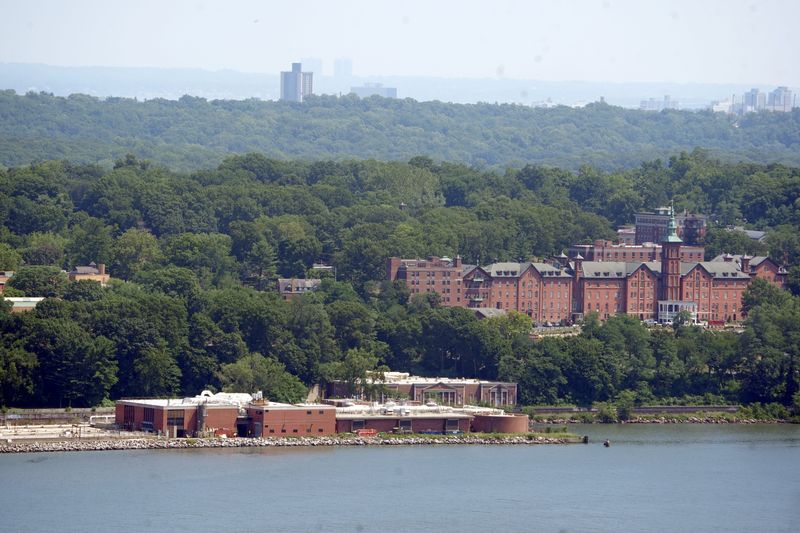
On the cusp of a holiday weekend and in the midst of a punishing heatwave, approximately 39 million gallons of partially treated sewage flowed into the Hudson River.
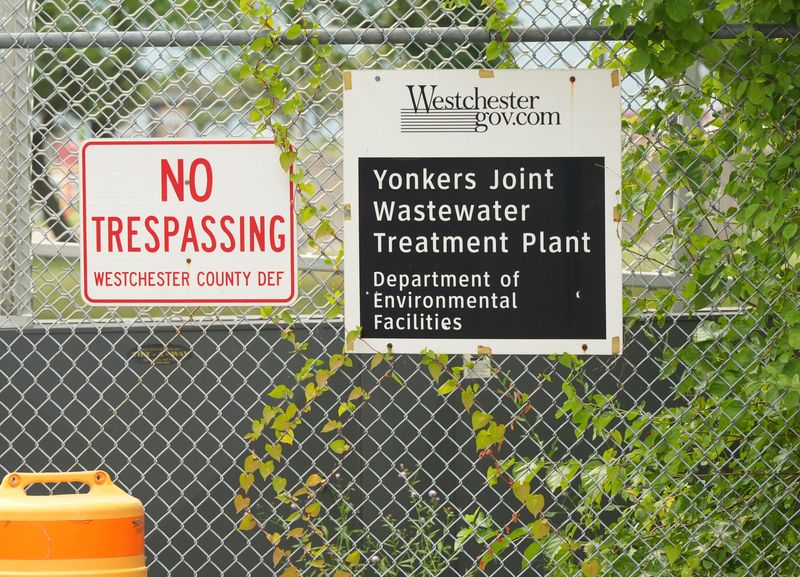
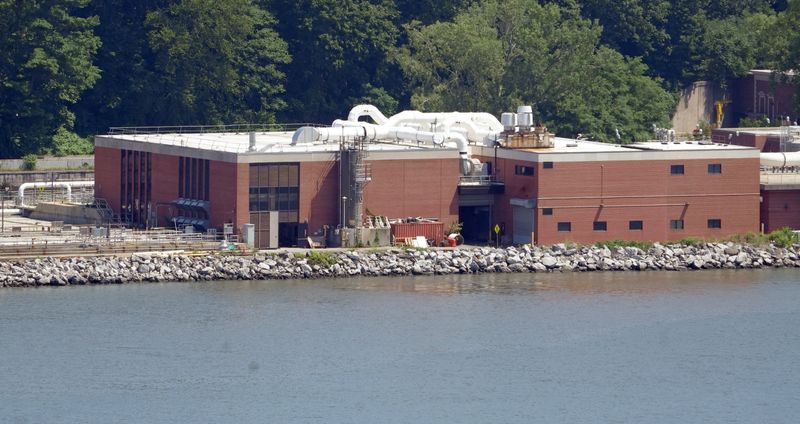
The wastewater spewed from the Yonkers Joint Wastewater Treatment Plant after the facility experienced a power failure late on July 2. The event shuttered beaches, halted recreational use of the Hudson and disrupted community events.

It also sparked a state review of the plant, which resulted in the facility receiving an “unsatisfactory rating,” according to a letter from the Department of Environmental Conservation provided to The Journal News.
Here’s what you need to know about the incident.
What exactly happened at the Yonkers plant? A timeline
The treatment plant in Yonkers went dark for approximately 15 hours between July 2 and July 3. Here is a breakdown of how it happened, according to Westchester County officials:
Nearly three hours later, the plant was fully operational thanks to a combination of both utility power — power supplied by Con Edison — and generator power. By July 6, the plant was once again being fully powered by Con Edison.
A County spokesperson wrote it took hours to restore power because this was the first time “this type of event” had happened at the facility and it needed to be “thoroughly investigated.”
“This is very hazardous work with high voltage equipment and safety is our highest priority,” they wrote.
A state inspection
On July 3, the Department of Environmental Conservation conducted an inspection of the plant and the surrounding muddied waters.
The facility, owned and operated by Westchester County, was ultimately given an “unsatisfactory rating,” according to the letter from the DEC.
The DEC determined the plant had violated the conditions of its state-issued permit, which requires the facility to treat sewage to meet regulatory standards before it is discharged into state waters.
The spill following the outage was labeled an “unpermitted discharge” by the DEC, according to the letter.
The inspection also unveiled “deficiencies” regarding the facility’s emergency power system, “which were unable to maintain normal treatment operations during the event.”
“Therefore, the department requires the facility to evaluate these systems and identify any corrective actions necessary to prevent a recurrence,” the letter states.
In an email to The Journal News, a spokesperson for the county wrote there have been no issues with the plant’s emergency generators in the past.
“This situation never occurred before, but also we never had [Con Edison] dip the power like that before,” they wrote.
A dayslong advisory
While power was out, sewage seeped into the Hudson for 17 hours, according to a state alert system.
“The scale of this discharge is staggering,” wrote Dan Shapely, Riverkeeper’s director of planning and advocacy, in an email to The Journal News. “We should have clean water for recreation, and that takes complete and effective sewage treatment at all times.”
In the aftermath of the plant failure, Westchester County issued an advisory July 3 urging residents to avoid any recreational use of the Hudson River.
Swimming beaches were closed throughout a holiday weekend of level-breaking temperatures. At Yonkers Paddling and Rowing Club (YPRC), community events and paddles on the Hudson were cancelled, said Lee Wordsman, the club’s commodore.
“We want to be consistent with the guidance that the county gives, so that we’re not being a bad example,” said Wordsman. “It’s frustrating because sometimes those announcements happen and there’s not a lot of great follow up from the county that says everything’s good again.”
Ryan Palmer, director of the Center of the Urban River at Beczak at Sarah Lawrence College, said his team tested bacteria levels in the water near the club on July 8. Results showed the area was clear for swimming, according to standards set by the Environmental Protection Agency.
“I do think it’s kind of irresponsible of the county to put out these advisories and then not follow up,” said Palmer.
The county-wide advisory was lifted Tuesday, July 14, after routine testing of county beaches on July 13 revealed the water quality was acceptable, according to a county spokesperson.
As of Thursday July 16, the county has not publicly announced the update.
Wordsman said incidents like the July 3 spill give the Hudson River — a waterway that has undergone decades of environmental restoration — a reputation it does not deserve.
“There’s this stereotype of the river as not being safe, and it’s exacerbated by those events,” he said. “What could be just an unbelievable recreational resource is not really utilized as such, because there is still this continuing concern about water quality.”
This article originally appeared on Rockland/Westchester Journal News: A ‘staggering’ sewage discharge: What happened to the Hudson River?
Reporting by Leia Green, Rockland/Westchester Journal News / Rockland/Westchester Journal News
USA TODAY Network via Reuters Connect
By Leia Green, Rockland/Westchester Journal News | USA TODAY Network