Twenty years ago, Iowa made a bet on wind energy. Farmers signed leases, utilities built transmission, and the building trades learned to raise turbines in winter. That investment now supplies close to 60% of the state’s electricity, and it turns out to be exactly what a new generation of industrial development requires. Electricity rates run below the national average, the trades deliver complicated projects on schedule, and Iowa has hosted one of the world’s largest technology operators since 2007. The state built toward this moment over two decades. Now the work is to keep building.
The task now is to keep the infrastructure boom reinforcing those advantages. Every community considering a data center campus should hold operators to the standards Iowa already set and tested.

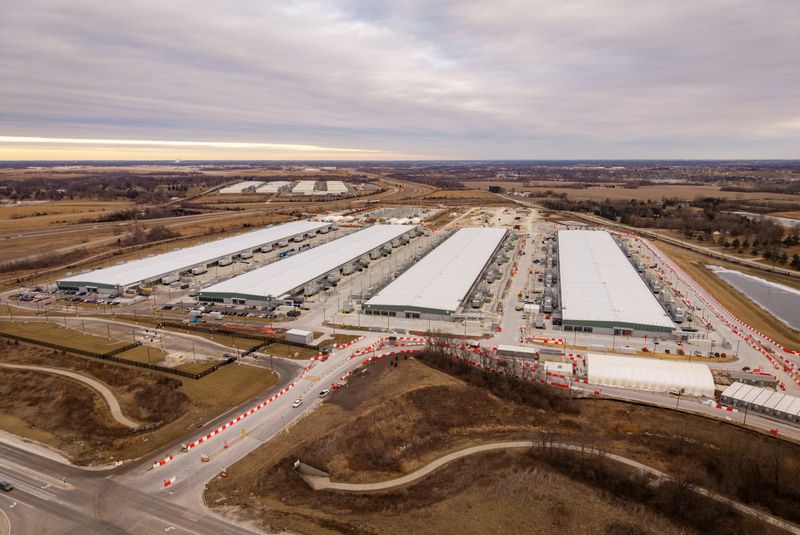
One operator has already invested $6.8 billion into Iowa since its first Council Bluffs data center facility in 2007 and committed another $7 billion over the next two years to expand there and build a Cedar Rapids campus. Two decades of investment from a single partner gives Iowa leverage, because each phase of construction carries workforce, environmental, and ratepayer commitments the state can negotiate and enforce. A state hosting its first project takes what it can get. A state on its fourth campus sets terms. Iowa reached that position by negotiating across several administrations and several economic cycles.
Water is one of the first questions that critics raise, and it deserves honest answers. Communities need clean water sources they can rely upon, and responsible operators plan accordingly. Google’s water risk framework is a solid example that evaluates local geography, energy demand, and proximity to consumers to identify the most effective cooling solution for each campus. Whether that is air cooling, water cooling, refrigerants, or a combination of these systems, the right partner designs data centers in a way that works for everyone. As part of this commitment, Google also committed $1.7 million to support a project with the Great Outdoors Foundation and the Iowa Department of Agriculture and Land Stewardship to help local farmers in western Iowa convert 5,000 acres of agricultural land into perennial hay and pasture systems. This is what holding operators accountable and building long-term partnerships looks like in practice.
Another hot button for Iowans is electricity ratepayer protection. They fear that new industrial demand could push residential bills higher, but Iowa’s rate structure has protected residential customers from rising costs. In Iowa, hyperscale developers pay their own way for electric grid infrastructure and sign long-term agreements that keep costs off existing customers. That design separates Iowa from states where data center growth has landed on household bills.
Iowa’s agreements with incoming operators go beyond utility rates. Workforce development is built into the terms, and the partnership with Iowa’s electrical training Alliance and the Cedar Rapids Electrical Trade Center will train 700 apprentices by 2030 and grow the state’s electrical workforce by 95%. The Cedar Rapids campus alone will employ 1,200 construction workers and more than 100 permanent staff.
The workforce pipeline and the tax base tell the same story. Wind farms are the top taxpayer in a third of Iowa counties, supplying as much as 55% of the property tax revenue that funds local schools, roads, and emergency services. That tax base is part of the same story as the data center build-out. Iowa’s wind farms and data centers draw on the same grid, the same trades, and the same landowners. Communities that protect their wind investment protect their position in the next wave of development too.
The good news is that those communities don’t have to build that framework from scratch. Iowa’s legislators, regulators, and advocates have built a record over 20 years, with the farmers, the trades, and the utilities who made the state ready for this moment. Norwalk and every other Iowa community considering a data center campus inherits that framework. The work now is to defend the terms the state set early and build upon that framework as the build-out grows.
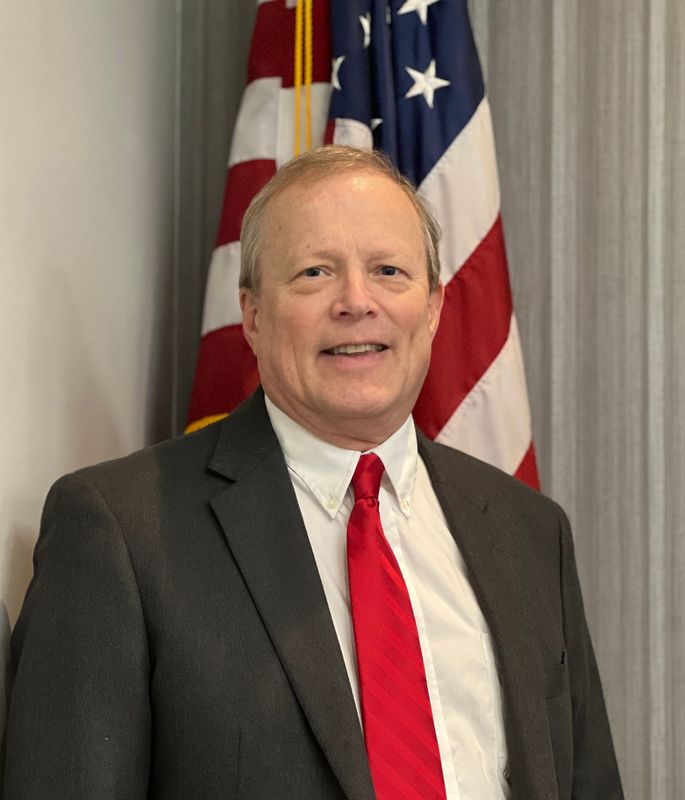
Tom Phillips has served as mayor of Norwalk, Iowa, since 2022, and has led the city through a period of rapid residential and commercial growth, infrastructure expansion, and long-term economic development planning.
This article originally appeared on Des Moines Register: Data centers are the payoff for Iowa’s advantage in energy | Opinion
Reporting by Tom Phillips, Guest columnist / Des Moines Register
USA TODAY Network via Reuters Connect
By Tom Phillips, Guest columnist | USA TODAY Network