Claude Lemieux’s death has prompted several former NHL players to enroll in a study that could help diagnose CTE during life.
Lemieux was found dead early on May 28 in the warehouse of a furniture showroom in Lake Park, according to the Palm Beach County Sheriff’s Office. The office reported the incident as a death by apparent suicide. He was 60 years old.

Lemieux’s family is donating his brain to the Boston University CTE Center for research into the long-term effects of repetitive brain injuries and concussions.
Boynton Beach’s Chris Nowinski, the co-founder and CEO of the concussion and CTE Foundation, not only signed up those former players for the study, but he spoke to Lemieux’s family about their decision.
“Anytime you have a family as respected as the Lemieux family supporting research, it helps raise awareness and educate people about CTE,” Nowinski said. “CTE has been a neglected disease. That’s why we can’t diagnose it in living people. And it will take the sports community’s participation to help us figure out how to diagnose and treat this disease.”
That number of former athletes grew when Lemieux’s contemporaries agreed to help by joining UNITE Brain Bank — of which Nowinski is the co-founder and researcher — at the BU CTE Center.
“I’ve spent the day enrolling former NHL players who’ve reached out over the weekend into those studies so they can help contribute to these advancements,” Nowinski said.
CTE associated with boxing, football, hockey, military veterans
CTE — Chronic Traumatic Encephalopathy — is a progressive, degenerative brain disease found in people who have suffered repeated concussions and traumatic brain injuries. It is most commonly associated with contact sports like boxing, football and hockey as well as military veterans.
Nowinski is recruiting athletes, including former NHL players, at least 40-years-old who have played at least five years of contact sports to bank their blood, take online cognitive tests and donate their brain when they die.
Several prominent athletes have signed up to donate their brain. Among them: soccer stars Abby Wambach, Brandi Chastain and Megan Rapinoe; former NFL players Zach Thomas, Jerome Bettis, Reggie Williams, Eric Winston and Jonathan Martin; and NASCAR legend Dale Earnhardt Jr.
Nowinski said more than 100 brains are donated to the Boston University CT Center every year.
“The reason why this conversation is so important is because this is an entirely preventable disease,” Nowinski said. “And players were not aware of it while they were playing. I think the unfortunate issue is that a lot of athletes still aren’t fully aware of the risk because there’s no sports organizations telling them about this risk.”
When modern CTE discussion started, sports leagues “suddenly claimed that it’s not proven that getting hit in the head can cause this disease,” according to Nowinski.
In 2022, the National Institutes of Health formally acknowledged CTE is caused in part by repeated blows to the head. This year, the National Institutes of Health and the World Health Organization have added CTE to their list of diseases that cause dementia.
“That’s a big advance,” Nowinski said.
Claude Lemieux played 21 seasons in NHL, won 4 Stanley Cups
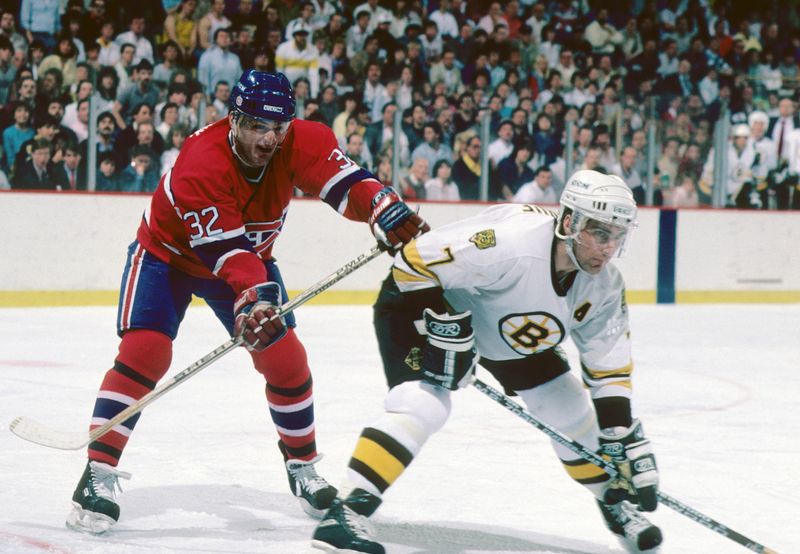
Lemieux played 21 seasons in the NHL. He won the Stanley Cup four times with three teams: Montreal Canadiens, New Jersey Devils, Colorado Avalanche. His family has given the BU CTE Center permission to publish any findings under his name.
Nowinski said those results should come in about 10 months.
“Claude dedicated his post-playing career to helping the next generation,” his family said in a social media post. “By allowing his name to be connected to this research, we hope his life can contribute to greater understanding, more honest conservations, and better protection for athletes and families in the years ahead.”
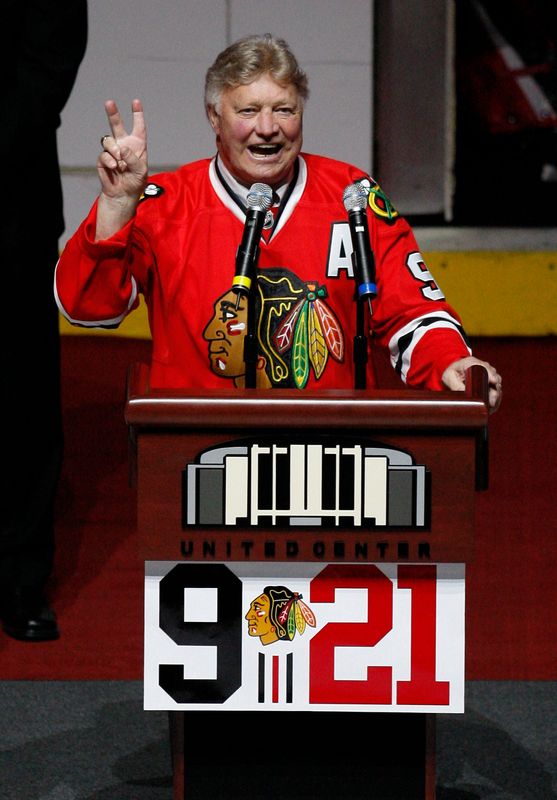
The number of brain donations from hockey players is not as many as those who played football, according to Nowinski, although Lemieux joins a list that includes former NHL stars Bobby Hull, Stan Mikita, Henri Richard, Chris Simon and Bob Probert, whose brains have been studied.
Hull’s wife, Deborah, announced in February 2025 her husband’s stage 2 CTE diagnosis by researchers at the BU CTE Center.
Hull played professionally for 23 years, 15 of those in the NHL. He was 84 when he died in 2023. For about the last decade of his life, he struggled with many of the cognitive symptoms of CTE such as short-term memory loss and impaired judgment.
While Simon and Probert were legendary enforcers, Nowinski said it’s not just players who fought often who suffered from CTE.
“What we think causes CTE is rapid head accelerations,” Nowinski said. “You don’t necessarily have to get hit in the head, but if your brain either stops or starts suddenly it can cause injury.”
“What we don’t sort of see visually with hockey is that players skate faster than athletes run. And the ice and the boards are harder than hitting another person or hitting the turf. The peak forces hockey players experience are larger than just about any other athlete.”
Nowinski says the evidence suggests hockey players were safer playing without helmets. Older players told Nowinski the head was off limits, so there was not as much head trauma. And they could feel the pain. With helmets, the players may not realize the full impact of the trauma.
“When we added helmets, we took away the pain, and everyone thought it was protecting them from brain injury,” Nowinski said, “when it was really just there to protect them from skull fractures.”
To learn more about the BANK CTE study and other opportunities to participate in research go to the Concussion & CTE Foundation.
This article originally appeared on Palm Beach Post: Claude Lemieux’s death fuels CTE research with help from ex-players
Reporting by Tom D’Angelo, Palm Beach Post / Palm Beach Post
USA TODAY Network via Reuters Connect