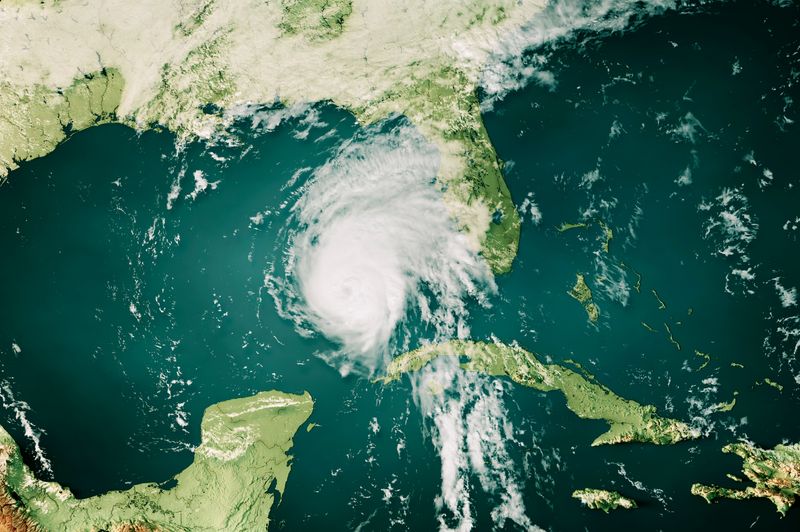
The 2026 Atlantic hurricane season begins on June 1. Will you be ready?
Forecasters aren’t sure what the future holds. In April, an influential hurricane forecast brought a mixed bag of news, as forecasters grappled with unruly climate patterns. The forecast warned of “high levels of uncertainty,” as it predicted a less-than-average number of storms.

But experts say people should prepare for the worst.
Being ready for hurricane season means more than buying a pack of batteries. Here’s a list of less-obvious things you can do before a hurricane hits – the kind of details that really matter in a disaster.
Photograph your home before the storm
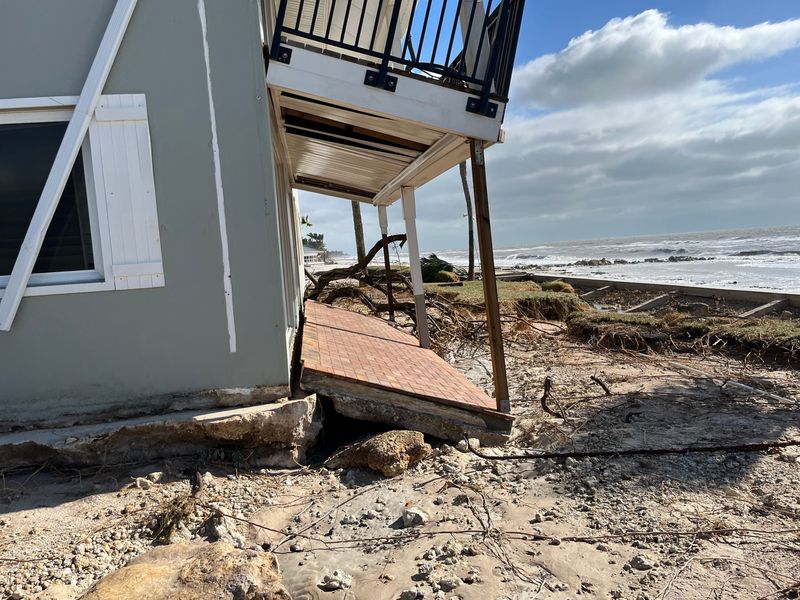
Here’s something you can do right now: The Federal Emergency Management Agency recommends that you take some photos and/or video of your house, roof, windows, appliances and valuables before the storm hits.
FEMA and insurance companies suggest doing this so you have proof of pre-storm conditions if you need to file claims after the storm.
Set up several ways to get weather warnings
Don’t rely just on your phone app to receive weather warnings. Both the National Oceanic and Atmospheric Administration and the National Weather Service recommend at least two independent alert sources – such as Wireless Emergency Alerts plus a battery or hand-crank NOAA weather radio.
Have a plan for pets
Your furry friends need more than food. Both the Centers for Disease Control and FEMA report that some shelters won’t accept animals without proper documentation. Long before a storm threatens, it’s a good idea to prepare crates, vaccination records and identify pet-friendly evacuation options.
Digitally save your documents
Here’s something else you can do anytime: Digitally save your IDs, insurance policies, deeds and prescriptions to secure cloud storage as well as a portable drive or phone. Also be aware that, according to FEMA, the physical original documents are often ruined by flooding, even in homes that survive damage from wind.
With this in mind, if you choose to leave the original documents at home, put them somewhere up high in waterproof bags, not in safes on the floor.
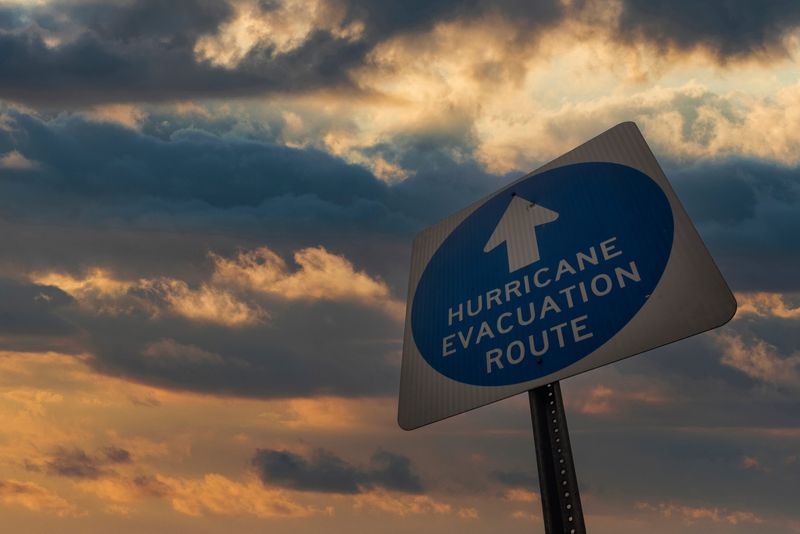
Know your evacuation route
This is good advice for everyone who may be in the path of a hurricane (or its remnants), not just coastal residents. According to NOAA, many hurricane deaths occur inland, because of heavy rain and flooding – not storm surge. Thus, even folks who live far from the coast should become familiar with evacuation routes and flood-prone roads.
Withdraw cash
It’s wise to withdraw some cash before the storm hits. ATMs, card readers and banks sometimes go offline after hurricanes, according to FEMA and the American Red Cross. Both say that small bills can be useful for purchasing gas, food or supplies.
Prepare a hurricane emergency supply kit
Your emergency kit should be prepared well in advance of a storm, so you can easily grab it if you need to evacuate, the National Weather Service said. It should include several days of nonperishable food, water, medications, flashlights, batteries, a battery-powered or hand-crank radio, chargers, and basic hygiene items. Emergency managers say this should be done long before shelves empty or prices spike.
Look over your insurance coverage, especially for flooding
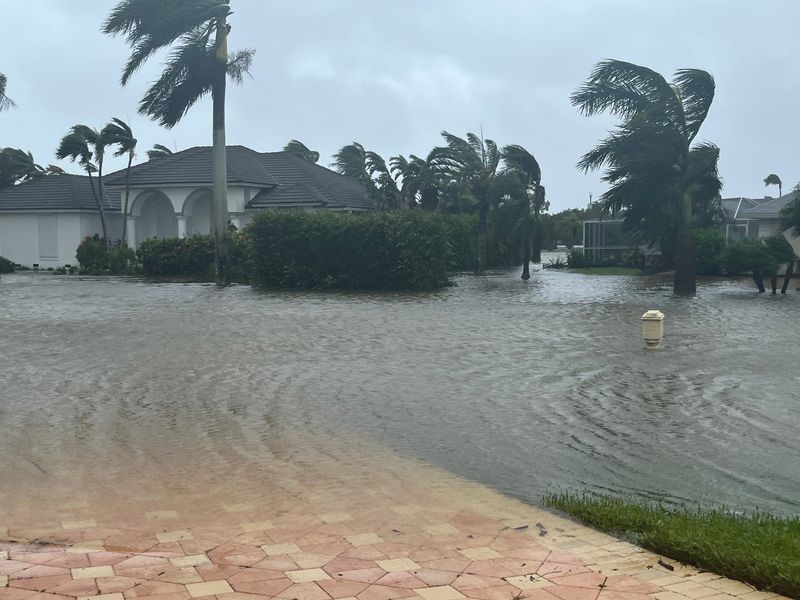
Homeowners and renters policies usually don’t cover flooding. NOAA, FEMA and the Centers for Disease Control and Prevention recommend that folks review coverage now, since flood insurance usually has a 30-day waiting period before the policy kicks in.
Decide in advance what would trigger an evacuation
The National Weather Service and emergency managers strongly recommend “pre-deciding” what forecast or order will actually make you leave your home – rather than debating and deciding what to do under pressure when traffic is bad and gas is scarce.
Prepare your home and yard
The CDC recommends that you trim trees, clear gutters, secure loose outdoor items, check shutters or window coverings and fix roof or drainage issues that could make wind or water damage worse if a hurricane hits.
And one last thing …
Plan for boredom, mental strain
Emergency agencies such as the Red Cross and CDC are beginning to identify mental health as a disaster risk. Extended power outages can mean stress, fear and lack of sleep. In addition to food and water, emergency managers suggest that hurricane preparedness should also include comfort items, games, books, music or kids’ activities.
This article originally appeared on Marco Eagle: Are you ready? Hurricane season begins next week
Reporting by Doyle Rice, USA TODAY / Marco Eagle
USA TODAY Network via Reuters Connect