I recently attended a LGBTQ+ sobriety event where something became painfully clear: Many gay men who lived through the AIDS epidemic are still carrying trauma from those years. The epidemic may be treated by some as history, but for many survivors it remains emotionally present.
The AIDS epidemic was not only a medical crisis. It was a period of mass death, fear, stigma, abandonment, caregiving, grief and survival. Many gay men watched partners, friends, lovers, neighbors and chosen family members die in rapid succession.

Some were diagnosed themselves at a time when HIV was considered a death sentence. Others remained HIV-negative but survived the loss of entire friendship circles. Many carried survivor guilt. Many never had the chance to grieve properly.
This became starkly clear to me at the event I attended, known as a “roundup.” It’s a recovery-focused gathering for LGBTQ+ people, usually centered around 12-step recovery, fellowship, speakers, workshops, meetings and social connection. It gives gay, bisexual, trans, queer and allied people in recovery a place to share honestly, build sober community and feel understood without having to explain the added layers of shame, secrecy, identity, sex, grief or belonging that can come with being LGBTQ+ in recovery.
The research supports what many in the community already know. Studies have documented AIDS-related bereavement, multiple losses, depression, anxiety, social isolation, substance use and PTSD symptoms among people affected by HIV/AIDS and among long-term survivors. Organizations focused on HIV and aging have also noted that older adults with HIV, especially long-term survivors, may experience depression, anxiety, substance use, isolation, cognitive concerns and trauma-related symptoms.
One of the most overlooked wounds is disenfranchised grief. Many gay men lost people they loved, but their relationships were not always recognized by families, hospitals, churches, employers or society. A man could lose his partner and still be treated as if he had no legitimate right to grieve. That kind of loss does not simply disappear.
Today, Palm Springs is home to many older LGBTQ+ people, including men who lived through the worst years of the epidemic. Some are thriving. Some are lonely. Some are sober. Some are still grieving. Some are only now realizing that what they have carried for decades has a name: trauma.
What should be done?
Palm Springs should treat AIDS-era trauma as a current community mental health issue. Local LGBTQ+ support organizations, recovery communities, other HIV service providers, senior programs, therapists, support medical providers and faith or spiritual communities should work together to create trauma-informed support.
That could include AIDS survivor support groups, grief groups, storytelling events, therapist-led workshops, recovery meetings focused on unresolved trauma, intergenerational conversations, and better screening for PTSD, depression, isolation and substance use among older gay men and long-term survivors.
We should also create public rituals of remembrance like the new “Well of Love” memorial being created by the Palm Springs AIDS Memorial Task Force. This memorial will carry three simple messages: Forever Remembered, Forever Loved, and Forever Celebrated. Many men carried grief privately because the world did not know how to honor their losses. It is not too late to honor them now.
The AIDS epidemic did not end emotionally when effective treatment arrived. Many men survived, but survival is not the same as healing. A community that remembers well must also care well. And we cannot forget the lesbian women who made significant contributions during the AIDS crisis through various means, including advocacy, activism and direct care.
Palm Springs has the chance to say something powerful to its older gay men and long-term survivors: We see what you lived through. We honor who you lost. And you do not have to carry it alone anymore.
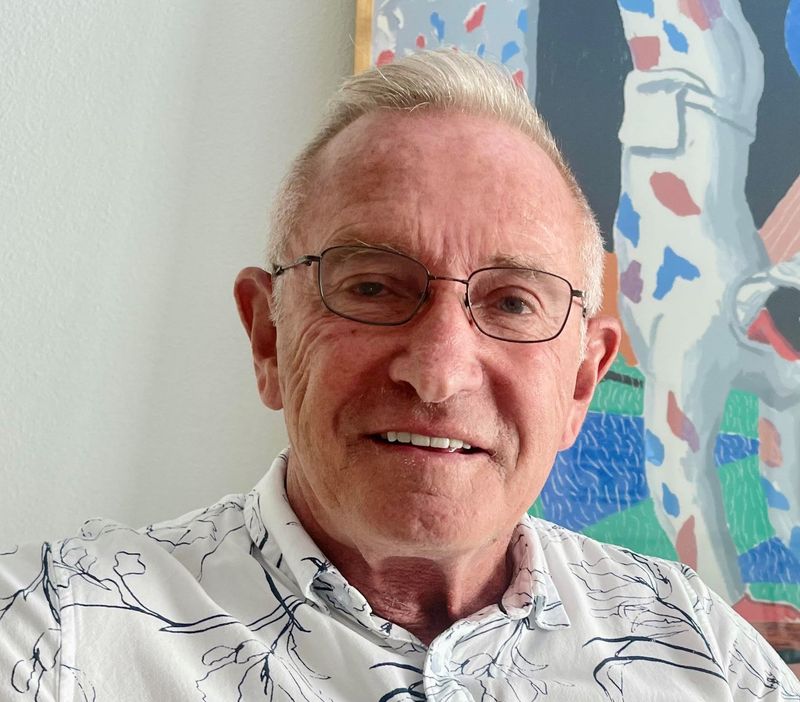
Steve May is an author and retired therapist who lives in Palm Springs.
This article originally appeared on Palm Springs Desert Sun: Palm Springs must do more to recognize toll of AIDS epidemic
Reporting by Steve May, Special to The Desert Sun / Palm Springs Desert Sun
USA TODAY Network via Reuters Connect