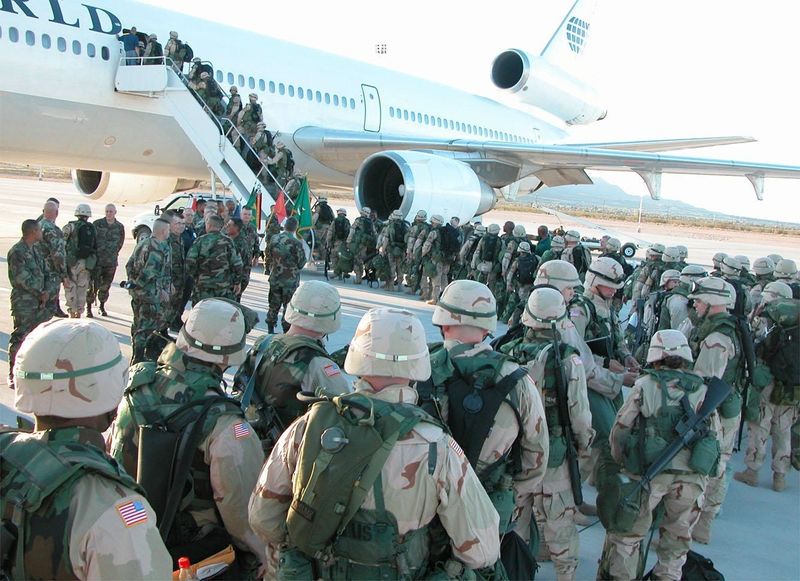
The military strikes by the United States on Iranian nuclear sites and the hardline rhetoric by the White House have precipitated the question from the public whether conscription could be reinstated.
Better known as the military draft, conscription ceased in the United States on June 30, 1973, at the end of the Vietnam War. Yet the recent bombings of Middle East locations on Saturday, June 21, have forced many to ask if the current president and the United States Congress could reinstate it if a full-scale conflict ensued with Iran or their allies.

Who could call for a national draft?
The federal Selective Service System website notes that legislation would need to be passed through the U.S. Congress, amending the Military Selective Service Act, to reinstate a draft.
Military draft age
The Selective Service website explains that currently, all men between 18 and 25 are required to register with the Selective Service System.
The Selective Service Agency states that, should a draft be reinstated, the first to receive induction orders would be those who turn 20 years old during the year of the lottery.
Additional drafts would follow for those turning 21 through 25, then 19 and 18 would occur if additional soldiers were required.
Who would be ineligible for a military draft?
The only exemptions from Selective Service registration are if a man:
High school and college students can ask for service to be postponed while draftees can request hardship deferments.
Ministers, certain elected officials and some dual nationals would be exempt from the draft.
How realistic is a military draft?
According to USMilitary.com, a non-government, privately sponsored website, the likelihood of a military draft remains slim.
“Enforcing mandatory enrollment on potentially unwilling high school seniors faces many obstacles,” the website said. “Convincing the public, the associated costs and the necessary legal work are substantial roadblocks. The process is more complex than in previous draft eras. Requiring high schoolers to register for Selective Service or take the entrance exam is more plausible than forced conscription.”
Public opinion polls by the conservative think tank Rasmussen found that an overwhelming 77% of Americans opposed conscription or were unsure about the policy. Only 23% believed there should be a military draft.
“Realistically, without a drastic shift in national security needs or public opinion, the likelihood of a draft — especially one targeting high school seniors or specific schools — is extremely low. Instead, military leaders are focusing on creating effective career pathways and sharpening recruitment strategies,” the military website said.
This article originally appeared on El Paso Times: What to know about military draft requirements as tensions rise in Middle East
Reporting by Kristian Jaime, El Paso Times / El Paso Times
USA TODAY Network via Reuters Connect