I came to El Paso because of my love for Big Bend National Park. Big Bend helped shape my understanding of why protecting nature matters. The wilderness, the wildlife, and the beauty of the Chihuahuan Desert inspired me to dedicate my life to conservation and environmental education.
For more than two decades, I have worked in the zoo profession because I believed zoos could help people care more deeply about wildlife and the natural world. I still believe that. But I also believe zoos are facing a growing crisis that many communities still do not fully understand.

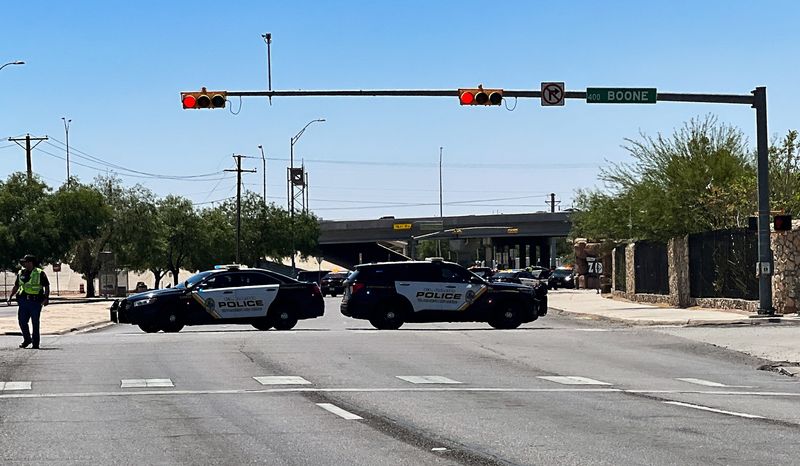
This year we are seeing a nationwide wave of what law enforcement is calling “swatting” and hoax threat incidents targeting zoos across the United States. Many of the threats involve fake bomb reports or false active shooter calls. So far, authorities have not found any credible explosive devices in the major reported cases, but the threats have caused evacuations, closures, fear among visitors and staff, and major disruptions.
What is happening should force us to ask an uncomfortable question: Why are zoos becoming increasingly controversial in modern society?
Over the years, I have become convinced that many zoos are struggling because they are still viewed primarily as recreational attractions instead of wildlife conservation centers. In many cities, zoos are grouped administratively alongside sports fields, recreation centers, museums, and entertainment venues under “quality of life” departments. While recreation is important, conservation is something far bigger and more urgent.
As long as zoos are viewed mainly as places for entertainment with animals in the background, criticism will continue to grow. People today — especially younger generations — are asking difficult questions about animal welfare, ethics, captivity, extinction, and conservation. Some people support sanctuaries over zoos. Others believe zoos no longer belong in modern society at all.
Whether city leaders and zoo professionals agree with those views or not, ignoring them will not make them disappear. If zoos are going to survive and remain relevant, they must evolve.
Visitors should leave a zoo feeling they did more than simply observe animals. They should leave understanding habitat loss, extinction, climate change, biodiversity, and the urgent need to protect wildlife. More importantly, they should feel personally involved in conservation solutions.
People want purpose. They want hope. They want to know their visit mattered. That kind of transformation requires leadership and vision.
Cities with zoos should seriously consider creating dedicated conservation departments — departments focused not only on operating zoos, but also on protecting natural habitats, preserving open space, improving environmental planning, supporting wildlife corridors, restoring wetlands, expanding environmental education, and helping communities reconnect with nature.
As cities continue to grow, too many are destroying the very natural environments that make their regions unique. Across the country, deserts, forests, wetlands, grasslands, and wildlife habitat continue disappearing beneath concrete and development.
Conservation should not be treated as a side issue. It should be part of a city’s long-term vision for its future. A true conservation department could help ensure that zoos evolve into what they were always meant to become — institutions that inspire people to protect life on Earth.
Without that transformation, public criticism of zoos will likely continue growing. More people will support moving animals to sanctuaries. More activists will describe zoos as prisons rather than conservation organizations. Public trust will continue to erode.
Again, violence and threats are unacceptable. But ignoring the changing attitudes surrounding zoos will not solve the problem.
I have visited many zoos across the United States, including some of the most respected institutions in the country, and even the best facilities continue struggling with this challenge. Too often, visitors leave entertained but not transformed. That has to change.
The future of zoos depends on whether they can become institutions that genuinely reconnect people with nature and motivate them to help save wildlife and wild places.
The recent bomb threats are frightening. But perhaps they should also serve as a wake-up call for zoos everywhere.
Rick LoBello has been a conservation educator since 1972. He has served as the education and conservation curator and program manager at the El Paso Zoo and Botanical Gardens since 2002.
This article originally appeared on El Paso Times: OPINION: Why zoos must rethink their future
Reporting by Rick LoBello, Guest columnist / El Paso Times
USA TODAY Network via Reuters Connect