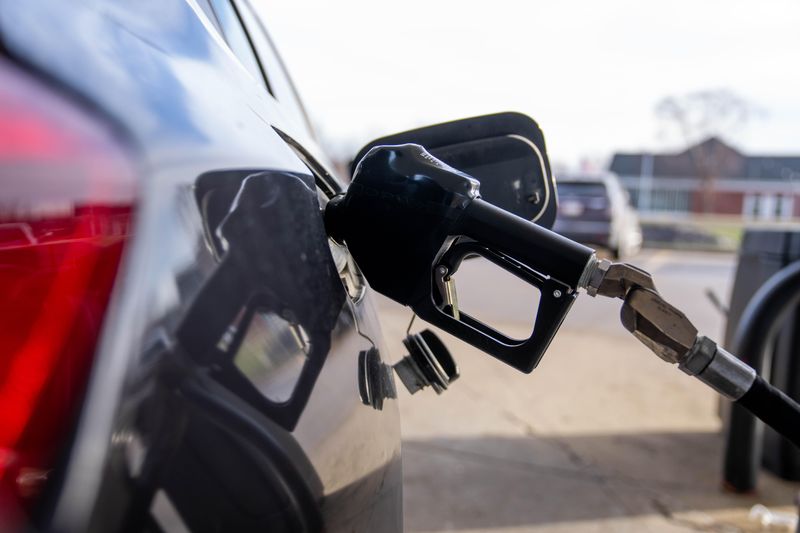
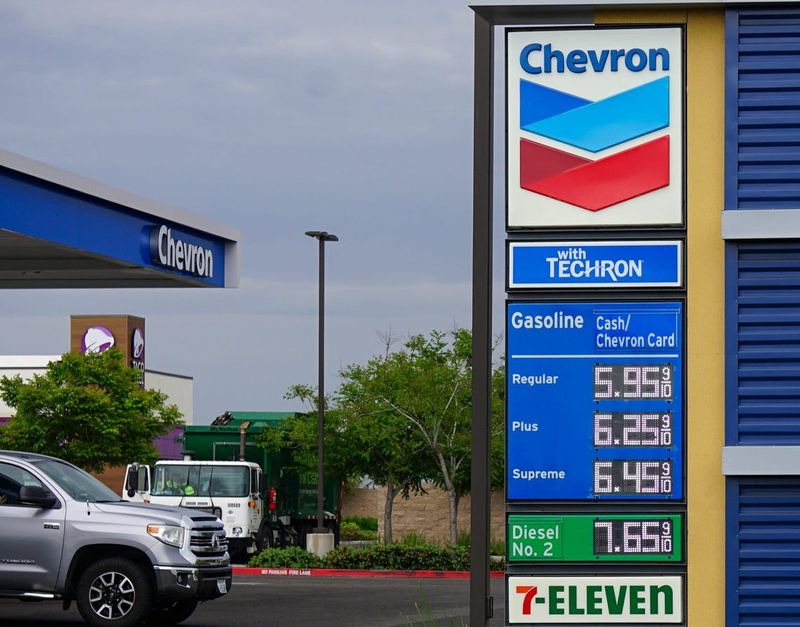
As gas prices rise nationwide, one industry executive warns more increases and physical shortages could be coming soon.
Chevron CEO Mike Wirth said the closure of the Strait of Hormuz could eventually drive up gas prices nationwide, including in Ohio, even though the U.S. is less exposed to disruptions than other regions, Reuters reports. He said consumers could feel the effect through higher gas prices and slower economic growth.

Here’s how that could affect drivers at the pump.
Chevron CEO warns of fuel shortages, price spikes
On May 4, Chevron CEO Mike Wirth warned that the U.S. could face physical gas shortages as supply buffers are used up, according to Reuters. Speaking at a Milken Institute discussion, Wirth said, “We will start to see physical shortages,” adding that “demand needs to move to meet supply.”
Wirth said Asia, which is most dependent on Gulf oil production and refineries, would be hit first, followed by Europe. The U.S. would be less affected initially but not immune, he said. Wirth also compared the potential disruption to the oil crises of the 1970s, which led to fuel rationing and long lines at gas stations.
Reuters adds that rising fuel costs have already had economic impacts, including Spirit Airlines shutting down as jet fuel prices surged.
Gas prices may stay high until 2027
Experts say drivers should expect higher prices at the pump for the foreseeable future.
Rebecca Babin, a senior energy trader at CIBC Private Wealth, told Yahoo Finance that average gasoline prices are likely to remain above $3 a gallon nationwide throughout 2026, even if the Strait of Hormuz fully reopens this summer.
Energy Secretary Chris Wright said that gas prices may not dip below $3 a gallon until next year as Americans head into the summer travel season amid energy price spikes, USA TODAY reports. When asked by CNN’s Jake Tapper on “State of the Union” if it’s “realistic” for Americans to expect gas prices to drop below $3, Wright on April 19 initially said he didn’t know. “That could happen later this year,” he said. “That might not happen until next year. But prices have likely peaked, and they’ll start going down, certainly with a resolution of this conflict.”
Patrick De Haan, head of petroleum analysis at GasBuddy, said the national average could soon reach $4.50 a gallon.
“Oil prices have been climbing again as markets react to renewed geopolitical tensions and the cancellation of talks between the U.S. and Iran,” De Haan said in a late April GasBuddy blog post. “Many inland states—including those in the Great Lakes and Plains—could see average gas prices climb to their highest levels since 2022, while price-cycling markets may also experience another round of hikes in the next few days.”
How high are gas prices in Ohio?
On May 6, the average gas prices in Ohio were $4.81, according to AAA. The national average was $4.54.
Statewide averages included:
The highest recorded average gas prices ever seen in Ohio came in June 2022, where regular gas prices averaged $5.07 and $6.11 for diesel.
Amazon’s gas discount lets Prime members save 20 cents per gallon
Each Friday through May 29, Prime members can save 20 cents per gallon through Amazon’s “Fuel Up Friday” promotion.
Prime members can link their Amazon account to Earnify, a fuel rewards app from BP. The discount can be redeemed by entering a phone number at the pump or using the Earnify app at about 7,500 BP, Amoco, and participating ampm and Thorntons locations.
According to Amazon, the 20-cent-per-gallon offer is valid for one-time use every Friday through May 29. It is available to Prime members who link an active Prime membership to an Earnify account.
What are the cheapest and most expensive days to buy gas in Ohio, Kentucky, Indiana?
Monday is typically the cheapest day to fill up in Ohio and Indiana, according to GasBuddy, although most states see their lowest prices on Sunday, including Kentucky.
In Ohio, gas prices often follow a pattern known as “price cycling,” with prices jumping one day and falling over the next several days, GasBuddy notes. The best savings usually come five to seven days after a spike, when competition pushes prices down. The difference between the highest and lowest prices can be 15 to 45 cents per gallon.
Thursday is the day Ohio, Indiana and Pennsylvania see their highest gas prices for the week, while Wednesday is the most expensive day in Kentucky. According to GOBankingRates, gas prices often spike heading into the high-demand weekend. Prices are generally higher from Wednesday through Friday, with Thursday typically the peak.
This article originally appeared on Cincinnati Enquirer: Will Ohio drivers soon see higher gas prices? CEO warns of shortages
Reporting by Alex Perry, USA TODAY NETWORK / Cincinnati Enquirer
USA TODAY Network via Reuters Connect