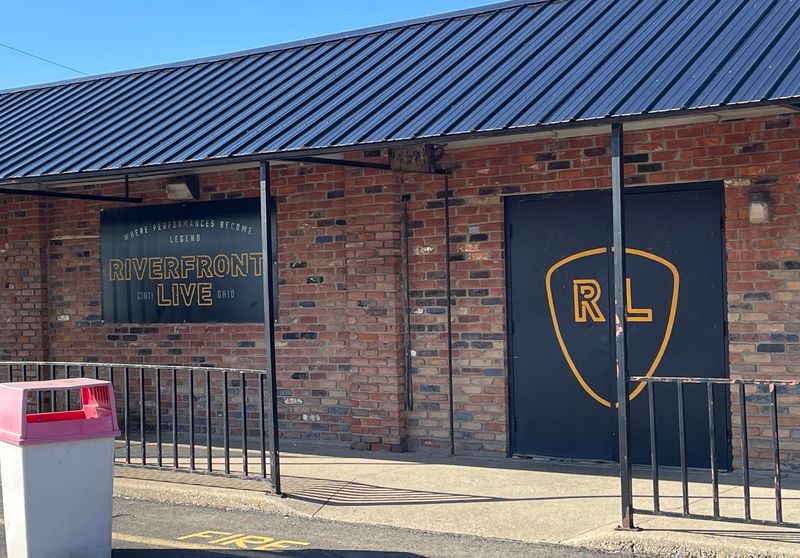
At Riverfront Live, nine people were shot in what investigators now describe as a gunfight between two men inside the venue. The owner publicly stated the event had three layers of security − metal detectors, wands, pat‑downs − along with sworn officers on site.
Still, two firearms entered the building. Both men fired. And walked out.

That fact alone requires a sober reassessment.
Two guns entered despite three layers of security
This was not a spontaneous failure inside the venue. It was a failure at the door. No matter how those “three layers” were designed, staffed, and executed, they did not stop two separate armed individuals from getting inside.
The event owner or promoter controlled those layers − not the police. That distinction matters.
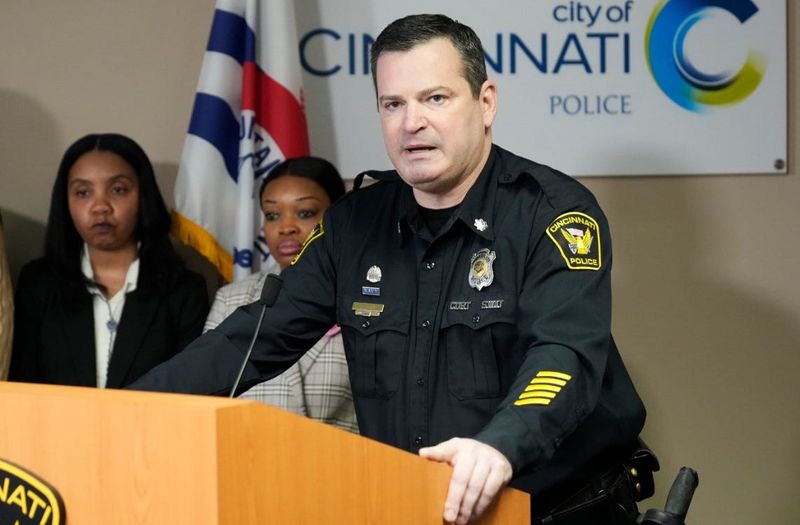
When officers are present at a high‑risk, late‑night event but do not control or oversee the screening architecture, responsibility becomes fragmented. The owner controls the doors. The police absorb the risk once the doors fail. The public, meanwhile, sees officers inside and assumes the most critical function − preventing weapons from entering − is secure.
Riverfront Live demonstrates that assumption is not always warranted.
In 2026, police should not be deployed to high‑risk events unless authority and responsibility are aligned. If officers are going to stand inside the venue, they should have operational control or formal oversight of entry screening, including staffing standards, equipment verification, and enforcement protocols.
Otherwise, they are not preventing violence. They are waiting for it.
Security authority must match responsibility
This is not about blaming officers or attacking a single venue. It is about correcting a structural flaw: private owners or promoters designing and executing security plans while police presence lends credibility to a system they do not control.
The mandate must be simple and non‑negotiable: law enforcement controls the screening architecture. They don’t advise it. They don’t audit it after the fact. They control it — staffing, equipment, enforcement, and accountability.
Anything less, and police presence becomes a symbol rather than a safeguard. Symbols do not stop bullets. As we just saw.
Dennis Doyle lives in Anderson Township and is a member of the Enquirer Board of Contributors.
This article originally appeared on Cincinnati Enquirer: Riverfront Live shooting shows police presence is not enough | Opinion
Reporting by Dennis Doyle, Opinion contributor / Cincinnati Enquirer
USA TODAY Network via Reuters Connect