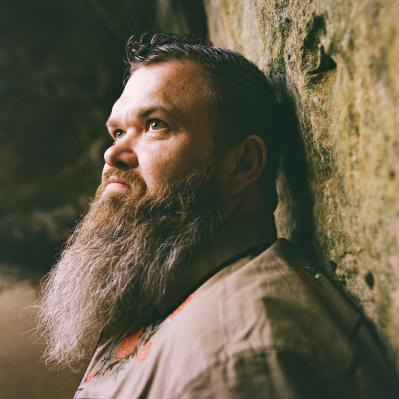
Josh Carpenter is a writer and musician from southeast Ohio. He is working on a memoir about growing up poor, rural and deeply religious in Appalachian America.
My family’s roots run deep in southeast Ohio. I come from a long line of farmers, tradesmen, church folks and coal miners who settled here back in the early 1800s.

I’m blue collar to the core.
I grew up mostly poor, at least compared to my friends and neighbors. But I believed what I was told — that college was the ticket out of the lower-middle-class life I was born into.
Something wasn’t right
At 27, I enrolled at Miami University in Oxford — a public Ivy.
I got a decent scholarship, but still had to take out loans to make it work.
It wasn’t until I was a couple of years in that I started to realize something wasn’t right.
Reading basic textbooks took forever. I’d re-read the same paragraph 10 times and still not understand it. Writing papers was just as hard. I’d either freeze or fake my way through. It wasn’t about effort — I was trying. I just couldn’t keep up. I wasn’t lazy. I was undiagnosed.
Because of that, I couldn’t just work my way through school like some folks can.
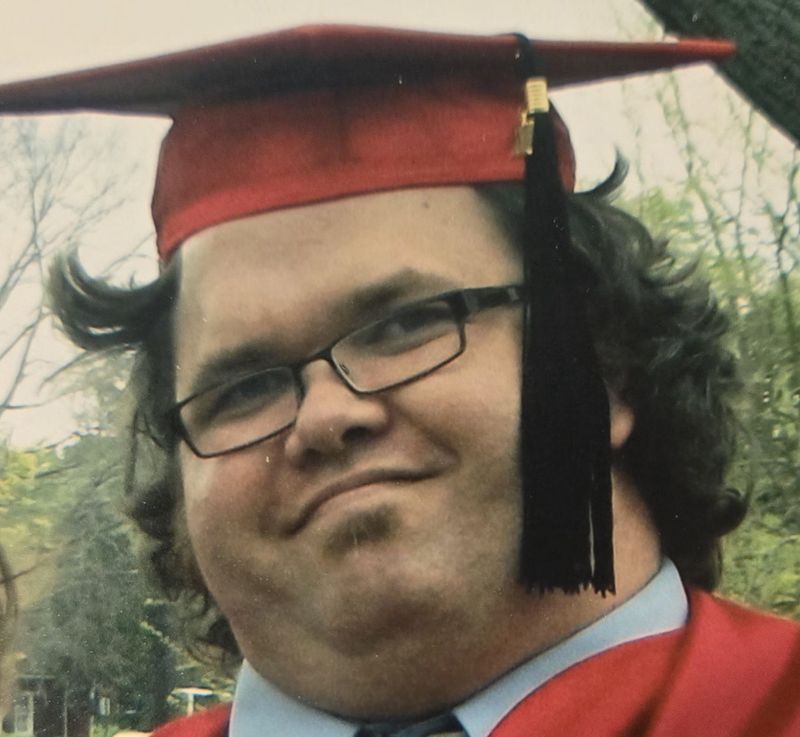
I didn’t have anything left in the tank after studying. My grades tanked. People around me chalked it up to poor discipline or bad choices. But I stuck it out, and in 2011, at 31 years old, I finally graduated with a diagnosed learning disability, a history degree, and just four credits shy of a major in economics.
I bought into the dream
Little did I know that the hard part was yet to come.
I had $88,000 in student debt and no job. I didn’t know anything about internships, or networking, or how to “set myself up for success.”
Nobody in my family had gone to college. I didn’t have the privilege of insider knowledge. I just applied to everything I could find. Online forms. Paper applications. Walking into businesses. Nothing worked. The days turned into weeks, the weeks into years. I’m still struggling to find a job that pays enough to live on 14 years later.
And now I’m hearing that student loan payments are starting back up. They say if you’re not on a payment plan, they’ll garnish your wages.
That’s terrifying.
I already don’t make enough to get by, and now they want what little I have left? It’s like being punished for trying to do the right thing.
But this isn’t just about me. I’m one of millions who bought into the dream — that a degree would lead to stability, maybe even prosperity. We signed on the dotted line, trusted the process, and now we’re stuck with the fallout. It’s not because we’re lazy or entitled. It’s because the system failed to deliver what it promised.
I’ve stopped dreaming about owning a home or taking my kids on vacation. These days, I just hope to stay alive long enough to teach them what I’ve learned the hard way: that nothing is guaranteed. That hard work doesn’t always pay off. That the game is rigged, and the people calling the shots don’t seem to care who gets crushed in the process.
If we want to talk about personal responsibility, fine. But we also need to talk about the systems that profit from working-class hope — and leave folks like me drowning in debt we were never set up to repay.
Josh Carpenter is a writer and musician from southeast Ohio. He is currently working on a memoir about growing up poor, rural and deeply religious in Appalachian America.
This article originally appeared on The Columbus Dispatch: I believed what I was told and was left with $88K debt. I now hope to stay alive | Opinion
Reporting by Josh Carpenter / The Columbus Dispatch
USA TODAY Network via Reuters Connect