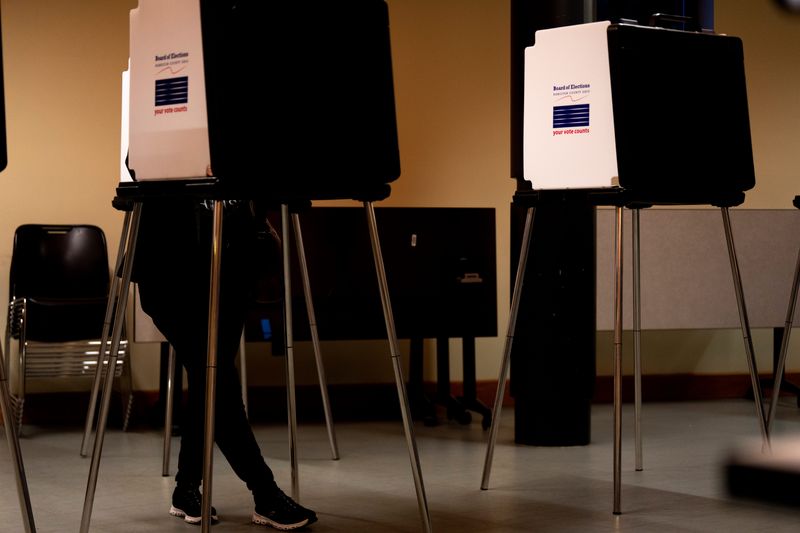
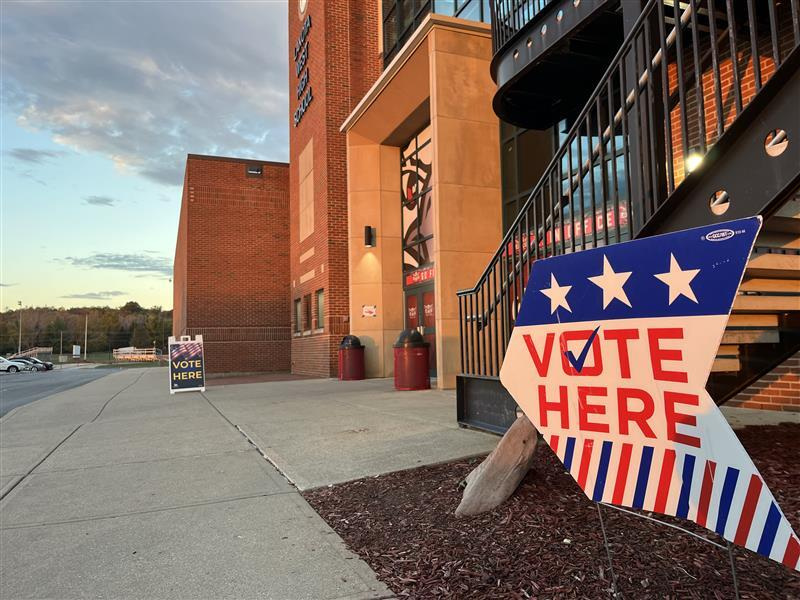
As I headed to the polls to vote in the recent Ohio primary election, I thought about the sacred impact of my voice at the ballot box. It’s been just over 100 years since White women were granted the right to vote, yet barriers to democracy remain widespread. I cast my vote not only for my preferred candidate, but for the millions of Americans whose rights remain at stake.
Voting shapes every other major social justice issue, from health care access to protections for survivors of sexual assault and beyond. A robust democratic society is only possible if every eligible voter can freely and easily cast a ballot.

Reproductive freedom depends on free and fair elections
That truth has become even more urgent as reproductive freedom increasingly hinges on fair and free elections. Since the U.S. Supreme Court overturned Roe v. Wade in 2022, leaving the constitutional right to abortion up to the states, Americans continue to raise their voices and cast their votes for reproductive freedom.
In November 2023, over 2 million Ohioans voted in favor of Issue 1, the Right to Reproductive Freedom amendment, by a 57-43% margin. As a result, the right to contraception and abortion care was enshrined in the Ohio Constitution, effectively voiding the six-week abortion ban pending at the Ohio Supreme Court at the time.
Since that vote, 10 additional states sought to affirm the state right to abortion, with seven successful. Even in some states where the measure failed, including Florida, which was three points short of the 60% threshold, the majority of voters still showed up for reproductive freedom. And they did so by exercising their constitutional freedom to vote.
My family moved from western Massachusetts to Cincinnati in 2024, shortly after the ballot measure went into effect in Ohio. Leaving a state where the right to abortion was the law for several decades, I was reassured to know that my bodily autonomy would not be in jeopardy with my move. Yet I quickly realized this reality is not the case for the majority of those who live near − or far − from my new home.
Interstate 75 runs through six different states, including Ohio, starting at the tip of Florida and ending at the Canadian border past Lake Superior. Cincinnati, more than 1,100 miles from the highway’s starting point near Miami, is the first stop where abortion is constitutionally protected and legal up to 20 weeks.
In all states south of my home, people who can become pregnant face countless barriers to care. Many of those same states also have larger populations of people of color and other marginalized communities, the groups already disproportionately harmed by America’s maternal health crisis and voter suppression efforts.
The U.S. Supreme Court recently overturned Louisiana’s congressional map, ruling it an unconstitutional racial gerrymander under the Fifteenth Amendment. Just as Shelby v. Holder did in 2013, this decision further undermined the protections established in the Voting Rights Act of 1965. The ruling undermines the voting rights of people and communities of color, ultimately eroding racial equality and limiting the ability of people to have a say in the issues that affect their lives.
Another ruling is currently pending that will determine if prescribing mifepristone − one of two drugs used in most medication abortions − will be barred from telehealth services. Decades of scientific data confirm the drug’s safety. Efforts to restrict access are solely aimed at limiting bodily autonomy. The court has extended its deadline multiple times to determine if access to this medication will remain legal, affecting as many as 1 in 4 abortions, including about half for those in states with abortion bans or heavy restrictions.
Just as after the overturning of Roe, we need to be prepared to continue using our vote as our voice on these essential issues.
Every voice must be protected
As a rabbi and the leader of the women’s affiliate of the largest Jewish movement in North America, I know it is my duty to ensure that every voice is heard and every vote counted. Jewish tradition teaches us that the selection of leaders is not a privilege but a collective responsibility.
Passing legislation such as the John R. Lewis Voting Rights Advancement Act and the Freedom to Vote Act would restore critical protections gutted in recent years and strengthen access to the ballot box nationwide.
We must do everything in our power to build a democracy that honors every voice and every vote. Without that freedom, who will speak for us?
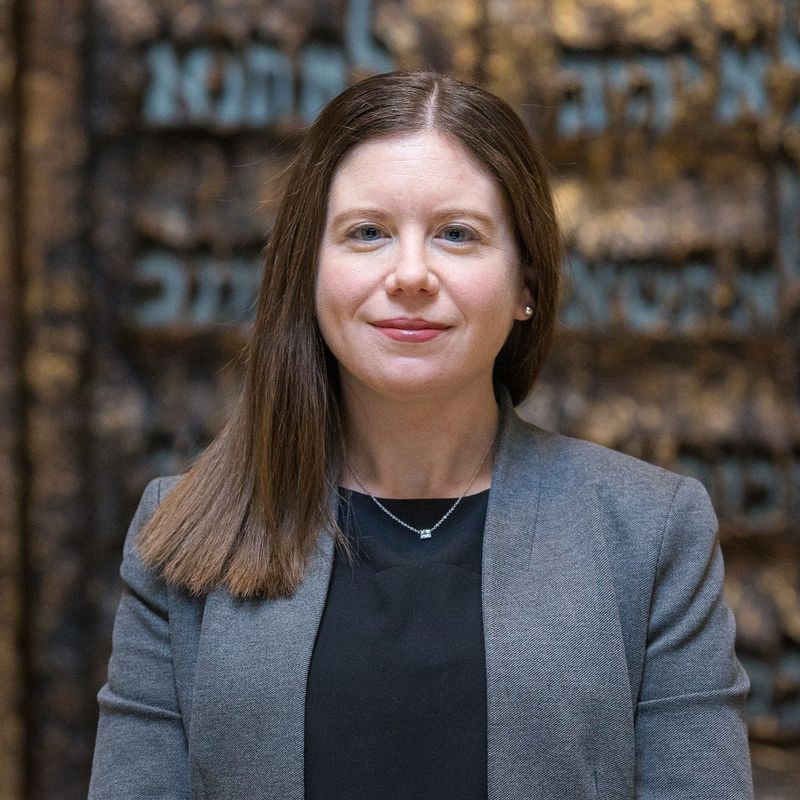
Rabbi Liz P.G. Hirsch is the CEO of Women of Reform Judaism, the women’s affiliate to the largest Jewish movement in North America.
This article originally appeared on Cincinnati Enquirer: Every threat to voting is a threat to our freedom | Opinion
Reporting by Liz Hirsch, Opinion contributor / Cincinnati Enquirer
USA TODAY Network via Reuters Connect