You are what you eat. I’ve heard that phrase my whole life. And for the most part, I thought about it in two different ways. What we eat impacts our physical health and the appearance of our bodies. But I’m beginning to understand more about how it affects how we feel.
In fact, it is a bit of a two-way street. What we eat affects our mental health. Likewise, our mental health status impacts what and how well we eat. The American Psychiatric Association (APA) and the American Society for Nutrition (ASN) have partnered in recent years to study and to educate about the importance of a healthy diet for mental health.

A 2019 review published in The American Journal of Clinical Nutrition found that increased fruit and vegetable consumption positively impacts psychological health. People with clinical depression have reduced symptoms of depression with daily vegetable consumption.
Another study in 2022 looked at the effect of the Mediterranean diet on males ages 18 to 25 with moderate to severe depression. This is based on the eating patterns of people who live in the Mediterranean region and includes fruits, vegetables, fish, whole grains and healthy fats like those in olive oil, nuts and seeds. Those who ate meals focused on these types of foods showed significant improvements in depressive symptoms.
Another type of diet is called MIND and stands for Mediterranean-DASH intervention for neurodegenerative delay. It is a mix of the Mediterranean diet with the DASH diet, which stands for dietary approaches to stop hypertension. The foods essential to eat include berries, beans, fish, nuts, olive oil, dark green leafy vegetables and lean poultry. According to Liz Weinandy, registered dietitian at Ohio State Wexner Medical Center, these anti-inflammatory foods have been associated with improved brain function and slower cognitive decline.
Stacy Philips of Clemson University recently published an article about the nutrients that support mental wellness. Some key nutrients she identifies are omega-3 fatty acids, B vitamins, zinc, magnesium, Vitamin D, probiotics and prebiotics. Food sources rich in these nutrients include salmon, sardines, leafy greens, eggs, beans, walnuts, almonds, pecans, yogurt and fiber-rich foods.
Philips offers some practical nutrition tips for mental wellness. One is to start your day with a balanced breakfast. This could include eggs and a yogurt parfait with berries and nuts or seeds. She also encourages us to limit eating processed foods. Chips, packaged pastries and fast food usually lack fiber and nutrients and are high in calories and unhealthy fats.
Research is increasing about the connection between our gut and our minds, specifically the influence of our gut microbiome. The Human Microbiome Project was an initiative directed by the National Institutes of Health from 2007 to 2016. This project found there are roughly 100 trillion microbes in a person’s gut representing as many as 5,000 different species and weighing approximately 4 pounds.
The microorganisms in your gut influence your immune system. They also interact with network formed by the glands that secrete hormones, called the hypothalamic-pituitary-adrenal (HPA) axis. The HPA axis controls stress responses, mainly by secreting the stress hormone cortisol. They also influence the vagus nerve, which is a web of neurons that lines the gut and communicates with your brain.
There is still so much to learn about these connections between our gut and our minds. Why not try it for yourself this week. How do you feel when you eat these recommended whole foods compared to processed foods?
Today, I’ll leave you with this quote from Walt Disney: “I always like to look on the optimistic side of life, but I am realistic enough to know that life is a complex matter.”
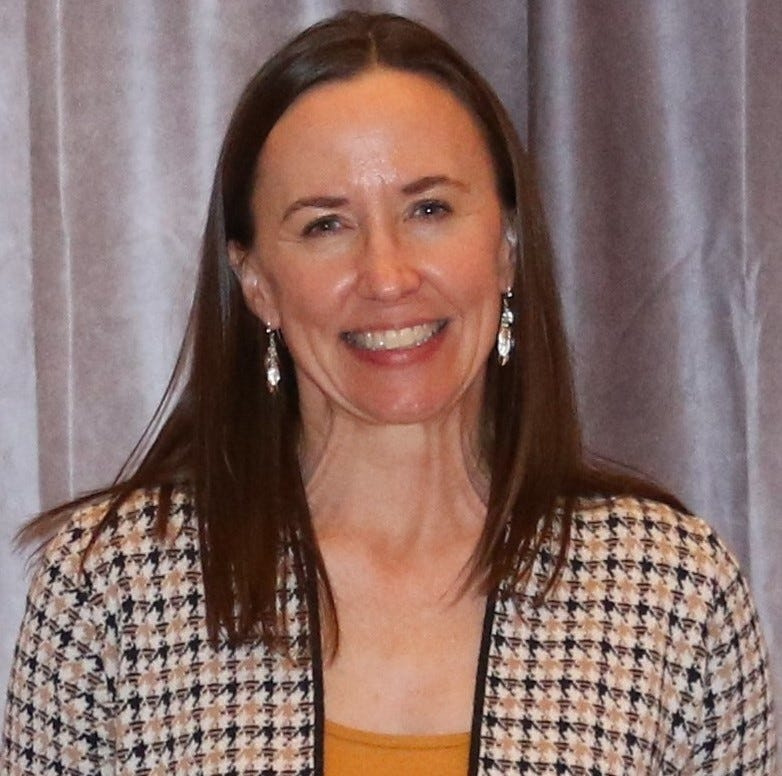
Emily Marrison is an Assistant Professor, Family and Consumer Sciences for Ohio State University Extension in Coshocton County. She may be reached at 740-622-2265 or marrison.12@osu.edu.
This article originally appeared on Coshocton Tribune: Emily Marrison explains the connection between food and your mood
Reporting by Emily Marrison, Special to the Tribune / Coshocton Tribune
USA TODAY Network via Reuters Connect
By Emily Marrison, Special to the Tribune | USA TODAY Network