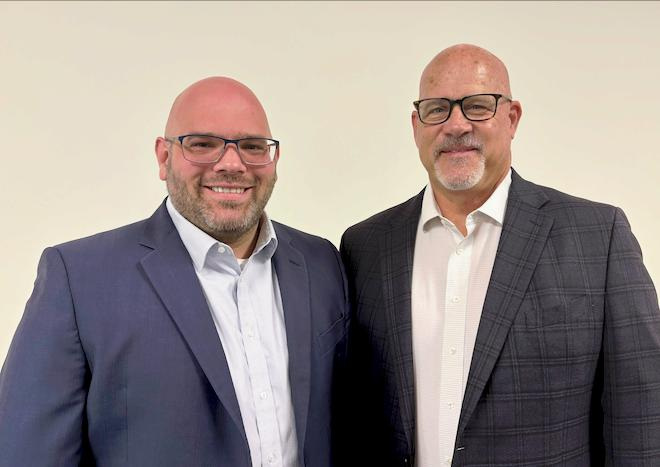
Every week, Allworth Financial’s Steve Hruby, CFP, and Bob Sponseller, ChFC, answer your questions. If you, a friend, or someone in your family has a money issue or problem, feel free to send those questions to yourmoney@enquirer.com.

Sarah in Clermont County: I just turned 60 and plan on contributing the extra $11,250 to my 401(k) that I’m allowed. But does doing this make sense even if I plan to retire in a few years?
Answer: It might seem like a short runway, but a few years of larger contributions can still make a meaningful difference.
But first, let’s back up a moment so we’re all on the same page. The standard 401(k) contribution limit for 2025 is $23,500. Anyone 50 or older can currently contribute an extra $7,500 on top of this, which is known as a “catch-up contribution.”
And thanks to the SECURE 2.0 Act, if you’re between the ages of 60-63 (as of December 31), that catch-up contribution threshold jumps up to $11,250. Take advantage of this super catch-up contribution for just three years, and that’s more than $33,000 in additional retirement savings above and beyond your standard contributions, not including any investment growth. That’s not nothing.
The real question is: what’s the best use of those contributions in the time you have? If you’re planning to retire at 63 or so, these extra dollars could provide more breathing room in early retirement, especially if you’re trying to delay Social Security or avoid tapping into investments too soon. And if you contribute to a Roth 401(k), that money grows tax-free and can be a great bucket to draw from later, especially in years when you want to manage your taxable income.
On the other hand, if cash flow is tight or you’re already ahead on your savings goals, it might make sense to prioritize flexibility instead. But if you have the room, using this short window to maximize tax-advantaged savings is more than likely a smart way to finish strong.
Here’s the Allworth Advice: As always, the best move depends on your bigger picture, such as income needs, taxes, other investments, lifestyle plans and more. The good news is that, according to CNBC, most retirement plans have added this super catch-up contribution feature, though not all. If you decide to follow through, be sure to check that your plan administrator is set up for this. Otherwise, your catch-up contributions will automatically stop once you hit $7,500.
Gene from Burlington: I have a gold ETF, and a friend said that it gets taxed at a higher rate. This can’t possibly be true, can it?
Answer: As we like to remind readers from time to time, we are not accountants or CPAs. But yes, this can be true. The IRS considers physical gold to be a “collectible,” meaning long-term capital gains are taxed at a rate of 28%, higher than the top long-term rate on stock gains (20%).
And this higher rate doesn’t just apply to physical gold. It even holds true for gold ETFs (exchange-traded funds) that are structured as trusts and backed by physical gold. This includes popular gold funds such as SPDR Gold Shares, iShares Gold Trust, and abrdn’s Physical Gold Shares ETF. In the eyes of the IRS, if you own one of these, you basically own physical gold.
However, not all gold ETFs work like this. So, here’s the Allworth Advice: If you want to own gold in an ETF but don’t want to be subject to the higher capital gains tax, it’s typically better to look for funds that don’t directly invest in the metal (and instead invest in gold mining or futures) or that aren’t structured as trusts. Just be sure you clearly understand what you’re buying and that it makes sense within your overall financial strategy. Be sure to reach out to a trusted tax professional if you have additional questions.
Responses are for informational purposes only and individuals should consider whether any general recommendation in these responses are suitable for their particular circumstances based on investment objectives, financial situation and needs. To the extent that a reader has any questions regarding the applicability of any specific issue discussed above to his/her individual situation, he/she is encouraged to consult with the professional advisor of his/her choosing, including a tax advisor and/or attorney. Retirement planning services offered throughAllworth Financial a SEC Registered Investment Advisor. Securities offered through AW Securities, a Registered Broker/Dealer, member FINRA/SIPC. Visit allworthfinancial.com or call (513) 469-7500.
This article originally appeared on Cincinnati Enquirer: Allworth Advice | Are ‘super catch-up contributions’ worth it?
Reporting by Steve Hruby and Bob Sponseller / Cincinnati Enquirer
USA TODAY Network via Reuters Connect