Ames filmmaker Eric Smidt is returning to the Interrobang Film Festival with a new short documentary that connects local innovation to a growing national conversation.
“Urban Mining” will screen at 4 p.m. Saturday, June 27, at the Des Moines Public Library during the film showcase, which runs alongside the Des Moines Arts Festival.

‘Urban Mining’ is a local story with national relevance
The 23‑minute film explores how discarded electronics can become a domestic source of rare earth elements. Smidt produced the documentary through the Ames Regional Economic Alliance, where he serves as vice president of marketing and communications.
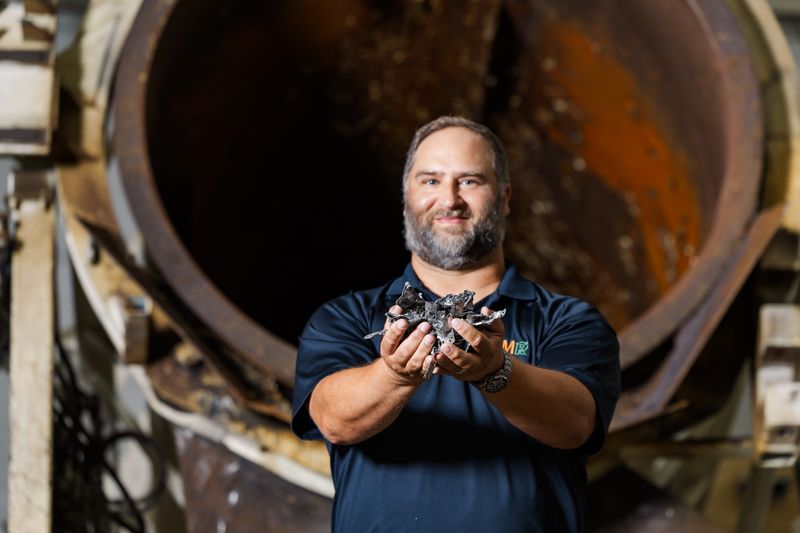
The project highlights the work of Critical Materials Recycling in Boone and its collaboration with Ames National Laboratory.
Smidt said the idea grew out of his day‑to‑day work, where he first learned about the organization’s efforts to recover valuable materials from electronic waste.
Building ‘Urban Mining’ piece by piece
Smidt’s newest documentary focuses on a topic that has become increasingly urgent — how the United States can strengthen its supply chain for rare earth elements and other critical materials.
These elements are essential for advanced technology, clean energy systems and national defense, yet the country relies heavily on foreign sources, like China.
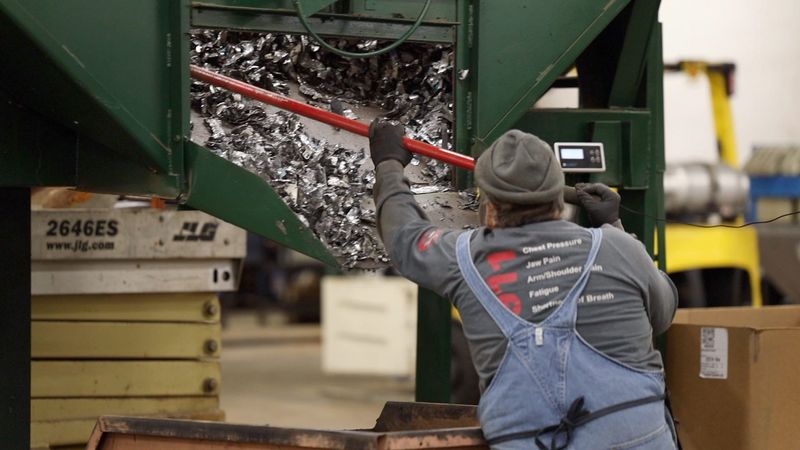
“Urban Mining” highlights a different path. The film follows Critical Materials Recycling in Boone, a company that recovers valuable elements from discarded electronics.
Smidt pairs that story with research at Ames National Laboratory, which has long been a national leader in critical materials science.
As he began shaping the project, Smidt said he was struck by how much of this global issue is unfolding in central Iowa.
“It’s interesting that this conversation is taking place here in Ames and Boone,” he said. “They’re contributing to a statewide conversation and a national conversation as well.”
‘Urban Mining’ is a local lens on a national challenge
The documentary explains how “urban mining” — extracting rare earth elements from electronic waste such as phones and computers — can help reduce dependence on overseas mining operations. Smidt said that as he edited the film, he noticed the topic appearing repeatedly in national news coverage. That reinforced his sense that Iowa’s role in the issue is both timely and underrecognized.
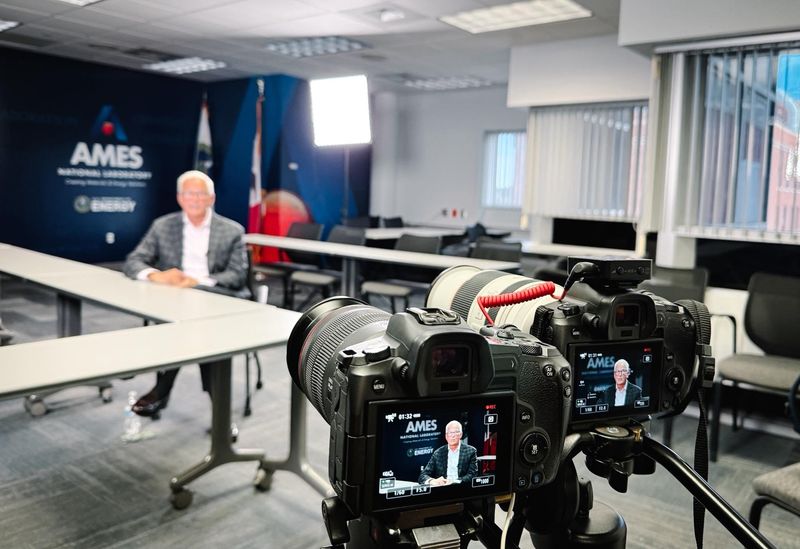
The film also features Iowa Economic Development Authority Director Debi Durham, who provides statewide context. Her interview helps connect the work happening in Ames and Boone to broader economic and strategic goals. Smidt said her perspective helped “weave the entire story together.”
The project has already reached beyond Iowa. Durham shared the film with a major global tech company, helping connect Critical Materials Recycling with new partners.
Smidt is a filmmaker with a growing body of work
Smidt’s newest documentary continues a familiar pattern, featuring stories that begin close to home but reveal a wider appeal.
His 2024 documentary, “Light Painter,” profiled the talents of nationally recognized Ames photographer Dan McClanahan and won Best Documentary Short at the Interrobang Film Festival.
Smidt has also directed “To Memphis and Back” and “Amazing Grace Lemonade Race,” both centered on Iowa subjects and recognized on the festival circuit.
His work often blends artistic storytelling with a sense of place, highlighting the creative and economic energy of central Iowa.
Smidt hopes to schedule a local showing of “Urban Mining,” possibly through KHOI or the Ames Public Library. He also expects it to be included in the Ames Documentary Film Festival, a one‑day celebration of nonfiction storytelling on Sept. 27.
Ronna Faaborg covers business and the arts for the Ames Tribune. Reach her at rfaaborg@usatodayco.com.
This article originally appeared on Ames Tribune: Iowa filmmaker highlights critical material mining in Boone, Ames Lab
Reporting by Ronna Faaborg, Ames Tribune / Ames Tribune
USA TODAY Network via Reuters Connect
By Ronna Faaborg, Ames Tribune | USA TODAY Network