SOUTH BEND — The city has “an extensive history of discrimination against its Black citizens,” the South Bend Reparatory Justice Commission found, according to its report, filed recently in the city clerk’s office.
The systematic denial of equal access in several key areas “caused poorer economic and health outcomes” for Black residents, according to the report.

The South Bend Common Council formed the commission in September 2023, giving its members the task of studying long-term effects of racism in the city and recommending policies to address them, Tribune previously repored.
The city declined to comment on the report, citing the fact it hasn’t been finalized by the commission or Common Council, despite it being filed in the city clerk’s office on May 4.
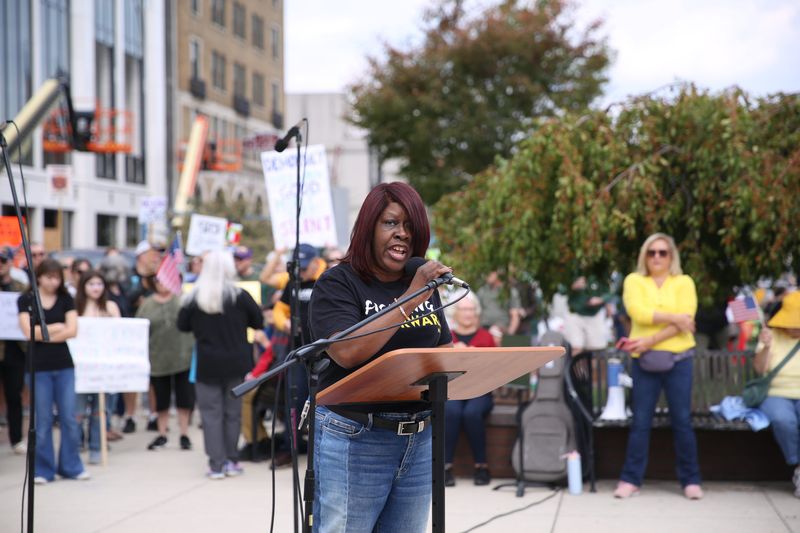
Reparatory Justice Commission Chair Trina Robinson said the report was mistakenly posted by students who work on the commission’s website, and it has yet to receive finalization because the commission is being cautious that no litigation can occur against the group following its release.
“There have been reparatory commissions that have been in other states, and they have faced litigation,” Robinson said. “We want to make sure that what we’re doing is something that is not going to be challenged because of the climate we’re currently in with [Diversity, Equity and Inclusion] and everything being stripped.”
The report has since been taken off the website, but for people like Black Lives Matter South Bend co-founder Jorden Giger, who read the findings before it was taken down, it confirmed something South Bend’s Black community has known for a long time.
“Nothing in the report was truly surprising to me,” Giger said. “It’s very clear that there’s a pattern and practice of discrimination at all levels of government, but the city aided and abetted discriminatory practices in a lot of ways, especially as it relates to LaSalle Park.”
LaSalle Park Neighborhood
The commission found that LaSalle Park Neighborhood has the lowest life expectancy in St. Joseph County, and several residents have raised concerns that many older people have died and continue to die from cancer and other diseases at significantly higher rates than other areas.
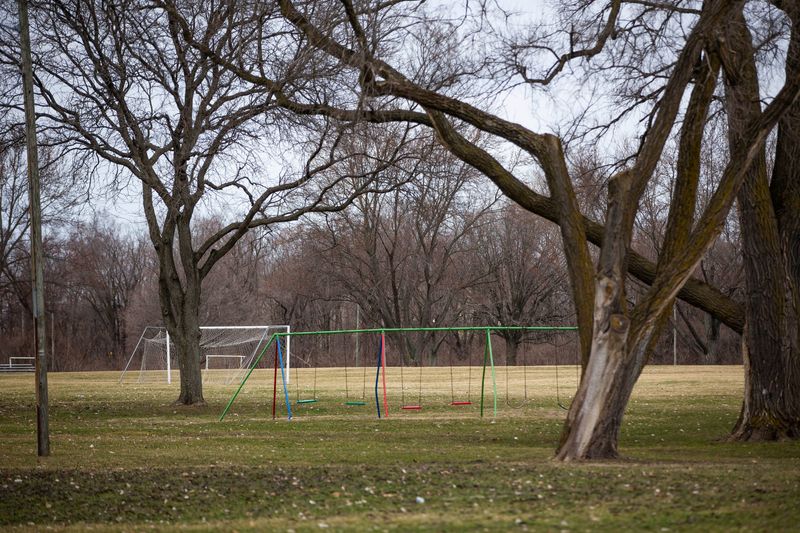
LaSalle Park is home to Beck’s Lake, otherwise known as “The Lake,” and also the lot where Bendix Corporation, now named Honeywell International, dumped toxic waste for decades.
“My great-grandfather moved to LaSalle Park Neighborhood in the early 1940s as well as my great-uncle,” Giger said. “They came from the South, moved to South Bend for jobs to take part in that wartime economy.
“They died from cancers.”
Though LaSalle Park and Beck’s Lake may look undisturbed, lying underneath the surface is years of waste covered in soil. The Environmental Protection Agency has been testing the soil and water in LaSalle Park since 1984, and Giger said arsenic and lead as well as other cancer-causing agents such as benzo[a]pyrene, a highly toxic carcinogen, have been found.
Known as the Beck Lake’s Superfund site, the park was added to the EPA’s National Priorities List in 2013 after excessive arsenic was found in the soil, The Tribune previously reported.
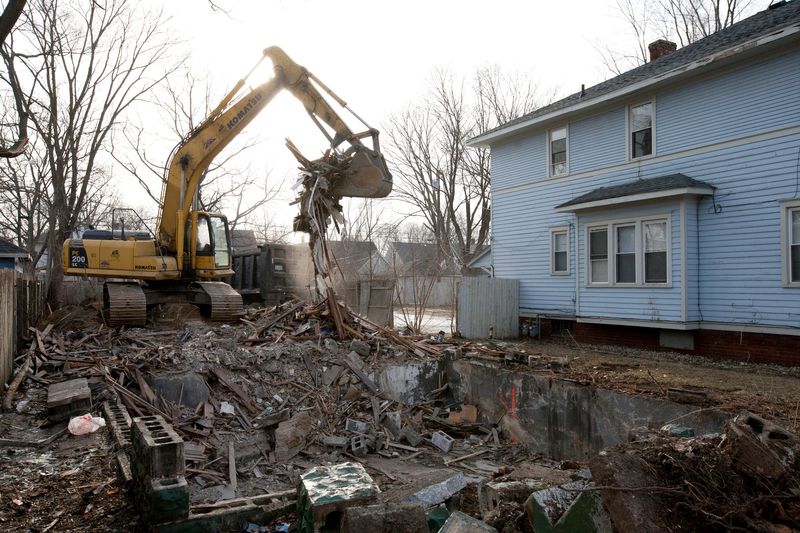
Also in 2013, then-Mayor Pete Buttigeig called for 1,000 abandoned houses to be demolished in 1,000 days, many of which sat on the Northwest side of town in or near LaSalle Park. Issues arose when neighbors complained that contractors hired by the city were not conscious of contaminants being released when houses were demolished, Giger said.
“They didn’t really abate the issues as well as they should have,” Giger said. “As they were tearing through homes, asbestos and lead-based contaminants [and] debris were circulating in the area.”
Beyond environmental issues, Giger said, LaSalle Park has also endured issues of lack of affordable housing and poor infrastructure.
Empty and overgrown lots of land show what once existed on the west side but fell into disrepair. The Reparatory Commission’s report said a simple drive through the west side of South Bend shows a lack of neighborhood investment.
The city has made somewhat of an effort to build affordable housing in the neighborhood, Giger said, but there’s no evidence or record of those homes going to Black families.
“There’s a lot of information we really need the city to share, disclose or start to collect,” Giger said. “We’re arguing that it doesn’t even have to be a race-based response. If you know the particular neighborhoods and census tracts that have been most affected, then help the folks who live in those geographical areas.”
What’s next
BLM South Bend began having conversations with the mayor’s office, more specifically newly appointed Executive Director of Community Investment Darryl Scott, in October with the residents of LaSalle Park about the report, Giger said. However, since January, he said, it’s been radio silence.
Giger said BLM South Bend just wants the report to be taken seriously and for real remedies to be put in place to address these issues. The commission also made recommendations to the city in the report, including doing a comprehensive health study of LaSalle Park residents and their families as well as increased testing of the area.
BLM South Bend called for three specific remedies in an email sent to supporters and local media:
The group also announced a public meeting at 6:30 p.m. Tuesday, May 12, at the Charles Black Center, 3419 W. Washington St., to discuss the findings and recommendations in the report.
Robinson, as the chair of the commission, said if everything goes to plan, the report will be finalized and shared with the public by June, after discussion with lawyers and the Common Council.
However, one Common Council member said he doesn’t see the point of retracting the report because “once it’s filed, it’s public information,” citing Indiana open records law. Council member Oliver Davis didn’t receive the report despite being told that council President Canneth Lee sent it out to all council members, he said. Instead he asked the clerk’s office for it, which anyone can do.
All it took was one phone call to get his hands on the report to send it to Giger, who reached out a few days before asking if the report had been filed.
“I knew people were looking for it, and so I sent it out,” Davis said. “If they did not want everybody to have the information, then don’t send it to the clerk. Don’t file it. … We need to give it out to the public, and the public should have a right to dissect it then. Not in June, not in July, not in August, [but] the day it was filed.”
Email South Bend Tribune business reporter Jessica Velez at jvelez@usatodayco.com.
This article originally appeared on South Bend Tribune: Withdrawn report says Black South Bend residents suffer worse outcomes
Reporting by Jessica Velez, South Bend Tribune / South Bend Tribune
USA TODAY Network via Reuters Connect