Hoosiers have cornered the market on humility. We have at the ready our melancholy-but-polite smile when people talk of our state as if every foot is covered in corn (though we do love corn). We do not boast of our seashore like Californians and Floridians or our mountain views like Coloradans because, well, we just can’t. And only recently have we inched up the “annoying sports fan” scale thanks to Indiana University’s national championship and the acquisition of hoops powerhouse Caitlin Clark.
But let’s be clear: Indiana can brag about quite a lot. We are considered the “mother of vice presidents,” the inventor of the key juice in the brunch-friendly Bloody Mary, an innovator in auto safety and an early champion of the pre-sliced spongy white bread that saves hungry people precious seconds.

In other words, Hoosiers have kept busy. And so maybe, in this year that celebrates the U.S.’s semiquincentennial birthday, we should stand up, grab a megaphone and shout our achievements widely. In that vein, we present this list of Indiana’s contributions to music, art, snacks, authors, science, beauty, fashion, literature and more. So much more, in fact, that listing all of it is downright impossible in the allotted space. So consider this a mere sample of all Indiana has given our nation over the past 250 years.
Racing
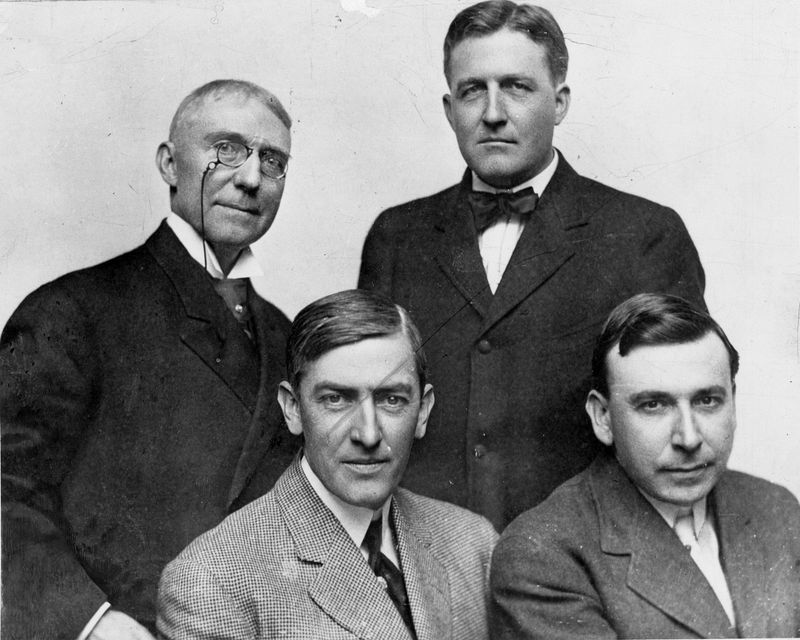
Thanks to Indiana’s role as a hub of early car manufacturing, four entrepreneurs came together in 1909 to build Indianapolis Motor Speedway — a testing facility that quickly became the world-famous track. Since 1911, the Indianapolis 500 stands have packed fans from all walks of life, including famed late-night TV host David Letterman (Indianapolis). The race also has played host to a variety of innovations, including the rearview mirror, hydraulic brakes and front-wheel drive.
Basketball
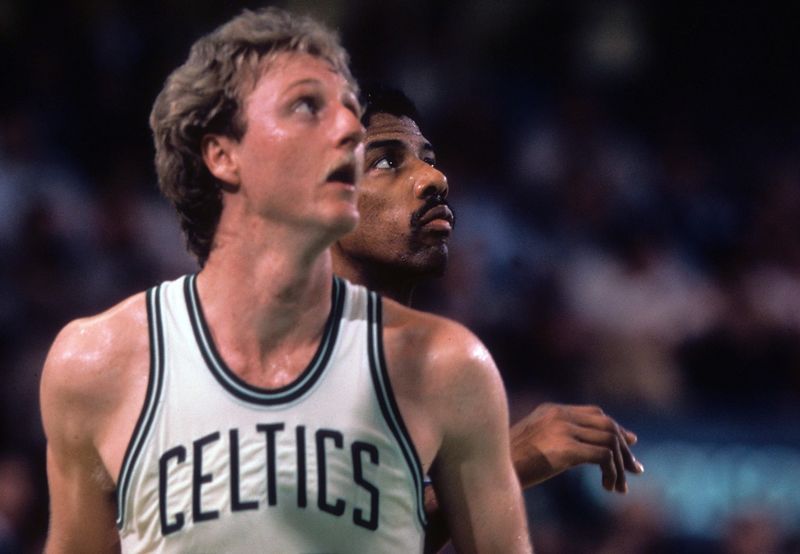
Hoosiers’ numerous contributions to the sport prove its reputation is far from those “49 other states,” as the famous saying goes. Indiana need look no further than NBA icons Larry Bird (West Baden Springs) and Glenn Robinson (Gary), UCLA’s record-setting coach John Wooden (Hall) and massive high school gyms.
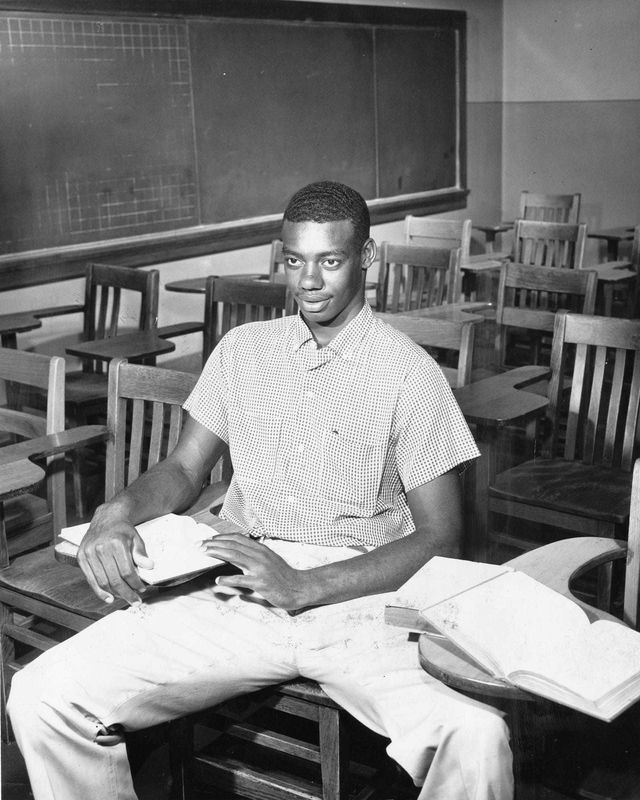
In 1955, the Crispus Attucks High School men’s basketball team (Indianapolis) became the nation’s first all-Black team to win an open state title. One of the stars, Hall of Famer Oscar Robertson, went on to an NBA career and became the National Basketball Players Association president who helped obtain free agency for players.
Indiana’s fascination with basketball led another Hoosier semiprofessional player, Chuck Taylor (Brown County) to help redesign the iconic Converse All-Stars about a century ago, footwear that remains a popular and versatile fashion statement.
Popular and jazz music
In the first few decades of the 20th century, Indiana composers Cole Porter (Peru), Paul Dresser (Terre Haute) and Hoagy Carmichael (Bloomington) made major contributions to Tin Pan Alley, the New York City-based engine of popular song publishers. Carmichael even recorded his legendary “Stardust” at Gennett Records in Richmond, where Louis Armstrong (we wish we could claim him) cut his first record.
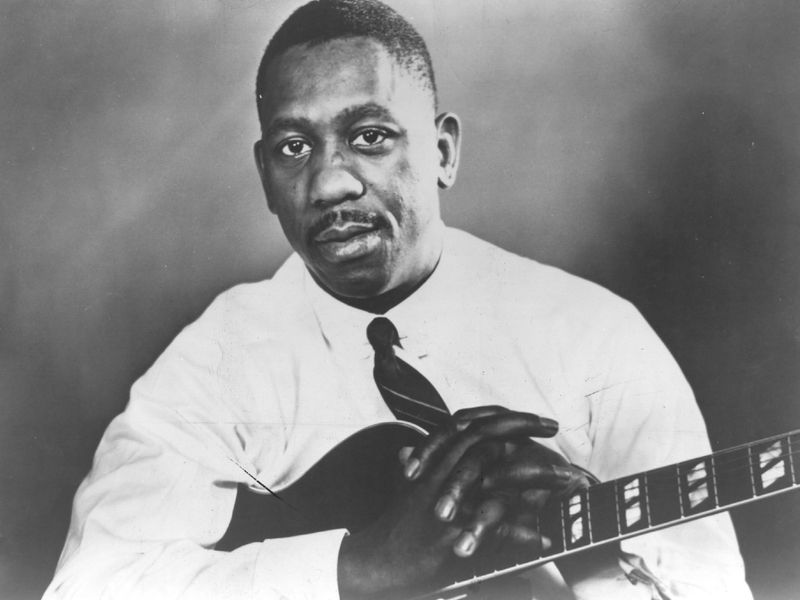
Toward the middle of the century, Indianapolis musicians loomed large with the best-selling vocal ensemble the Ink Spots, who paved the way to doo-wop. Jazz guitarist Wes Montgomery’s “thumbing” style revolutionized the genre, and trumpeter Freddie Hubbard delivered virtuosic compositions.
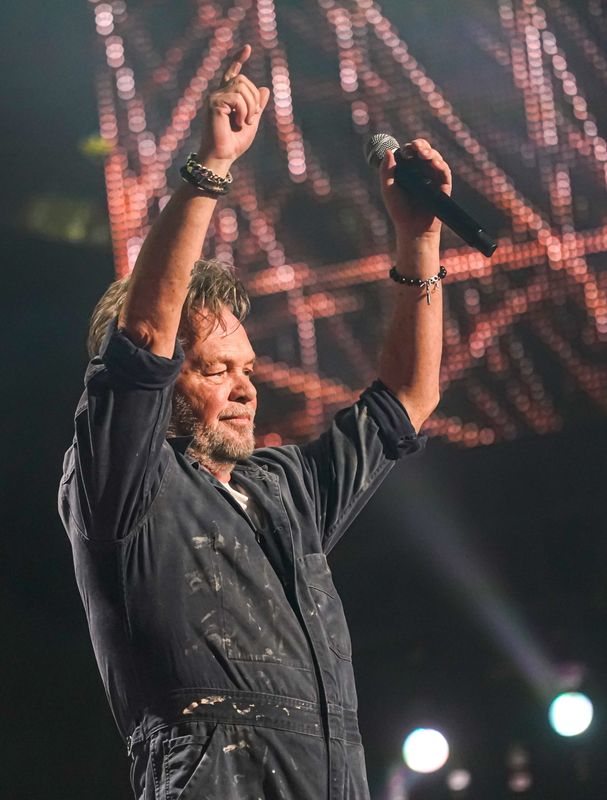
Hoosiers have made their name in rock as well. Axl Rose and Izzy Stradlin (Lafayette) formed Guns N’ Roses in Los Angeles in the 1980s, where Shannon Hoon (Lafayette) later started Blind Melon. Van Halen lead singer David Lee Roth spent formative years in Bloomington and New Castle, and John Mellencamp’s Seymour roots are evident across his songwriting catalog.
And, of course, Indiana has blessed the world with iconic superstars Michael Jackson and Janet Jackson, from the famous Gary family, and Kenneth “Babyface” Edmonds (Indianapolis), the multifaceted singer, songwriter and producer.
Food and agriculture
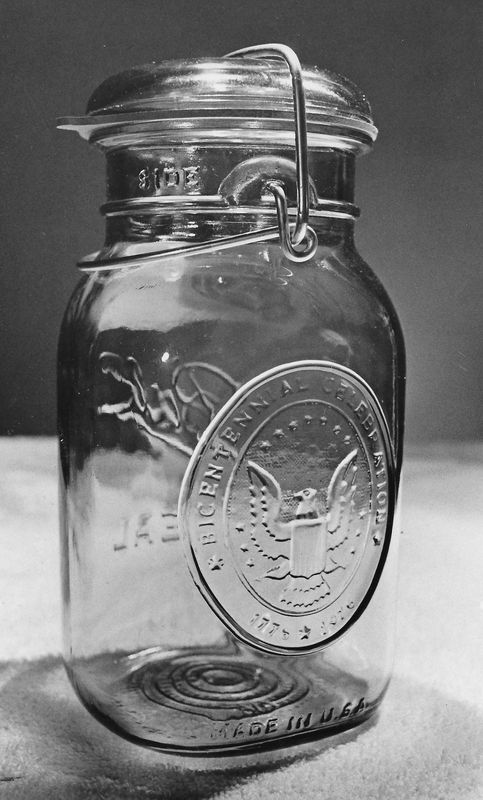
Indiana has long been a state that spreads the word about well-packaged snacks. In 1887, the Ball brothers moved their glass jar manufacturing factory to Muncie, creating the juggernaut Ball Corporation that has advanced how Americans store food and beverages.
A few decades later in 1917, Chef Louis Perrin found himself without oranges for breakfast at the French Lick Springs Hotel, so he decided to squeeze the humble tomato into a juice. The beverage fit right into Hoosier meals, which included bacon that was sold sliced, thanks to Indianapolis’ Kingan & Co.’s 1914 invention. Slicing the meat made it all the easier to load onto Taggart Baking Co.’s Wonder Bread, which in 1930 became one of the first pre-sliced packaged breads.
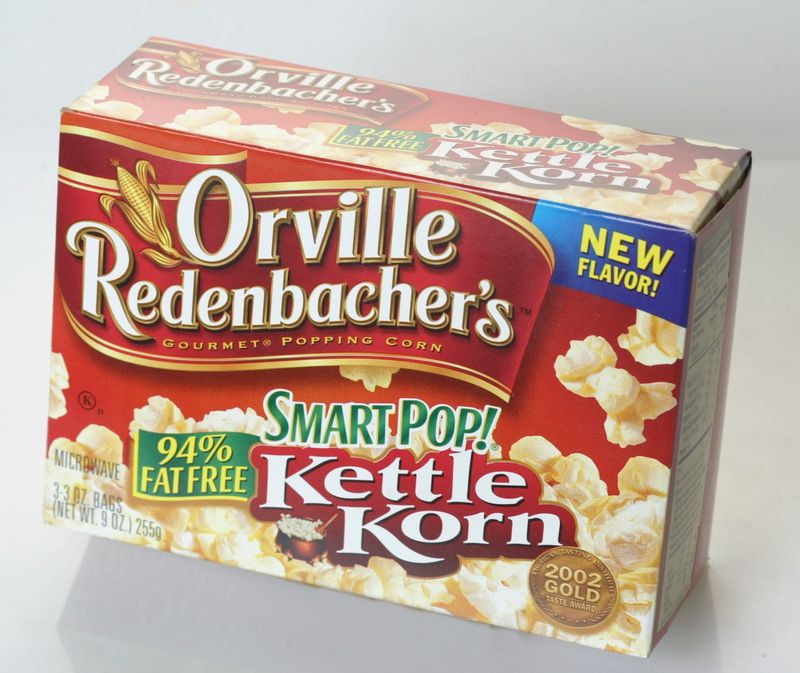
But Indiana’s contributions in the kitchen don’t stop there. Among the state’s major crops are soybeans, mint and corn. The latter has contributed to a snacking revolution thanks to Frederick C. Mennen (LaPorte), who in 1958 packaged popcorn kernels in a versatile pan-like container to create Jiffy Pop. About seven years later, Orville Redenbacher (Brazil) fine-tuned a gourmet popcorn that took supermarkets by storm.
Politics
While former Presidents William Henry Harrison, Abraham Lincoln and Benjamin Harrison all have major ties to Indiana, the state’s outsized role in providing vice presidents often flies under the radar.
The lineage can be traced back to Schuyler Colfax (New Carlisle), who was a journalist and newspaper owner before ascending to the vice presidency under Republican Ulysses S. Grant.
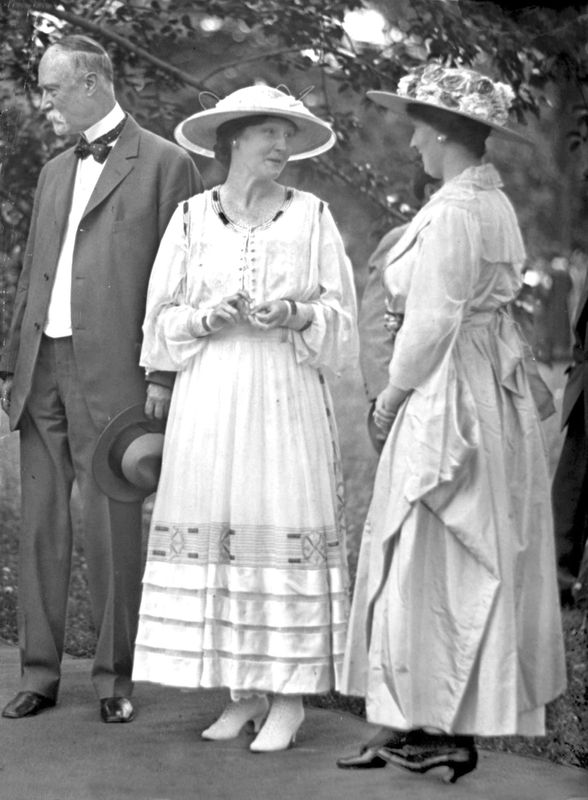
Next came a string of attorneys, starting with Thomas A. Hendricks (Madison), who served with Democrat Grover Cleveland in 1885 for eight months until Hendricks died. Twenty years later, Charles W. Fairbanks (Indianapolis) took the vice presidency after Republican Theodore Roosevelt ascended to the presidency. Democrat Thomas R. Marshall (North Manchester) served two terms with Woodrow Wilson starting in 1913.
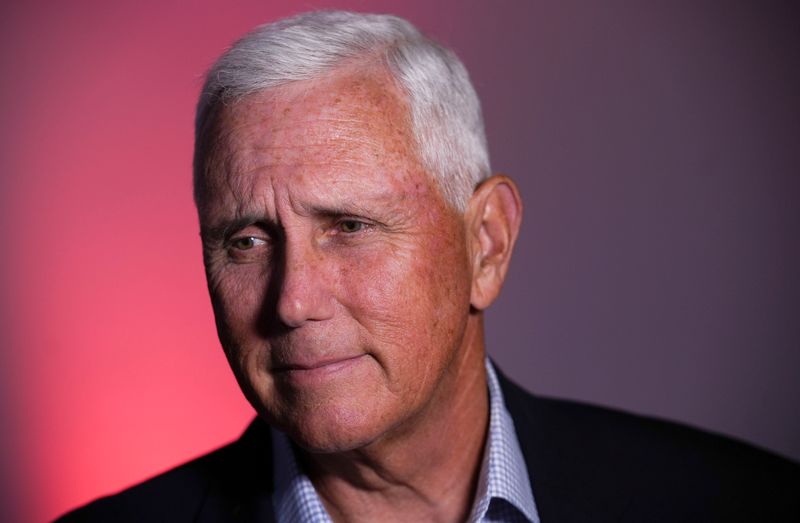
Indiana didn’t furnish another vice president until 1989, when Dan Quayle (Indianapolis) assumed the role under Republican George H.W. Bush. Starting in 2017, Mike Pence (Columbus) served with President Donald Trump for Trump’s first term.
Hoosiers worked to gain political power outside the mainstream as well. Perhaps most notably, Eugene Debs (Terre Haute) ran unsuccessfully for the presidency on the Socialist ticket five times between 1900 and 1920.
Authors
Hoosier writers seem to have a knack for inspiring movies. Several of John Green’s (Indianapolis) stories have graced the silver screen, including “The Fault in Our Stars” and “Paper Towns.” And “The Princess Diaries,” by Meg Cabot (Bloomington), enjoys modern-day fairytale status.
The page-to-film adaptations aren’t anything new. Hoosiers delivered a literal “golden age” of literature from the late 19th century to about 1920 with authors including Lew Wallace (Brookville), Theodore Dreiser (Terre Haute), Meredith Nicholson (Crawfordsville) and Booth Tarkington (Indianapolis). Their works – “Ben-Hur,” “An American Tragedy,” “The House of a Thousand Candles” and “The Magnificent Ambersons,” respectively – all made it to film.
More renowned authors from that period include poet James Whitcomb Riley (Greenfield) and Broadway playwright George Ade (Kentland). Hoosiers like Jessamyn West (Jennings County) continued to make a major imprint on American literature. A strong Indianapolis contingent includes novelists Kurt Vonnegut and Dan Wakefield, and poets Mari Evans and Etheridge Knight.
Health, science and beauty innovations
Hoosier minds have played a large role in advancing hair care, monitoring alcohol use, improving sexual health and regulating people’s moods and metabolism.
Several of those innovations began in downtown Indianapolis, starting in 1876, with Civil War veteran Col. Eli Lilly’s eponymous pharmaceutical company that introduced the first commercial insulin in 1923 and antidepressant Prozac in 1986. In 1910, Madam C.J. Walker opened the headquarters of her hair-care empire on downtown’s west side, where she sold her wildly popular Wonderful Hair Grower, a scalp conditioning and healing formula.
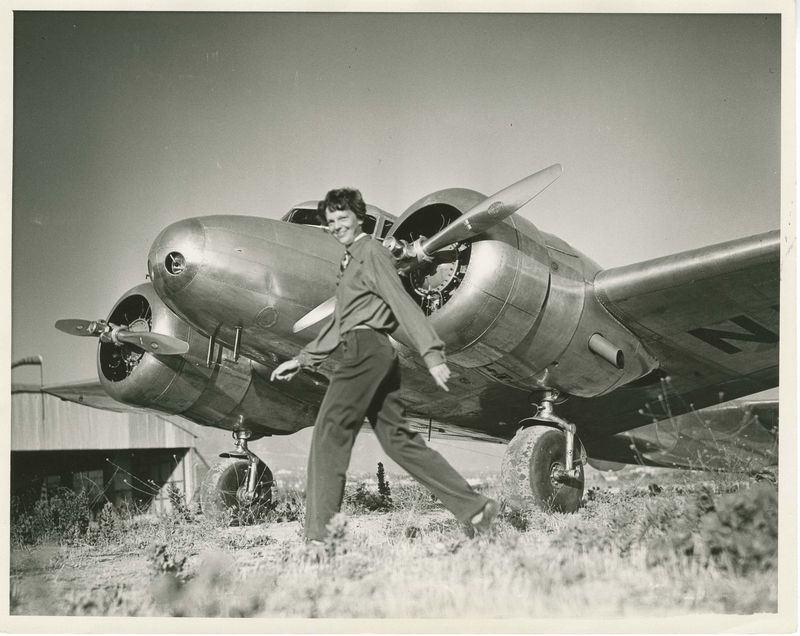
Around the turn of the 20th century, Wilbur and Orville Wright, whose family lived in Henry County and Richmond at different points during their childhoods, were widely credited with becoming the first men to build and fly a power-controlled heavier-than-air plane in a sustained flight. About 30 years later, famed aviator Amelia Earhart counseled women and advised the aeronautical engineering department at Purdue University for two years until her disappearance while piloting a plane over the Pacific Ocean in 1937.
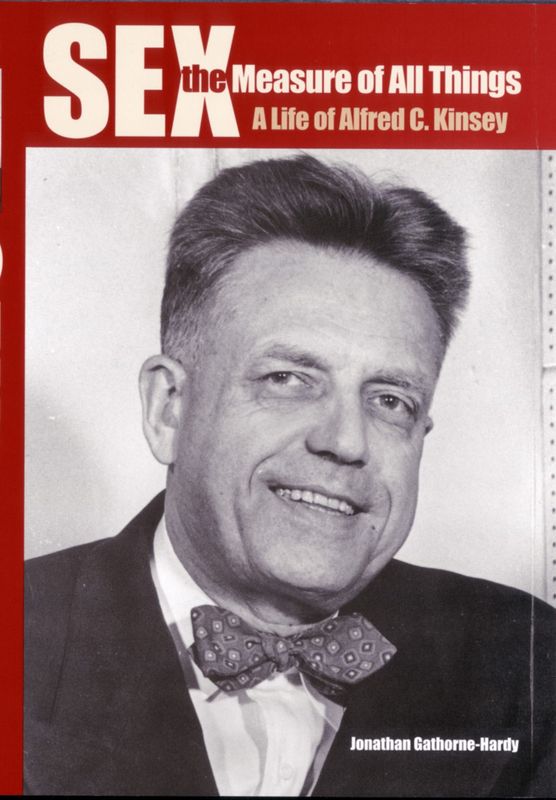
The middle of the 20th century brought more innovations on Hoosier campuses. Indiana University professor Alfred C. Kinsey founded what’s now the school’s Kinsey Institute in 1947 to research human sexual behavior during an era that restricted exploring such subjects. Just five years later, Purdue University alum Edward Mills Purcell shared a Nobel Prize for his work that led to nuclear magnetic resonance imaging.
And in 1954, Robert Frank Borkenstein (Fort Wayne), an Indiana State Police captain and professor at Indiana University, invented the Breathalyzer, the first reliable practical instrument for testing breath alcohol roadside.
Attempts to create utopias
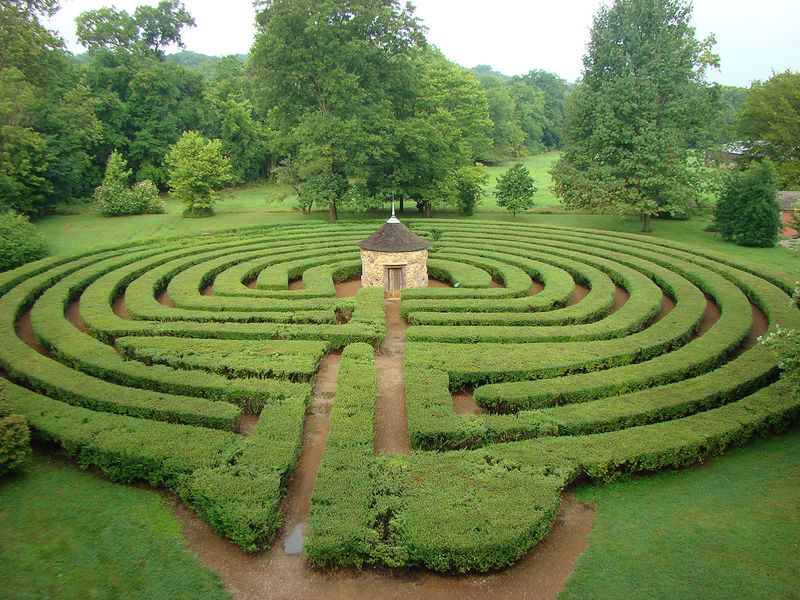
Do Indiana’s flatlands inspire dreams of ideal worlds? Maybe, because not one, but two, utopian societies took root in New Harmony in the 1800s. German religious separatists founded the southern Indiana town in 1814, complete with a celibacy mandate and granary to stockpile food in anticipation of civil unrest at the end of the world.
After the religious sect departed, a secular community focused on social and labor reform moved into the town. It disbanded in 1827, but those who remained transformed New Harmony into a science hub.
About 120 years later, B.F. Skinner, then the department chair of the Indiana University psychology department, attempted a utopia in literary form when he wrote the novel “Walden Two,” in which a communal society causes friction among a group of friends.
Visual artists
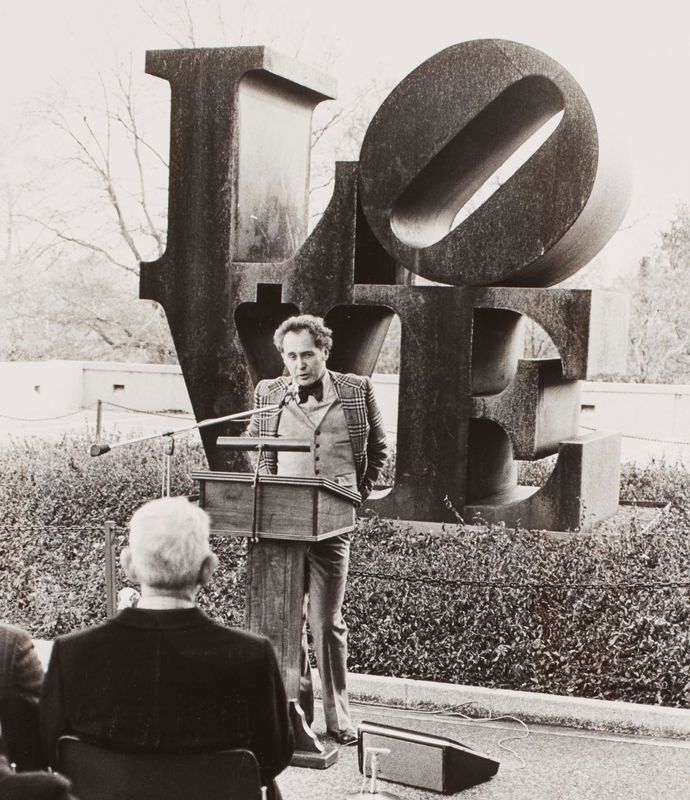
An inscription by a Christian Science church in Indianapolis prompted Robert Indiana (New Castle) to create perhaps the best-known piece of art by a Hoosier — the “Love” design, which was later fashioned into famous sculptures. But the line of famous Hoosier artists stretches long before that.
In the late 19th and early 20th centuries, The Hoosier Group, a group of Impressionists, introduced the country to Indiana scenes and people. Painters William Edouard Scott and John Wesley Hardrick (both from Indianapolis) and Wayman Adams (Delaware County) studied under the group’s members and earned national acclaim with their work.
David Smith (Decatur) built a reputation as one of America’s most celebrated sculptors with his large abstract steel works in the mid-20th century. And in 1972, Felrath Hines (Indianapolis) became the first Black chief conservator for the Smithsonian Institution’s National Portrait Gallery while building a reputation as a painter. Around the same time, Nancy Noël (Indianapolis) opened a Broad Ripple gallery and became internationally famous for her paintings of children, animals and angels.
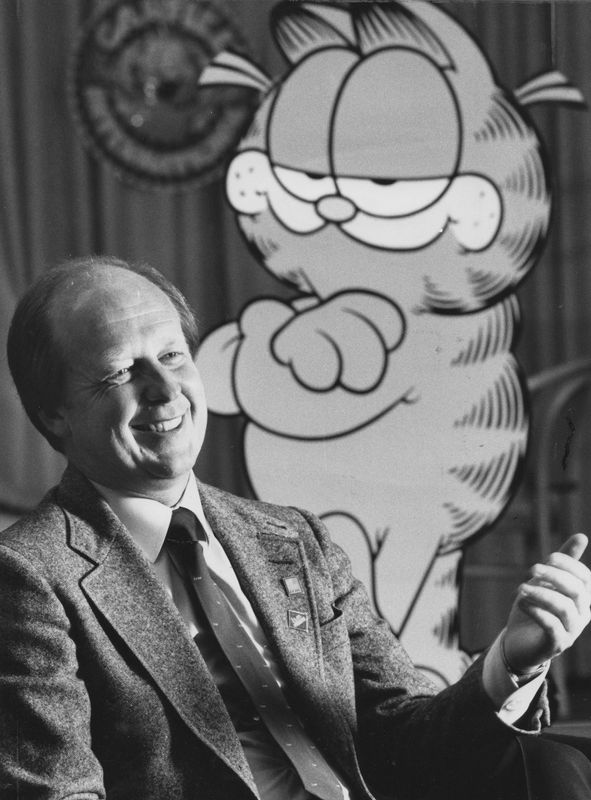
Hoosiers have delivered humor with their art, too, thanks to Kin Hubbard (Indianapolis), who created the folksy Midwestern Abe Martin character around 1900, and Jim Davis (Marion), whose curmudgeonly cat Garfield continues to live in hearts across the world.
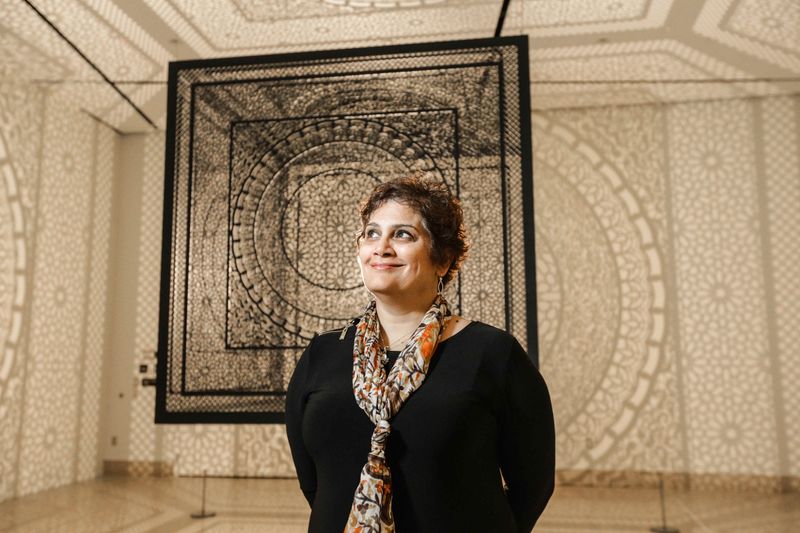
Davis and other living Indiana artists carry the torch forward. Bruce Nauman (Fort Wayne) is widely known for his work in performance, sculpture and video. Likewise, the Met held a retrospective of Vija Celmins’ (Indianapolis) work, including her well-known paintings and drawings, in 2019. Tuck Langland’s (Granger) large-scale sculptures sit in public plazas across the United States, and Anila Quayyum Agha (Indianapolis) has been honored internationally for installations that explore subjects like immigration using light and shadow.
Fashion
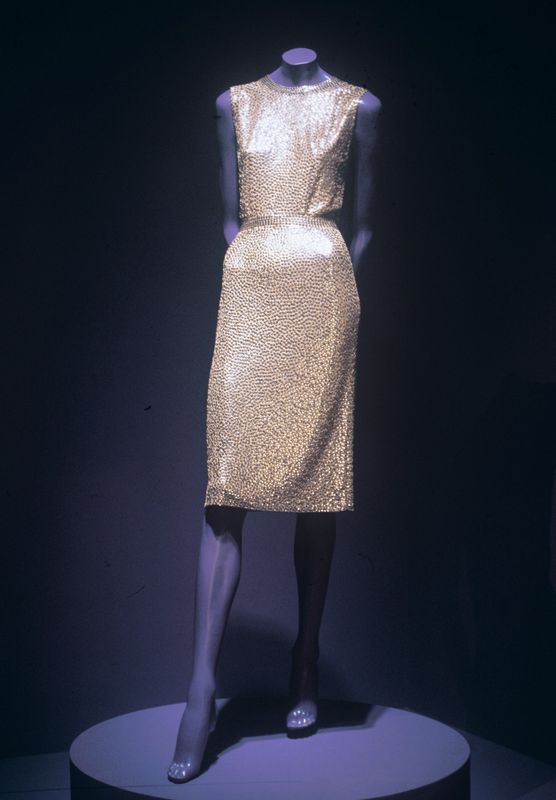
A string of famous Hoosier fashion designers have humbly (and sometimes not so humbly) clothed members of society’s stratosphere — think Gloria Swanson, Lauren Bacall, Liza Minnelli and Debbie Harry — while popularizing staples among the masses. Norman Norell (Noblesville) elevated simple necklines and sequined “mermaid” gowns in the mid-20th century.
Norell mentored Bill Blass (Fort Wayne), who crafted elegant sportswear, and Roy Halston Frowick (Evansville), who designed the much-copied Jackie Kennedy pillbox hat as well as the caftans and shirtwaist dresses of the 1970s. (The latter’s story was the subject of the 2021 Netflix miniseries by Hollywood producer and writer Ryan Murphy, from Indianapolis.)
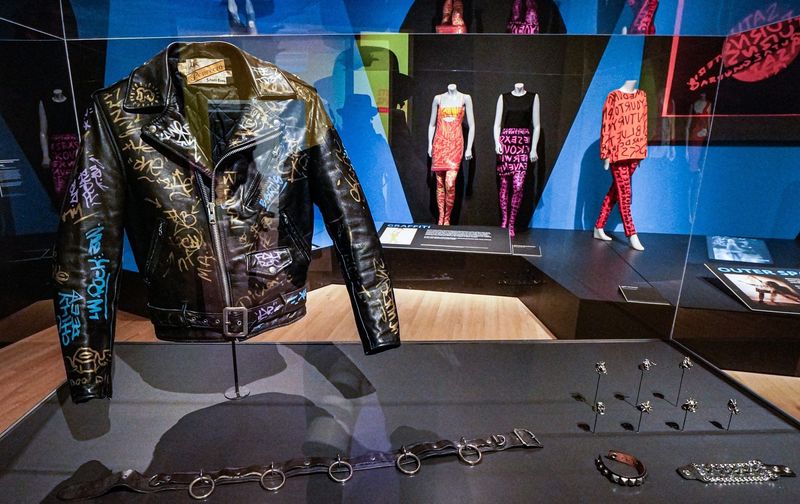
Stephen Sprouse (Columbus) rose to fame in the late 20th century by ushering in a marriage of punk and high-end that led to the coveted graffiti-style lettering over the iconic Louis Vuitton monogram in 2001. And today, women around the world over carry the Vera Bradley brand’s (Fort Wayne) dynamically colorful handbags and backpacks.
This Indy newsletter has the best shows, art and eats
Contact IndyStar reporter Domenica Bongiovanni at 317-444-7339 or d.bongiovanni@indystar.com. Sign up here for the newsletter she curates about things to do and ways to explore Indianapolis. Find her on Facebook, Instagram or X: @domenicareports.
This article originally appeared on Indianapolis Star: Thank Indiana for Jiffy Pop, tomato juice, sex research and more
Reporting by Domenica Bongiovanni, Indianapolis Star / Indianapolis Star
USA TODAY Network via Reuters Connect
By Domenica Bongiovanni, Indianapolis Star | USA TODAY Network