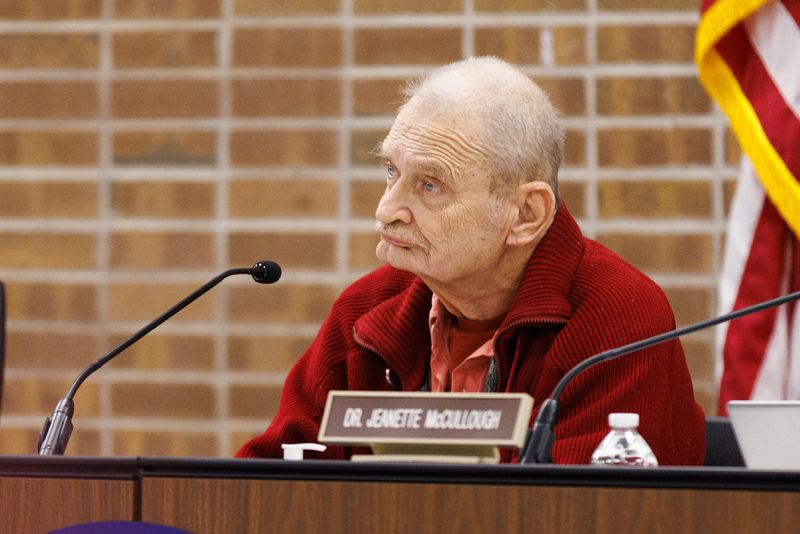
SOUTH BEND — South Bend school board member Bill Sniadecki is facing backlash from community groups like NAACP South Bend after making what the NAACP describes as an “inappropriate and deeply concerning” comment during a public board meeting.
The comment was made during a board work session about policy on April 15. According to the meeting recording on YouTube, the board was discussing SBCSC’s cell phone policy in light of Indiana’s new “bell-to-bell” cell phone ban taking effect in July.

During the meeting, Sniadecki asked Superintendent Mansour Eid about the repercussions for student violations of the policy.
In the video, around 41:40, Eid is heard replying, “It depends on who you talk to, you know? Some people think that it should be a slap on the hand or on the wrist. Others think you should get the death penalty.”
After a brief pause, Sniadecki is heard saying, “Can we make this a racial issue?” and laughing. In the video, Eid looks down and shakes his head, and the meeting continues.
The Tribune reached out to a SBCSC spokesperson on April 29 to request a comment from Eid but did not receive a response by the end of the day April 30.
When later asked what he meant by the comment, Sniadecki told The Tribune that he “didn’t mean anything by it” and was trying to say he believes all students should receive the same treatment, regardless of their race.
“I’m colorblind, you know, I treat all kids the same,” he said. “If I see any kind of misjustice [sic], for someone getting expelled because of his race, anybody that knows me knows I’ll jump right on that.”
In the context of the district’s cell phone policy, Sniadecki said he’d like to see SBCSC implement lockboxes for students to lock up their phones during class while still having them accessible in the event of an emergency.
“I don’t want some kids sneaking in their phones, and then they get punished,” he said. “… If it’s a white kid or a Black kid, they’re going to turn around and say, ‘Well, you’re taking our rights away,’ you know, and then it’s going to be turned into a racial issue if it’s a Black kid.
“I want to avoid all that by putting them [sic] lockboxes in there, you know. Everybody’s the same.”
Community members respond
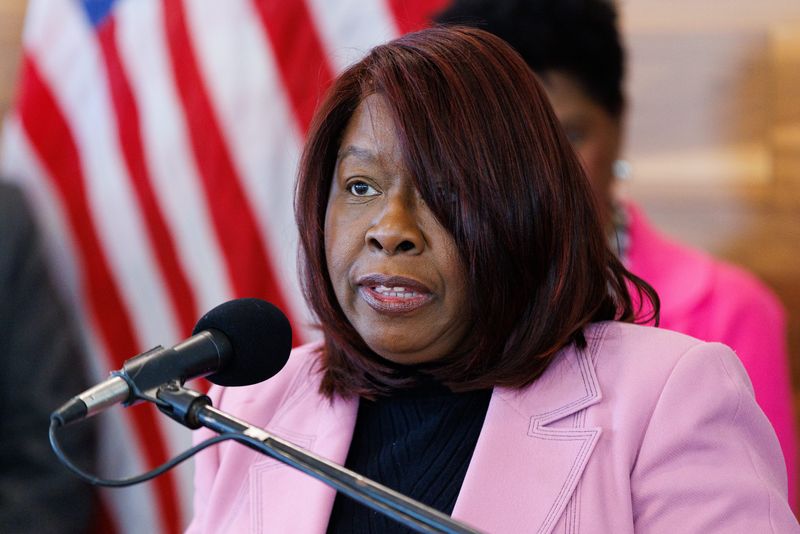
During the public comment portion of a board meeting on April 27, Trina Robinson, NAACP South Bend president, addressed the board about Sniadecki’s comment. Although Robinson never referred to Sniadecki by name, Oletha Jones, education chairperson for the NAACP, told The Tribune that Robinson was talking about him.
“Thoughtful and respectful debates are essential in policy discussions, especially when they impact students,” Robinson said. “However, raising race in a casual or strategic manner without a clear, evidence-based connection to equity or student well-being undermines both the integrity of the conversations and the seriousness of genuine and racial equity issues.
“Matters of race deserve to be addressed with care, intention and purpose, not introduced flippantly or as a rhetoric device.”
Robinson added that comments like Sniadecki’s call into question the board’s commitment to fairness, professionalism and promoting student learning. They may also “contribute to a perception that meaningful progress toward equity, particularly for Black students, may not be prioritized under the current leadership,” she said.
Robinson said she was also disappointed in a lack of response from board President Stuart Greene, because the meeting continued “as though nothing inappropriate had occurred.”
In a phone interview, the NAACP’s Jones told The Tribune that the organization’s chapter feels “the joke was offensive, harmful and potentially damaging, coming from an elected official who is responsible for overseeing a district comprised of almost 40% Black students.”
Jones added that the comment was made at a time when the district is already under scrutiny for racial disparities in discipline, prompting the board to organize a committee to study that inequity.
“It’s this dismissiveness that creates barriers, so we’re not able to achieve racial equity,” she said. “For the NAACP, it just kind of confirms and verifies that the culture within the corporation needs changing.”
When asked what she thought about the reasoning Sniadecki gave The Tribune for the comment, Jones said, “It just sounds like a good excuse.”
Speaking personally and not on behalf of the organization, she said, she believes Sniadecki doesn’t think there are any types of racial issues within SBCSC, and that every child is treated the same.
“We have to question, could this be a reflection of his inner bias, this seemingly harmless remark?” Jones said. “Remarks like this really reveal the true character of a person, but not only a person, but are representative of the character of the institution that he serves.”
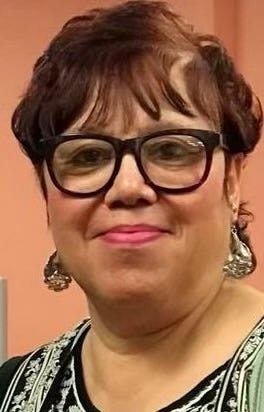
In an emailed statement, Tiana Batiste-Waddell, founder and CEO of LeAja Consulting, LLC, said Snaidecki was aware that suspension could be used as a consequence for violating the cell phone policy.
“However, rather than engaging in thoughtful dialogue or offering student-centered, restorative solutions, the response was dismissive in tone — marked by humor and a visible lack of urgency,” Batiste-Waddell’s email reads. “… Our students deserve leadership that not only understands the implications of its decisions, but actively works to ensure those decisions do not perpetuate harm.”
She urged trustees to engage in self-assessment, seek community input and commit to policies “that reflect both accountability and compassion.”
In her comments to the board, Robinson called on trustees to self-reflect on the incident, as well as calling for an apology from Greene.
Trustee responses
Although Sniadecki had already left the meeting, during his closing remarks, board Vice President Carlos Leyva addressed the comment and thanked Robinson for coming to speak.
“I can’t speak for him, but I do apologize for any behavior that any board member does,” he said, “and I hope that board member does apologize.”
Greene also commented on the incident during the April 27 meeting.
“I’ll agree to apologize as well,” Greene said, “and especially, I need to review the situation.”
But in an April 28 email sent to the rest of the board, Sniadecki said it was “not acceptable” for Leyva and Greene to apologize on his behalf.
“I have no reason to apologize for any comment that I may have made but if there ever was I would apologize myself,” Sniadecki’s email reads. “… No one speaks for me. If Trina Robinson or anyone else has a problem with anything I may have said they know they can come to me. This was totally unethical and unprofessional.”
When asked what she believes should happen in response to Sniadecki’s comment, Jones said she thinks apologies are in order, but she doesn’t believe they’re sufficient in this situation.
The entire board should also undergo cultural training, she said, to better understand the different cultures represented in their district and who are impacted by their decisions.
“When you are responsible, and you’re overseeing a corporation that is almost 40% Black students,” Jones said, “and the corporation is being scrutinized for racial discriminatory practices, I would think you’d be a little bit cognizant and aware of the things that you say so that it won’t be misconstrued in a way that can be potentially harmful.”
Email South Bend Tribune education reporter Rayleigh Deaton at rdeaton@usatodayco.com.
This article originally appeared on South Bend Tribune: South Bend schools trustee faces backlash for ‘racial issue’ comment
Reporting by Rayleigh Deaton, South Bend Tribune / South Bend Tribune
USA TODAY Network via Reuters Connect