The Indianapolis area has faced multiple droughts in its 200-year history. Early Indianapolis resident attorney Calvin Fletcher, who had significant land in Marion County which he farmed, made frequent references to droughts in his detailed diaries over a 40-year span.
“No rain yet. Everything suffers greatly for the droughth[sic],” reported Fletcher on Sunday July 16, 1843, in his diary, which is available from the Indianapolis Public Library.

More accurate meteorological record keeping was established in the early 20th century. A significant drought hit the city in 1936 during the Great Depression, according to news reports at the time. While Indiana was not in the Dust Bowl region, the 1930s were drier than normal across the state, with several periods of drought.
In 1936, the worst of these years for Indianapolis, the city’s rainfall total was nearly 9 inches below normal by August. Only 0.67 inches of rain fell in July. On July 7 the thermometer hit 103 degrees in Indianapolis and 111 degrees in Bloomfield, while Logansport was at 106. Collegeville, Indiana, in Jasper County, reached 116 degrees on July 14, the highest temperature ever recorded in the state, even to this day.
In some places, the city pavement began to buckle due to the heat, and stretches of roads closed. Crop losses were significant. By July, corn crop losses totaled $12 million in 1936 dollars.
The 1950s saw severe drought conditions, rivaling even the 1930s. But the drought of 1988 was one of the most significant in the city’s history.
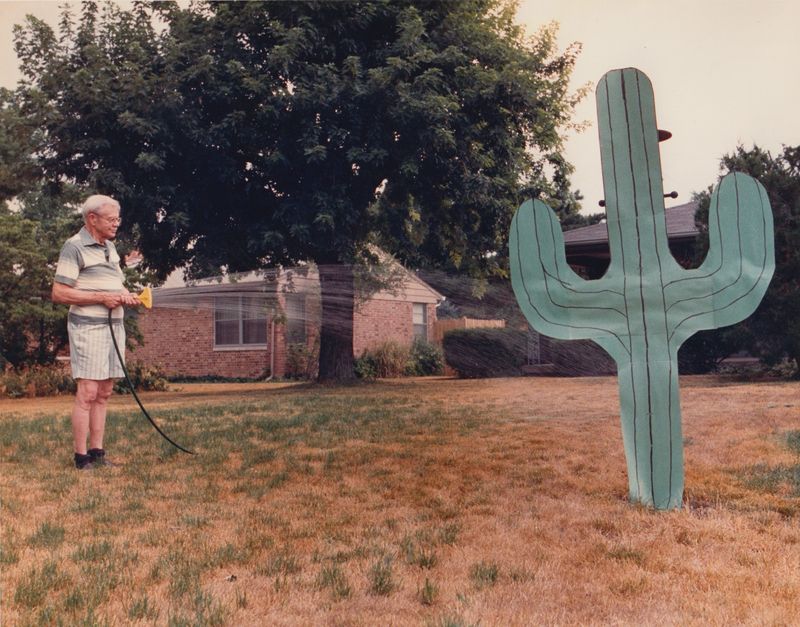
Below normal rainfall in 1987 continued into 1988 and partnered with higher temperatures in the spring and into early summer. The drought worsened when high heat set in during June, July and August, with multiple 100-plus degree days reported. In late May, the Indianapolis Water Company recorded that in a one-hour period from 7 p.m. to 8 p.m., demand for water hit a record of 252,000,000 gallons per day, because so many residents were watering their lawns.
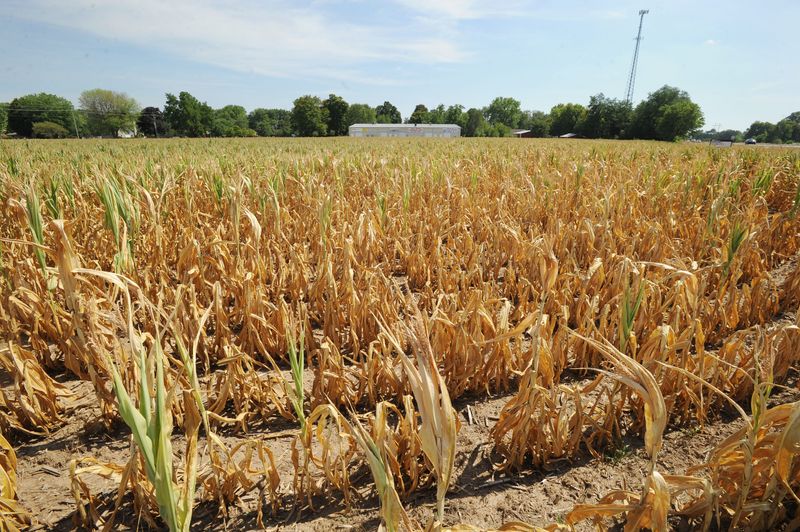
June 1988 was the driest month in Indianapolis since 1954. By early that month, crops were in dire straits, and the state announced a program to loan $10 million to Indiana farmers to replant crops and buy feed for livestock.
As July 4th approached Governor Robert Orr appealed to the public to not set off fireworks or water lawns. He halted watering lawns on state properties. The water company asked customers not to water lawns between 5 and 10 p.m., a period of high usage. Outside of Indianapolis, many cities and towns outright banned lawn watering. On July 1, the Indianapolis Star noted that “[t]he 90-day outlook for Indiana is for hot, dry weather.”
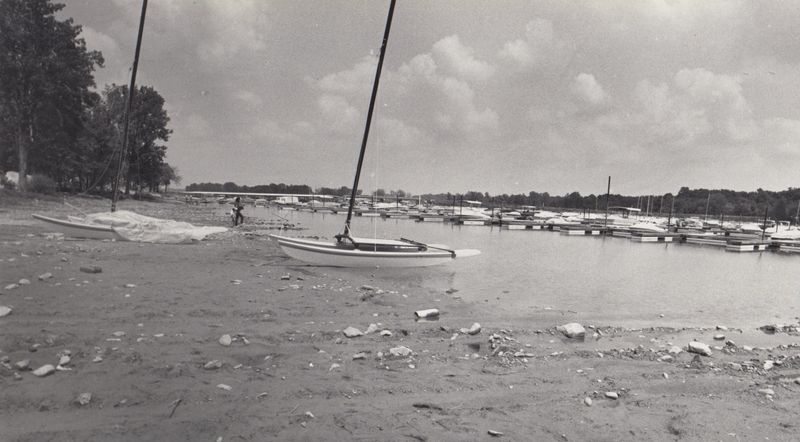
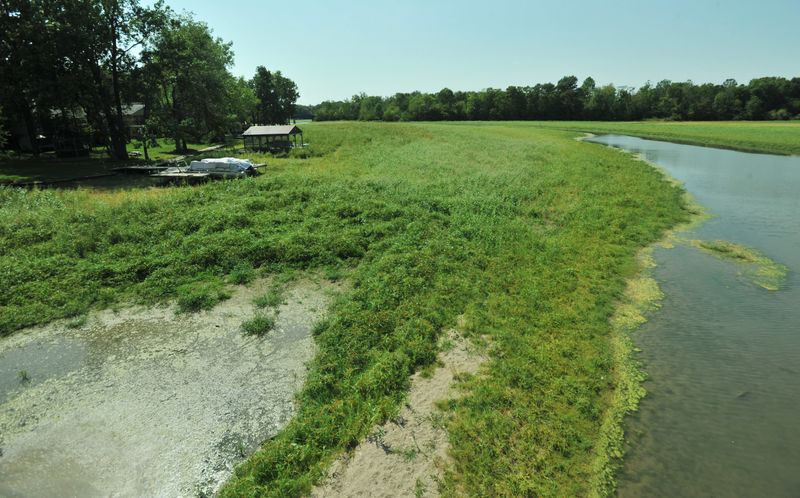
The Geist Reservoir saw some of its lowest levels since it was constructed in the 1940s. On May 16 the Indianapolis Water Company released water from Geist to supplement Fall Creek, which was nearly dry in some places. Docks at Geist and Morse Reservoirs were left high and dry due to the low water levels, while boats sat in grassy fields where the reservoir’s waters had been.
As hot weather continued, groundwater levels dropped to record lows at many monitoring sites around the state. On July 20, 1988, rain finally fell with 6/10 of an inch reported at the Indianapolis International Airport and about an inch downtown. But the rain was no drought buster and drought conditions persisted until September. Geist Reservoir did not return to its normal pool level for eight months, until January 1989.
Another drought in 2012 had many of the hallmarks of 1988, although it was described as a “flash drought,” since it developed in a matter of months, rather than over the course of multiple years.
The drought began with temperatures 20 degrees above normal in early spring; March was the warmest on record. In May rainfall began to level off, a trend which continued through June and half of July. Normal June rainfall was about 4.25 inches but in June 2012, a mere nine hundredths of an inch of rain was officially recorded in Indianapolis.
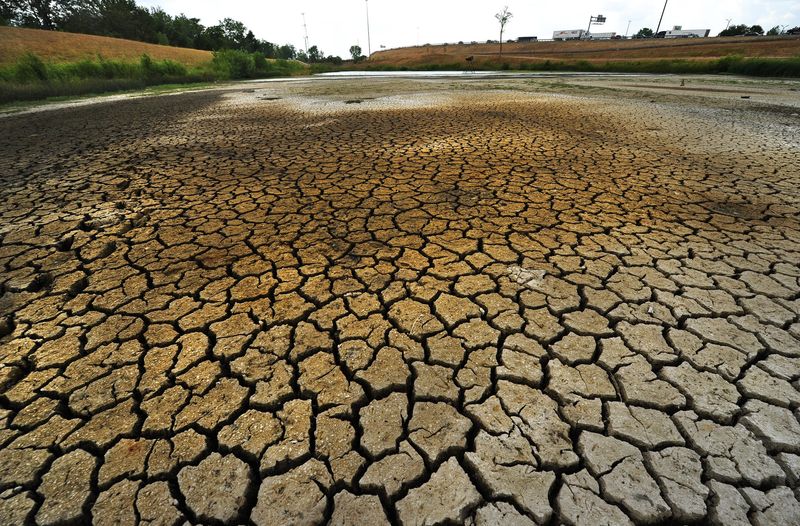
On July 17, the IndyStar reported that the city had tied its longest dry spell in 100 years, with 45 days with less than a tenth of an inch of rain. The temperature hit 104 on June 28, the first time in 58 years Indianapolis recorded a temperature that high. Local reservoir levels once more plummeted. In mid-July, Morse Reservoir was six feet below normal and sections of the reservoirs usually covered in water became exposed and dry, leaving cracked and parched mudflats behind.
Most of the state was in a “severe” drought condition, while the Indianapolis metropolitan area was categorized as “extreme.” Crops once again suffered, and the federal government worked to streamline aid to farmers, while reducing the interest on emergency loans available to farmers impacted by the drought. By August, large sections of Indiana were categorized as “exceptional” drought conditions, the highest level of drought severity.
By September, cooling temperatures and more frequent rainfall finally rolled over the state, and by October the drought had broken.
This article originally appeared on Indianapolis Star: Retro Indy: Worst droughts that hit Indianapolis area in past century
Reporting by Ed Fujawa, Special to the IndyStar / Indianapolis Star
USA TODAY Network via Reuters Connect
By Ed Fujawa, Special to the IndyStar | USA TODAY Network