

Growing up in Southcentral Pennsylvania, my grandparents walked and socialized with neighbors every afternoon in the park across their street. In college, I trained for triathlon in the summers by running and biking on the rail trails connected to that park, often stopping to give my grandparents a sweaty hug along the way. Eventually, they downsized and moved into a condo across town. My grandparents lived full lives well into their 80s before passing. While I cherish those memories, as an exercise scientist, I recognize an important change: When my grandparents moved, they lost easy access to their park. Without sidewalks or other nearby recreational spaces, they became less active — that was when age caught up with them.
Physical exercise is essential for maintaining health and wellness, yet the CDC estimates that only 20% of American adults meet recommended physical activity guidelines. Florida Gulf Coast University’s Shady Rest Institute on Positive Aging is committed to expanding Southwest Florida’s healthspan — the number of years lived in good health, free from chronic disease or disability. As an exercise science professor at FGCU, I strive to promote active living through the Institute while training future exercise professionals to do the same. While physical inactivity in America is a multifaceted problem, a major contributor is a lack of accessible places where people can be active; specifically, safe, walkable environments.

Walking remains the most widely prescribed form of exercise to improve health and fitness worldwide. A community’s walkability is measured via a “walk score”: a rating from 0-100 that reflects how easily residents can access daily destinations without overly relying on vehicular transportation. Walk scores sometimes parallel a similar “bike score,” which evaluates how supportive the area is for cycling. Higher scores indicate environments where walking and biking are practical and safe, with scores of 90+ indicating a “walker’s/biker’s paradise.” Lower scores reflect greater dependence on cars; 49 or below is considered “car dependent,” indicating higher risks for vehicle-related accidents involving pedestrians and cyclists.
Unfortunately, Southwest Florida scores poorly in both categories (Data retrieved from walkscore.com, June 2026):
· Fort Myers: Walk Score=35 Bike Score=48
· Estero: Walk Score=13 Bike Score=41
· Bonita Springs: Walk Score=19 Bike Score=45
· Naples: Walk Score=35 Bike Score=45
Given these numbers, is it surprising that Southwest Florida has one of the deadliest road systems in America for pedestrians and cyclists?
Enter the Bonita Estero Rail Trail (BERT).
BERT will convert the unused train rail corridors from Estero to Naples into a multi-use recreational trail system. More than an urban planning project, BERT represents a massive public health intervention:
· Most obviously, BERT will improve fitness and safety for all ages and increase healthspan for Southwest Florida. The planned 11.4-mile trail will provide a protected thoroughfare away from major traffic. Parents with strollers, toddlers on balance bikes, cycling commuters, runners, older adults using walkers or wheelchairs — all can move freely and safely within the same shared environment.
· With increased use for recreation and transportation, BERT will potentially reduce health care costs in this region. Research estimates that every dollar invested in rail trails can return $3-$9 in health care savings for a given region. In an area often described as a “health care desert,” BERT would create active living opportunities that can improve health outcomes, quality of life, and financial savings for Southwest Florida residents.
· Finally, BERT would strengthen community connections. Social isolation affects mental health across the lifespan. With its parks, playgrounds, recreational hubs, and mixed-use spaces, BERT will provide gathering places that encourage interaction, recreation, and a sense of belonging.
The rail trails of my childhood provided countless benefits for myself and my family. BERT stands to do the same — and more — for Southwest Florida. I fully support this project and encourage others to do the same. BERT will improve the health, safety, and quality of life of our region for generations to come. Let’s build the trail and create the space our residents need to move, connect, and thrive.
Paula-Marie M. Ferrara, PhD., M.S., ACSM-CEP, Associate Professor, Department of Rehabilitation Sciences – Exercise Science Program at Florida Gulf Coast University.
This article originally appeared on Naples Daily News: Rail trail will boost number of years lived in good health | Opinion
Reporting by Paula-Marie M. Ferrara / Naples Daily News
USA TODAY Network via Reuters Connect
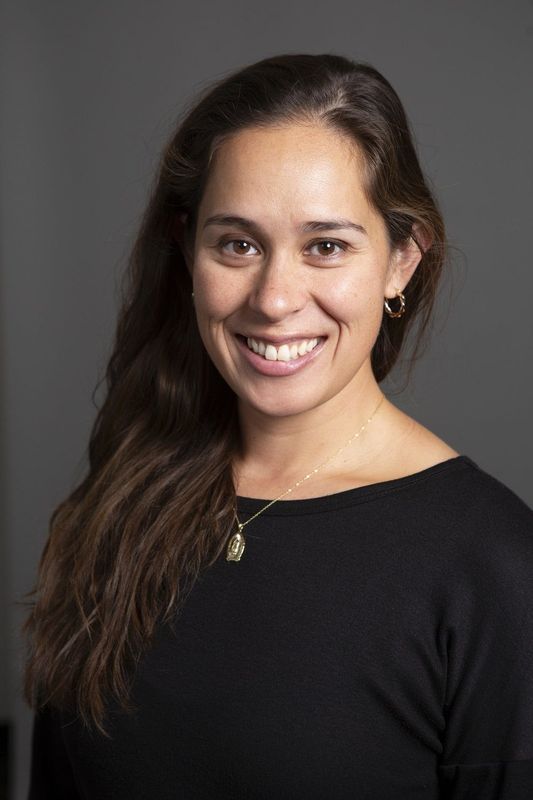
By Paula-Marie M. Ferrara | USA TODAY Network
