Disease-causing tick bites are on the rise in the U.S. but Floridians are in the dark due to the state Department of Health not reporting case data.
Exposure to ticks through summer hiking, gardening and other outdoor activity is in full swing. The U.S. Centers for Disease Control is warning a bad tick season is expected.

Bites from the black-legged ticks, or deer ticks, can cause debilitating Lyme disease in humans. The deer tick and other types can harm and kill dogs.
The CDC says emergency room visits for tick bites is the highest since 2017, which includes the Southeast.
The CDC advisory does not specify which ticks are causing more ER visits but it points out that May is Lyme disease awareness month. It is the most common of illnesses caused by parasites like mosquitoes, ticks and fleas.
Lyme disease is a reportable disease in Florida but the state health department’s website for reportable diseases does not list it.
A Google search gives this explanation below from DOH:
“While Lyme disease is a reportable condition in Florida, it may appear absent or undercounted on public-facing reporting sites due to a reliance on ‘passive surveillance,’ where cases rely on voluntary reporting by providers, leading to significant undercounting.”
“Furthermore, Florida health officials often prioritize reporting for more acute, severe diseases over less common ones, and cases are concentrated in specific, mostly northern areas of the state.”
Should Floridians be concerned about tick bites?
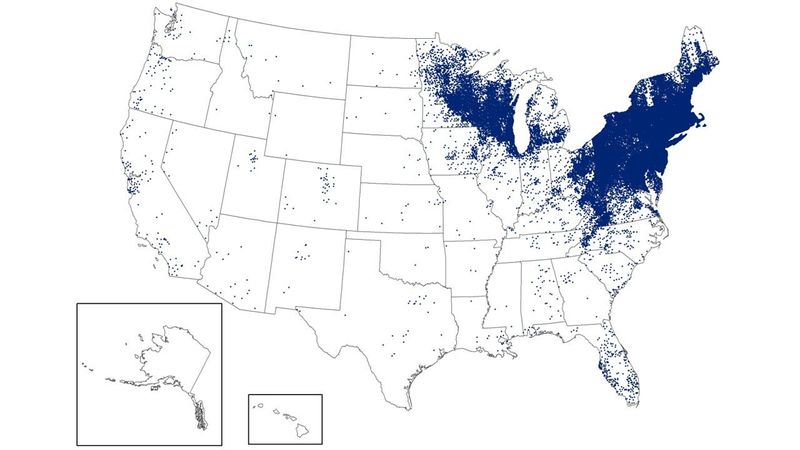
While the state DOH says ticks and tickborne illnesses tend to be concentrated in the northern part of the state, the Jacksonville-based Florida Lyme Disease Association says “ticks do not know borders and are prevalent throughout the country.”
The association references the pest control company Terminex in 2024 said Florida is second after California among five states with a “tick problem.’ That’s based on the number of tick control companies doing business in the five states.
The association says Lyme disease is undercounted in Florida based on various data sources.
“Doctors and patients are falsely told that there is “no Lyme in Florida” or that it is extremely rare,” according to the association.
“As a result of this downplaying of the risk of Lyme and other tick-borne infections, people, especially parents, are less likely to take steps to prevent tick bites. Additionally, those infected are less likely to receive an early diagnosis.”
According to the CDC, Florida in 2023 had 271 cases of Lyme disease out of the 89,470 cases nationwide that year.
The University of Miami Health System points out that Lyme disease is not common in south Floridabut the black-legged tick that causes is common in Florida.
“Because the condition is less common in Florida and its symptoms mimic those of other diseases, it’s easy to overlook,” according to the health system.
Experts at the University of Florida’s Emerging Pathogens Institute likewise says two species of ticks stands above the rest in the state; the black-legged tick, also called the deer tick that causes Lyme disease, and the Lone Star tick.
What is Lyme disease and the symptoms?
The CDC is urging the public to take steps to protect themselves and their families from tick bites and tick-borne illnesses like Lyme disease.
It is the most common tick-borne illness that is caused by bacteria transmitted by infected black-legged ticks, or deer ticks.
Every year, an estimated 31 million people are bitten by a tick, and an estimated 476,000 people are treated annually for Lyme disease.
The CDC says ER visits from tick bites have been increasing.
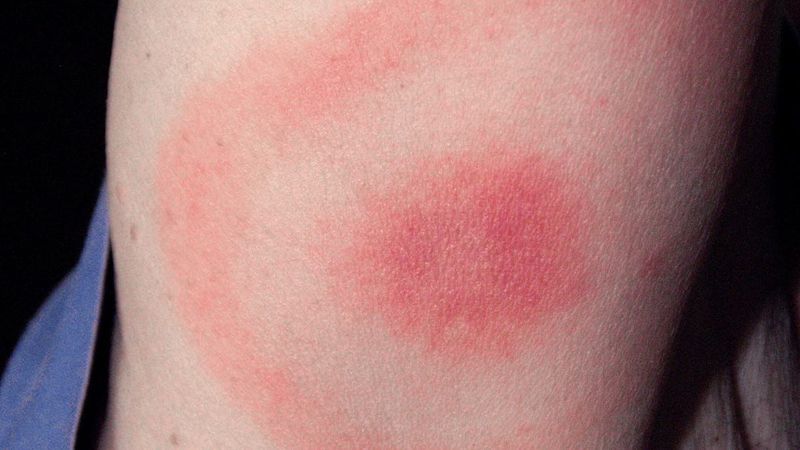
Symptoms of Lyme disease include fever, headache, fatigue, and skin rash. If left untreated, infection can spread to joints, the heart, and the nervous system.
If left untreated, infection can spread to joints, the heart, and the nervous system.
“Tick season is here and these tiny biters can make you seriously sick” Alison Hinckley, epidemiologist and Lyme disease expert with the CDC’s Division of Vector-Borne Diseases, said in a news release.
“The good news is you have options to help prevent tick bites when you spend time outdoors,” she said.
The recommendation is to wear EPA-registered insect repellent and permethrin-treated clothing, or long sleeves and pants, and do tick checks. If you do find a tick attached to your skin, remove it as soon as possible, within 24 hours, to help prevent Lyme disease.
Ticks must usually be attached for 36 to 48 hours to transmit the bacteria.
But nymph-stage ticks, the primary transmitters of Lyme disease, are the size of a poppy seed and their bites are painless. They are found in shady, moist areas, leaf litter, and tall grass.
“These simple steps can go a long way in protecting you and your family from diseases spread by ticks,” Hinckleysaid. “And if you develop a rash or fever in the days to weeks after a bite, or after being in an area with ticks, seek medical care promptly.”
Do you have an opinion about this topic? Write a letter to the editor and send it to letters@naplesnews.com and/or mailbag@news-press.com. Keep it to 250 words or fewer and include your contact info. Have more to say: Send a guest column of no more than 600 words.
Liz Freeman is a health care reporter. Reach her by emailing lfreeman@naplesnews.com
Please support local community journalism and stay informed about Southwest Florida news by subscribing to The News-Press and Naples Daily News; download the free News-Press or Naples Daily News app, and sign up for daily briefing email newsletter, food & dining and growth & development newsletters here and here.
This article originally appeared on Naples Daily News: Florida has a tick problem but state data no where to be found
Reporting by Liz Freeman, Fort Myers News-Press & Naples Daily News / Naples Daily News
USA TODAY Network via Reuters Connect