California Gov. Gavin Newsom’s trolling of Donald Trump is getting under the president’s famously thin skin.
“A president should not have learning disabilities,” he declared Monday, referring to Newsom’s dyslexia, something the governor wrote about in his recent campaign biography. “Everything about him is dumb,” Trump concluded.

Dyslexic people are used to being dismissed as dumb, so I doubt Newsom’s feelings were terribly injured.
Some people mistakenly think that dyslexia just means you reverse things especially letters. That’s a small part of the problem. As a dyslexic person, I understand better than most that this left/right thing is mostly a matter of opinion. Left compared to what?
The big thing is that dyslexia makes reading and writing slower, more error-prone and generally more difficult, so you adapt. In Newsom’s case, he avoids speaking with teleprompters. Reading a script in real time invites mess-ups. Instead, he has developed an actor’s ability to memorize.
This language problem is the result of a neural glitch that happens because the parts of the brain that usually handle language get handed off to other parts of a dyslexic’s brain. Like many workarounds, it’s an imperfect solution. Don’t know why that happens. Just born this way. This affects about 20% of the population by some estimates.
Could being dyslexic have its benefits?
I believe Newsom’s condition — the term “disability” sounds so harsh — far from disqualifying him for president, has benefits for leaders — even apart from tearing them away from teleprompters.
Here are a few:
Thinking different: When you are used to being underestimated, can’t follow other people’s instructions, and need to work out problems your own way, you tend to distrust conventional wisdom, habitual ways of doing things and commonly held absolutes. Other people’s givens are not your givens. In government, too many people are certain of too many things. Often things that don’t comport with what we like to call “reality.”
Calm amid confusion: Because dyslexic people are used to operating without a sure knowledge of left and right, clockwise and counterclockwise, and can be slow to interpret verbal cues, we can take confusion in stride. We function in continual uncertainty about the world around us and have learned to navigate accordingly without freaking out. A good habit of mind in a crisis.
Seeing the big picture: Because dyslexic people have trouble reading details and putting decimals in the right places, a dyslexic president would likely focus on the Big Picture and not get bogged down in the weeds. We skim-read, skip around and look for a general sense of things to compensate for our slow reading. A dyslexic president would not be a slave to his briefing papers.
LIY: Because a lot of educational practices don’t work for us, dyslexic adults usually take a LIY approach: Learn It Yourself. We are often lifelong learners. People who know how to dig out information. Find out stuff on our own. Experiment and come up with our own ways of doing things.
Modesty: Because we were considered knuckleheads in school, have poor coordination, and tend to get lost easily, we are not arrogant people. Reassessing our beliefs comes naturally. We know from daily experience that we often get things wrong and strive not to mess up. We can’t be too harsh on others because we are all too aware of our own mistakes doing routine tasks.
All excellent traits and entirely too rare in the current political climate.
Dyslexic traits might just mean presidential material
Like most learning disabilities, there’s a lot that educators and doctors don’t know about dyslexia. How does it work with ADHD? They often overlap. How do you even diagnose it? It’s not like there’s a test strip.
When a university psychologist diagnosed me, she congratulated me on “checking all the boxes.” Normally psychological testing is hard to interpret, she said. But my results? They looked like the guidebook’s example. She was relieved. I was relieved. It turned out I wasn’t all that inherently lazy, flaky or dumb after all.
Once you know what you’re dealing with, you go ahead and look for ways to work around what you’re not good at. I like to think that exercise builds character. A good thing in a president.
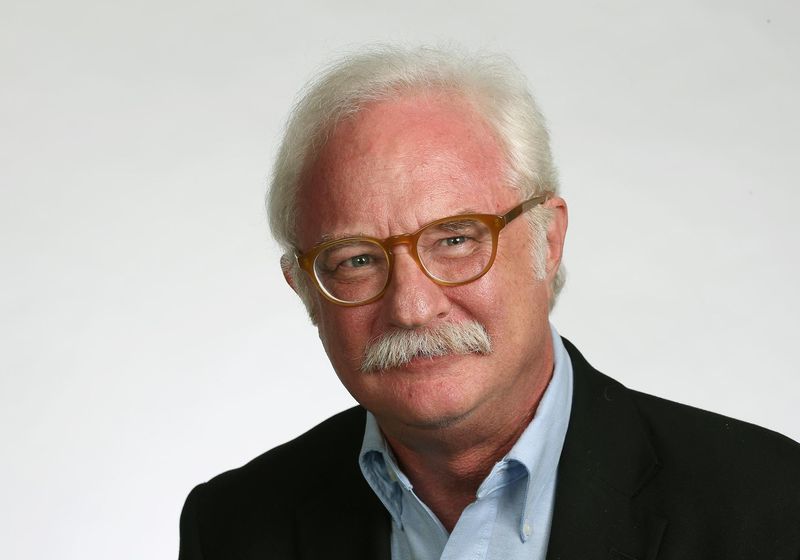
Mark Lane is a News-Journal columnist. His email is mlanewrites@gmail.com.
This article originally appeared on The Daytona Beach News-Journal: Dyslexics for president! And for leaders in general
Reporting by Mark Lane, Special to The News-Journal / The Daytona Beach News-Journal
USA TODAY Network via Reuters Connect