

Cases of a foodborne gastrointestinal disease caused by a microscopic parasite are increasing in Florida and across the country, according to state and federal health officials.
Cyclosporiasis cases usually increase in the summer, from May1 through Aug. 31, but there has been a significant rise in the number of cases this year in Florida and across the country.

The Florida Department of Health has received reports of two cases of cyclosporiasis in Alachua County since June 1, up from zero cases last year, and 94 cases across the state, nearly double the number of cases reported last summer.
Cyclosporiasis causes extreme diarrhea, among other symptoms, which can appear two days to two weeks after infection. According to health officials, these symptoms can lead to severe dehydration, putting people at risk of kidney damage, which can require hospitalization.
Common symptoms include:
What causes cyclosporiasis and how is it contracted?
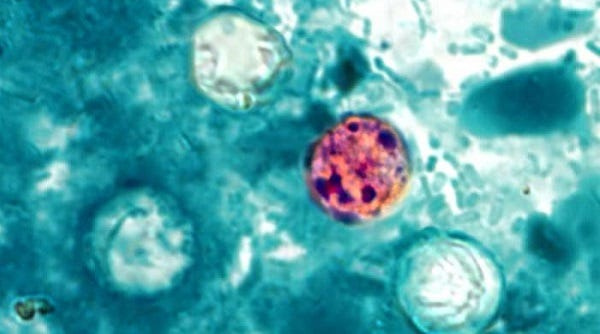
Cyclosporiasis is caused by the parasite Cyclospora cayetanensis. People become infected by eating food, usually produce such as leafy greens, fruits and herbs, or drinking water contaminated with feces carrying the parasite.
Past outbreaks of the disease in the U.S. have been linked to raspberries, basil, cilantro, snow peas, cabbage, parsley, broccoli, sugar snap peas, and leafy greens.
Health officials believe that the parasite is unlikely to spread directly from person to person because it needs days to weeks after being passed in feces before it becomes infectious.
How do I protect myself from contracting the disease?
What do I do if I contract the disease?
The CDC encourages people with symptoms of cyclosporiasis to visit their doctor.
The disease can be treated with the antibiotic trimethoprim-sulfamethoxazole, sold as Bactrim, Septra, or Cotrim. Health officials also recommend people experiencing diarrhea rest and drink plenty of fluids.
Most people with healthy immune systems will recover from cyclosporiasis without treatment. But, if not treated, people may be sick anywhere from a few days to a month or longer. People with poor immune systems may be at a higher risk for severe or extended illness.
What’s happening in the rest of the country?
The CDC, as of July 13, has received reports of 1,645 confirmed cases of cyclosporiasis across 34 states and 141 reported hospitalizations. But the CDC believes cases will likely rise as more than 5,100 cases have been reported but not yet confirmed.
There have been no reported deaths.
The CDC alongside state and federal agencies, including the Food and Drug Administration, are investigating an outbreak of cyclosporiasis in Indiana, Kentucky, Michigan, Ohio and West Virginia. linked to shredded iceberg lettuce from Mexico served at certain Taco Bell restaurants in those states.
USA TODAY previously reported that Taco Bell removed the ingredient from one of its suppliers in some states as a result of findings from health officials’ investigation.
This article originally appeared on The Gainesville Sun: Cyclosporiasis cases rising in Florida; two reported in Alachua County
Reporting by Chelsea Long, Gainesville Sun / The Gainesville Sun
USA TODAY Network via Reuters Connect
By Chelsea Long, Gainesville Sun | USA TODAY Network
