A proposed tax ballot measure, designed to infuse Victorville with nearly $29 million per year for increased public safety, city services and needed improvements, was shot down this month.
If approved, the supplemental 1% general transactions and use tax, or sales tax, would have been decided by Victorville voters at the polls during the November 2026 election.

The tax increase would have chipped away at the nearly $865 million in needed infrastructure improvements, public safety and services within the city, staff said.
The opposition
The tax ballot measure needed to be approved by a four-to-five majority vote of the city council, staff said.
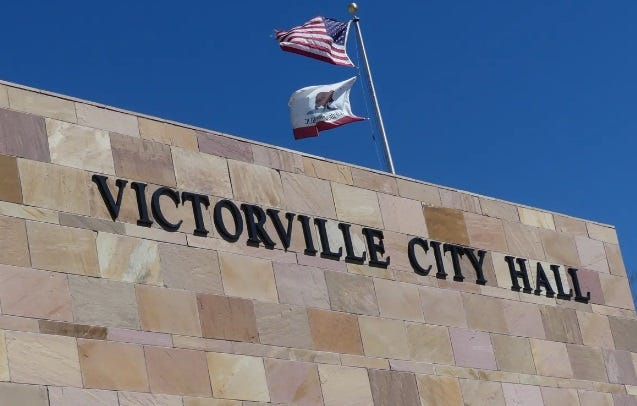
The approval of the ballot measure failed when Mayor Pro Tem Bob Harriman and Councilwoman Corrinne Mora voted no during a public hearing on June 16.
Mora said she has expressed concerns with the general tax, which she believes is the easiest route, adding that a special tax might be harder to pass.
“I do support the police department and the fire stations and our infrastructure for the roads, but increasing taxes in a time right now,” when homeowner insurance and utility costs are increasing, makes her feel “uncomfortable,” she said.
Mora also mentioned her uneasiness knowing that the ballot measure would cost the city $260,000, with no guarantee that it would pass.
Harriman said he’s had conversations with members of the community and local business owners about how a new tax increase would impact them.
“Victorville residents might be thinking about how they’d like to improve the roads, but for a lot of people, their first thought is how to afford filling up their tank or paying their mortgage,” he said.
He concluded by saying, “I can’t in good conscience support raising the sales tax this year, and I’ll be a no vote.”
Joining Harriman and Mora in their opposition to the tax ballot measure were several people associated with the local car dealership industry.
Let the voters decide
Meanwhile, Mayor Liz Becerra and council members Leslie Irving and Tiffany Gaudin voted yes on the tax ballot measure, emphasising that the voters should decide its fate.
Gaudin said she’s heard residents complain equally about taxes and poor roadways and infrastructure. She added that she’d like to partner with car dealerships and businesses to discuss how to stay competitive with the “down the hill market.”
“With that being said, we have to listen to our residents as well,” Gaudin said.
Irving advocated for moving the proposal forward.
“This is a very important dialogue, but I think for me, it’s important to allow the community to weigh in on this conversation at the ballot box.”
Becerra echoed Gaudin’s sentiments, adding that before 2020, the city had spoken with car dealerships about launching a local campaign.
“We are going to let our residents vote on this, not just one district, but all five districts,” Becerra said. “Our roadways, our infrastructure is taking a beating from the amount of people that have moved up here in the last 10 years.”
Becerra said if residents are so concerned about the poor infrastructure and roadways, “Then their votes” will reveal how their concerns will be handled.
Tax dollars target ‘deficiencies’
Staff said the new tax would have added to the local sales tax rate currently charged in the city, making the new rate 9.75%.
City Manager Keith Metzler explained how the infusion of new tax revenue would address concerns, previously brought up by staff and residents, about “deficiencies” in the city’s physical infrastructure.
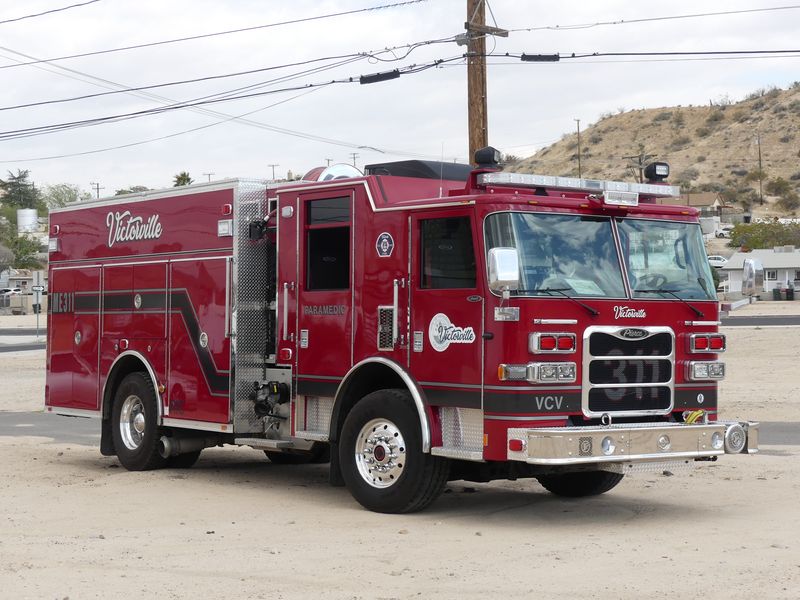
Other concerns were public safety services, including but not limited to police, fire and emergency response. Also, maintaining quality drinking water and other key city services.
Voter sentiment
In November 2025, staff received city council direction to take steps toward placing the general transactions and use sales tax measure on the November 2026 ballot.
In response, city staff recruited a polling firm to evaluate resident voter sentiment regarding needed improvements to the city, mainly caused by “deferred maintenance due to lack of funding.”
On May 19, a staff presentation included the results of an infrastructure needs analysis, which concluded that the price tag to take care of the city’s deficiencies was nearly $865 million.
Metzler summarized his presentation by saying, the city’s infrastructure is “getting worse due to the lack of money resources available.”
The final analysis included a proposed 1% general transactions and use sales tax measure for the city, which won’t appear on the ballot this fall after the council’s recent vote.
Public comment
John Sackrison, the executive director of the “Inland Empire Auto Dealers Association,” said he opposed the proposed tax ballot measure while representing 10 Victorville car dealerships and their 860 employees.
Sackrison told the council that the association commissioned a study to identify the impact on vehicle sales, with the study revealing that 69.7% of consumers said they will avoid making a vehicle purchase in a city that charges a higher sales tax rate.
He also added that the association was able to measure the impact of a city’s 1% sales tax increase on vehicle sales.
“The results have been devastating and resident purchases have decreased anywhere from 28 to 41%,” Sackrison said.
Todd Stokes, the owner/operator of the Valley High Group, told the council that a new tax will not solve the city’s financial situation.
He also cited how a proposed tax would add to the burden of people facing current economic conditions, which include high taxes, increased food prices and people working two jobs.
Stokes said he’d like to be part of the council’s discussion on a “Plan B” solution to increase revenue to the city.
Measure P
In 2020, Victorville voters approved a one-cent sales tax in the form of Measure P. The measure received 19,280 yes votes or 50.22%, compared to 19,109 nay votes or 49.78%, the Daily Press reported.
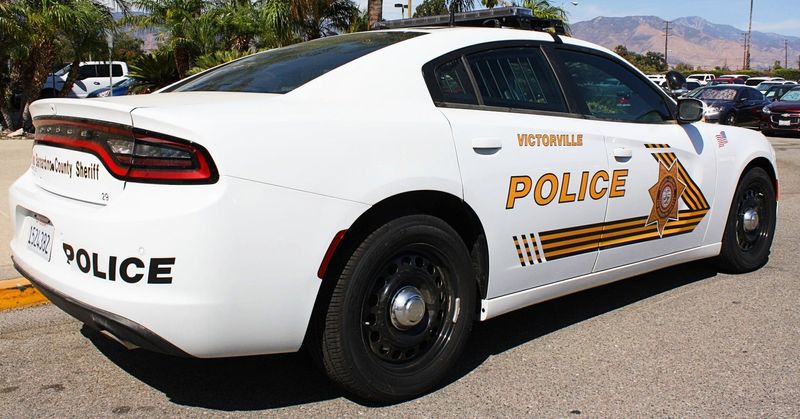
In 2022, the city said Measure P revenue had been used to add 11 sheriff personnel to neighborhood patrols, speed law enforcement response times, and increase traffic enforcement.
City officials said the city also added five code compliance officers to address blight, homelessness and illegal dumping.
Measure P revenue was also used to make several park, recreation, library and community center upgrades and to fund an interim homeless shelter until the city’s Wellness Center Campus began operation in Spring 2023.
Measure P funds also helped the Homeless Engagement Team that canvasses the Victorville community, engaging with the unhoused and connecting them to helpful resources like the Wellness Center.
Daily Press reporter Rene Ray De La Cruz may be reached at RDeLaCruz@VVDailyPress.com. Follow him on X @DP_ReneDeLaCruz
This article originally appeared on Victorville Daily Press: Victorville council duo shoots down tax ballot measure for improvements
Reporting by Rene Ray De La Cruz, Victorville Daily Press / Victorville Daily Press
USA TODAY Network via Reuters Connect
By Rene Ray De La Cruz, Victorville Daily Press | USA TODAY Network