Cases of an intestinal illness linked to a microscopic parasite that can sometimes cause “explosive” diarrhea are growing across 31 states. Is California one of them?
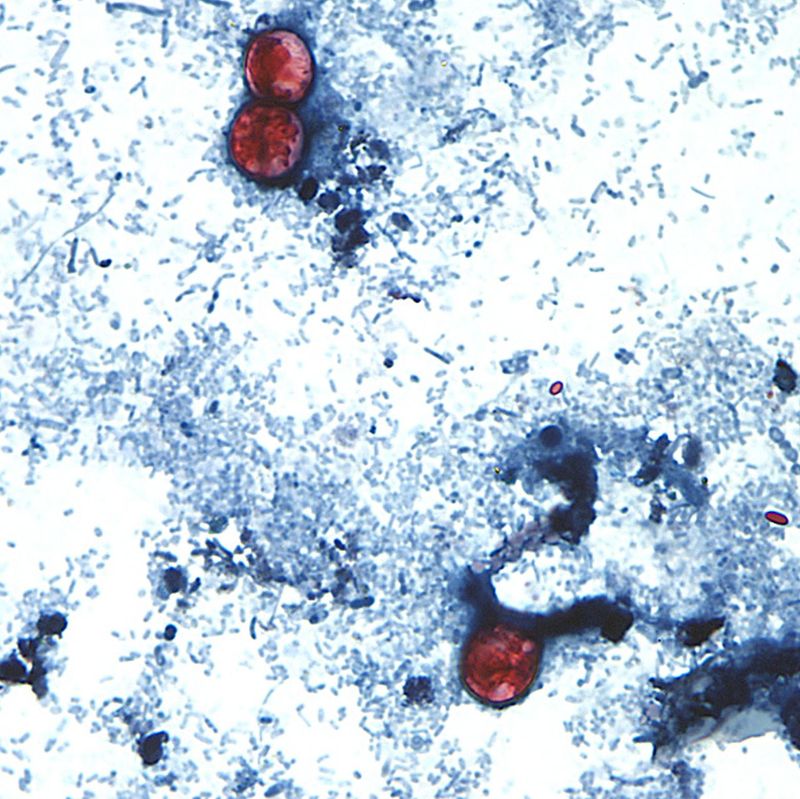
Cyclosporiasis is an intestinal infection caused by the microscopic parasite Cyclospora cayetanensis, and reported cases have risen to nearly 900 nationwide, according to the Centers for Disease Control and Prevention.

There have been 86 hospitalizations and no deaths. Sick people ranged in age from 5 to 88 years, with a median age of 44, and 59% were female.
Additionally, another 343 cases were reported among people who ate or drank food or water that made them sick while traveling outside the United States during the 14 days before they got sick. These cases were reported by 32 states.
What is cyclosporiasis?
Cyclosporiasis is a disease that infects the small intestine and “usually causes watery diarrhea with frequent and sometimes explosive bowel movements,” according to the CDC. It is transmitted via contaminated food or water, direct contact with infected livestock or pets, and person-to-person via the fecal-oral route.
What are symptoms of cyclosporiasis?
Not all people infected with cyclosporiasis show symptoms, but in addition to diarrhea, it commonly causes:
Less common symptoms include vomiting, body aches, headache, low-grade fever and other flu-like symptoms.
The time between infection and becoming sick is typically about a week, but can be as short as two days or as long as two weeks. If left untreated, the illness can last over a month, and symptoms can clear before returning one or more times.
How many cases have been reported in California?
The CDC released an interactive map showing which states have cases, as well as an estimate of the number of cases by state and interval since May 1.
California, has at least one confirmed case as of July 9, according to the CDC. It, along with most states listed, has between 1 and 10 cases.
Michigan has the most cases out of any state, having between 161 and 300 cases, followed by New York with 81 to 160. The Michigan Department of Health and Human Services, however, says the state has seen over 2,000 cases.
What’s the treatment for cyclosporiasis?
Cyclosporiasis is treated with trimethoprim-sulfamethoxazole, which is sold as Bactrim, Septra or Cotrim, according to the CDC.
“If you are allergic to sulfa drugs, talk to your health care provider about other potential options,” the agency adds. “Resting and drinking plenty of fluids is also important for those experiencing diarrhea.”
How to prevent cyclosporiasis
According to the FDOH, the two main ways to prevent cyclosporiasis are to practice good hygiene and avoid contaminated food and drinks.
They note alcohol-based hand sanitizers are not effective against it. Instead, washing hands at key times with soap and water can help prevent infections.
While the current groups of cases have not yet been linked to a singular outbreak or common food item, health officials advised extra caution with foods that have been behind past outbreaks. The following foods should be washed and scrubbed thoroughly with a brush or sponge.
Samantha Neely is a trending reporter for the USA TODAY NETWORK-Florida, covering pop culture, theme parks, breaking news and more. You can get all of Florida’s best content directly in your inbox each weekday by signing up for the free newsletter, Florida TODAY, at https://floridatoday.com/newsletters.
This article originally appeared on Ventura County Star: Parasite infections on more than produce. Any cases in California?
Reporting by Samantha Neely and Ernesto Centeno Araujo, USA TODAY NETWORK / Ventura County Star
USA TODAY Network via Reuters Connect
By Samantha Neely and Ernesto Centeno Araujo, USA TODAY NETWORK | USA TODAY Network