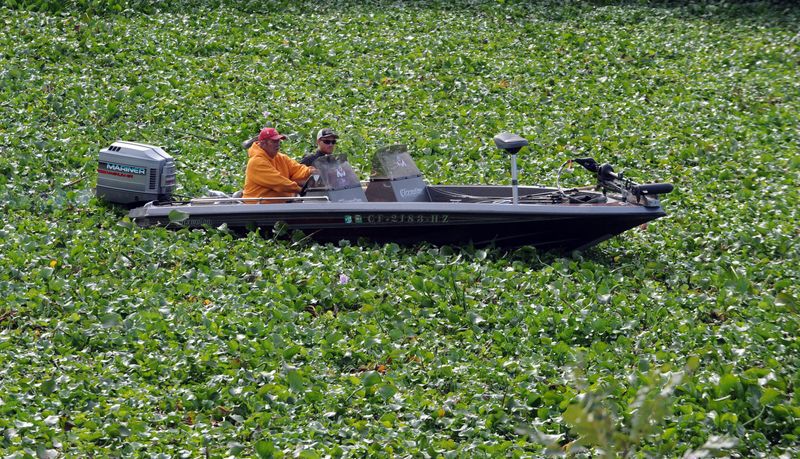
A boat leaves slowly through the water covered with hyacinth leaving the boat dock from Louis Park on their way out Sunday to the Stockton Deep Water Channel on Oct. 25, 2015.
Home » News » National News » California » Invasive plants threaten Delta waterways, treatments begin
California

Invasive plants threaten Delta waterways, treatments begin

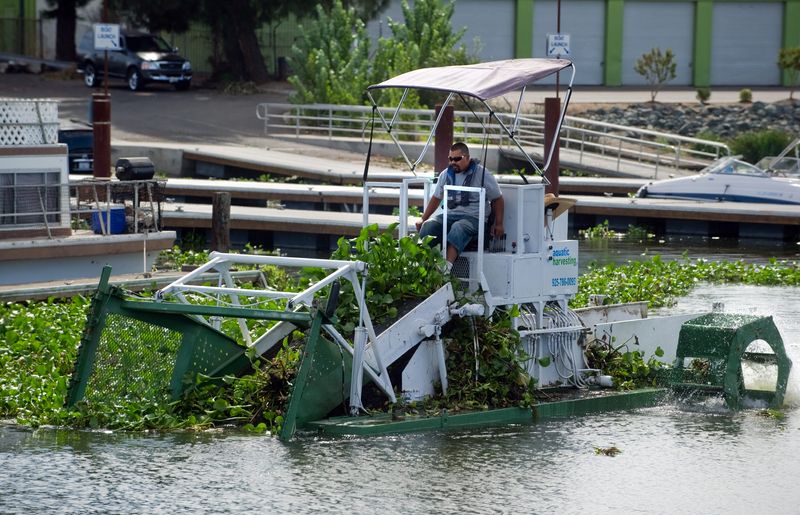
California parks officials will begin another season of herbicide treatments in the Sacramento–San Joaquin Delta later this month, targeting invasive aquatic plants that clog waterways, threaten boaters and disrupt marinas and irrigation systems.

Starting March 19, California State Parks’ Division of Boating and Waterways (DBW) plans to treat thousands of acres across the Delta and its southern tributaries as part of its 2026 control program. The invasive plants include water hyacinth, South American spongeplant, Uruguay water primrose, Alligator weed, Brazilian waterweed, curlyleaf pondweed, Eurasian watermilfoil, coontail, fanwort and ribbon weed. 

Video Thumbnail

These aquatic plants have no known natural controls in the Delta, DBW officials said. Warm temperatures help the plants grow quickly and the plants are known to form dense mats of vegetation, which creates safety hazards for boaters, as well as obstructs navigation channels, marinas and irrigation systems.

Because the plants spread rapidly to new areas, they will likely never be eradicated from Delta waters, DBW officials stated. The agency operates “control” programs as opposed to “eradication” programs.

“DBW continues to work with the public and our local, state and federal partners to continue controlling these aquatic invasive plants to reduce or eliminate the negative impacts on people’s daily lives and businesses,” DBW Deputy Director Ramona Fernandez said. “The continued use of monitoring and technology allows DBW to continue focusing on the areas that best help DBW manage the challenges.”

The public may view the public notices and sign up to receive weekly updates on this year’s treatment season on DBW’s website.

DBW also provided a list of proposed control actions for the 2026 treatment season:

Floating Aquatic Vegetation Control Program

Invasive species: Water hyacinth, South American spongeplant, Uruguay water primrose and alligator weed.

Herbicide Control

Submersed Aquatic Vegetation Control Program

Invasive species: Brazilian Waterweed, curly leaf pondweed, Eurasian watermilfoil, coontail, ribbon weed and fanwort.

Herbicide Control

Last year, DBW treated 2,228 acres of floating aquatic vegetation and 1,464 acres of submersed aquatic vegetation.

To report sightings, subscribe for program updates or for more information regarding the control program, connect with us online at dbw.ca.gov/AquaticInvasiveSpecies, via email at AIS@parks.ca.gov or by phone (888) 326-2822.

This article originally appeared on The Record: Invasive plants threaten Delta waterways, treatments begin

Reporting by Sheyanne N Romero, The Stockton Record / The Record

USA TODAY Network via Reuters Connect
Image

Image

Related posts

Leave a Comment

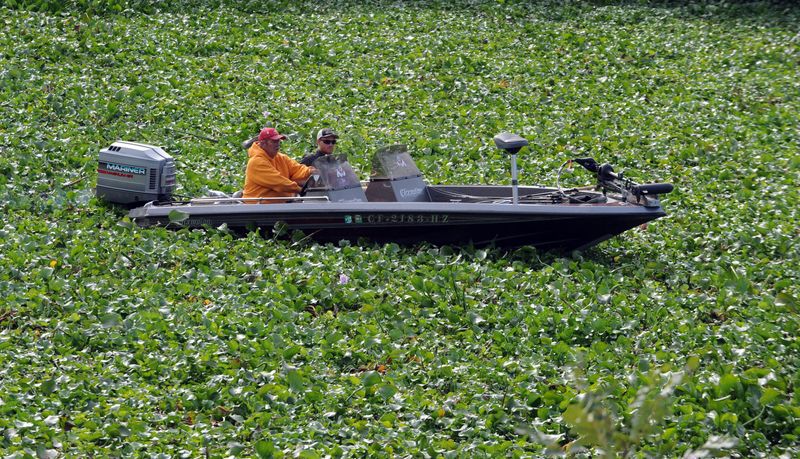
A boat leaves slowly through the water covered with hyacinth leaving the boat dock from Louis Park on their way out Sunday to the Stockton Deep Water Channel on Oct. 25, 2015.
Home » News » National News » California » Invasive plants threaten Delta waterways, treatments begin
California

Invasive plants threaten Delta waterways, treatments begin

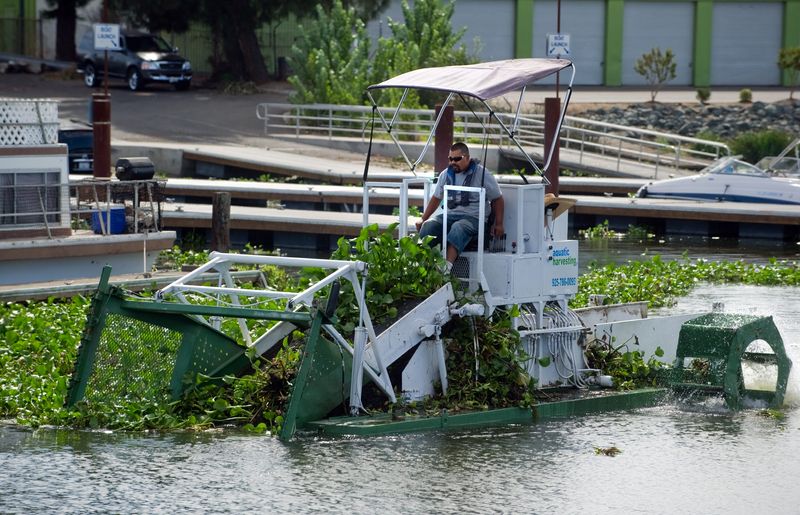
California parks officials will begin another season of herbicide treatments in the Sacramento–San Joaquin Delta later this month, targeting invasive aquatic plants that clog waterways, threaten boaters and disrupt marinas and irrigation systems.

Starting March 19, California State Parks’ Division of Boating and Waterways (DBW) plans to treat thousands of acres across the Delta and its southern tributaries as part of its 2026 control program. The invasive plants include water hyacinth, South American spongeplant, Uruguay water primrose, Alligator weed, Brazilian waterweed, curlyleaf pondweed, Eurasian watermilfoil, coontail, fanwort and ribbon weed. 

Video Thumbnail

These aquatic plants have no known natural controls in the Delta, DBW officials said. Warm temperatures help the plants grow quickly and the plants are known to form dense mats of vegetation, which creates safety hazards for boaters, as well as obstructs navigation channels, marinas and irrigation systems.

Because the plants spread rapidly to new areas, they will likely never be eradicated from Delta waters, DBW officials stated. The agency operates “control” programs as opposed to “eradication” programs.

“DBW continues to work with the public and our local, state and federal partners to continue controlling these aquatic invasive plants to reduce or eliminate the negative impacts on people’s daily lives and businesses,” DBW Deputy Director Ramona Fernandez said. “The continued use of monitoring and technology allows DBW to continue focusing on the areas that best help DBW manage the challenges.”

The public may view the public notices and sign up to receive weekly updates on this year’s treatment season on DBW’s website.

DBW also provided a list of proposed control actions for the 2026 treatment season:

Floating Aquatic Vegetation Control Program

Invasive species: Water hyacinth, South American spongeplant, Uruguay water primrose and alligator weed.

Herbicide Control

Submersed Aquatic Vegetation Control Program

Invasive species: Brazilian Waterweed, curly leaf pondweed, Eurasian watermilfoil, coontail, ribbon weed and fanwort.

Herbicide Control

Last year, DBW treated 2,228 acres of floating aquatic vegetation and 1,464 acres of submersed aquatic vegetation.

To report sightings, subscribe for program updates or for more information regarding the control program, connect with us online at dbw.ca.gov/AquaticInvasiveSpecies, via email at AIS@parks.ca.gov or by phone (888) 326-2822.

This article originally appeared on The Record: Invasive plants threaten Delta waterways, treatments begin

Reporting by Sheyanne N Romero, The Stockton Record / The Record

USA TODAY Network via Reuters Connect
Image

Image

Related posts

Leave a Comment

A boat leaves slowly through the water covered with hyacinth leaving the boat dock from Louis Park on their way out Sunday to the Stockton Deep Water Channel on Oct. 25, 2015.
Home » News » National News » California » Invasive plants threaten Delta waterways, treatments begin
California

Invasive plants threaten Delta waterways, treatments begin

California parks officials will begin another season of herbicide treatments in the Sacramento–San Joaquin Delta later this month, targeting invasive aquatic plants that clog waterways, threaten boaters and disrupt marinas and irrigation systems.

Starting March 19, California State Parks’ Division of Boating and Waterways (DBW) plans to treat thousands of acres across the Delta and its southern tributaries as part of its 2026 control program. The invasive plants include water hyacinth, South American spongeplant, Uruguay water primrose, Alligator weed, Brazilian waterweed, curlyleaf pondweed, Eurasian watermilfoil, coontail, fanwort and ribbon weed. 

Video Thumbnail

These aquatic plants have no known natural controls in the Delta, DBW officials said. Warm temperatures help the plants grow quickly and the plants are known to form dense mats of vegetation, which creates safety hazards for boaters, as well as obstructs navigation channels, marinas and irrigation systems.

Because the plants spread rapidly to new areas, they will likely never be eradicated from Delta waters, DBW officials stated. The agency operates “control” programs as opposed to “eradication” programs.

“DBW continues to work with the public and our local, state and federal partners to continue controlling these aquatic invasive plants to reduce or eliminate the negative impacts on people’s daily lives and businesses,” DBW Deputy Director Ramona Fernandez said. “The continued use of monitoring and technology allows DBW to continue focusing on the areas that best help DBW manage the challenges.”

The public may view the public notices and sign up to receive weekly updates on this year’s treatment season on DBW’s website.

DBW also provided a list of proposed control actions for the 2026 treatment season:

Floating Aquatic Vegetation Control Program

Invasive species: Water hyacinth, South American spongeplant, Uruguay water primrose and alligator weed.

Herbicide Control

Submersed Aquatic Vegetation Control Program

Invasive species: Brazilian Waterweed, curly leaf pondweed, Eurasian watermilfoil, coontail, ribbon weed and fanwort.

Herbicide Control

Last year, DBW treated 2,228 acres of floating aquatic vegetation and 1,464 acres of submersed aquatic vegetation.

To report sightings, subscribe for program updates or for more information regarding the control program, connect with us online at dbw.ca.gov/AquaticInvasiveSpecies, via email at AIS@parks.ca.gov or by phone (888) 326-2822.

This article originally appeared on The Record: Invasive plants threaten Delta waterways, treatments begin

Reporting by Sheyanne N Romero, The Stockton Record / The Record

USA TODAY Network via Reuters Connect

Image

Image

Related posts

Leave a Comment