A Siskiyou County filmmaker and history buff — whose films publicized the contributions of Black Northern Californians from the Gold Rush to modern times — wants to build a Black history museum in Weed, north of Mount Shasta.
Mark Oliver is at the helm of the Lincoln Heights Museum and Cultural Center project. Made up of community members, the collective’s purpose is to “conserve and protect” the legacy of Weed’s century-old Black neighborhood called Lincoln Heights, said Oliver, and of its residents’ historically overlooked contributions.

The new museum will include an archive of videos, digitized photos, census records and documents saved from the 2022 Mill Fire that burned more than two-thirds of the historic neighborhood. It will also include a record of oral histories from Lincoln Heights residents and either a permanent or mobile public exhibit.
“We are getting a state-of-the-art genealogy research station donated. I am sure it will evolve with more regional history,” Oliver said.
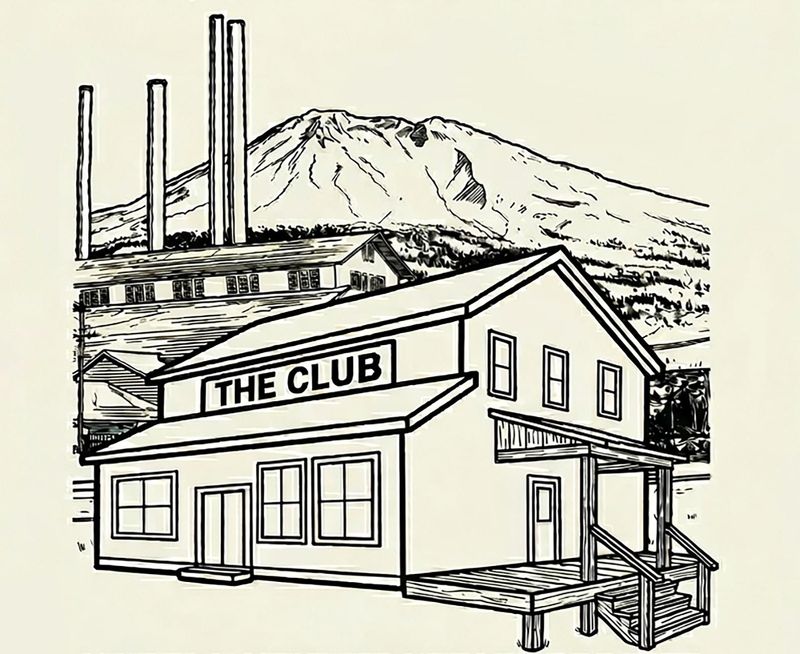
He estimates the project’s price tag at around $500,000. That includes the cost of the grassy lot that was once home to a historic social club for Lincoln Heights’ Black community.
“We are getting (money) from funds set aside from the Mill Fire recovery (settlement) in Weed,” Oliver said, and other philanthropic organizations pledged help.
The Lincoln Heights Historical Collective will also host a fundraiser in late May to help pay for the project.
Commemorating California’s oldest continuously used Black settlement
Originally dubbed ‘the Quarters’, historians regard Weed’s Lincoln Heights neighborhood as one of the oldest Black settlements — if not the oldest — west of the Mississippi.
Its original settlers were Black families who migrated from southern states to work in Northern California’s lumber industry.
Southern lumber and timber companies moved to the West in the early 1900s, many bringing their workers with them. By the 1930s, Weed, McCloud and other far Northern California towns were home to Black communities.
Weed’s was the only one of those communities still established 90 years later, historians said. The Lincoln Heights community survived segregation into the 1960s and systemic racist hiring practices into the late 20th century.
Oliver and then retired teacher and historian James Langford of Weed put a spotlight on the community starting in 2011 with their 1.5-hour documentary “From the Quarters to Lincoln Heights”. The film’s content drew from archival research and interviews with dozens of Siskiyou County residents.
The Mill Fire devastated the Lincoln Heights community in 2022, destroying more than two thirds of the neighborhood, other parts of Weed and the rural town’s surrounding areas.
Started on Sept. 2 at the Roseburg Forest Products veneer mill, the Mill Fire burned a total of 3,935 acres in and around the rural Interstate 5 town, according to the California Department of Forestry and Fire Protection. It damaged or destroyed 144 structures, displaced roughly 600 people and was tied to two fatalities and three injuries.
Oliver said the community collective started “in the wake of the fire” to safeguard the community’s remaining artifacts and record the oral histories of Lincoln Heights’ residents.
Note to readers: If you appreciate the work we do here at the Redding Record Searchlight, please consider subscribing yourself or giving the gift of a subscription to someone you know.
If you go: Lincoln Heights Historical Collective fundraiser dinner
Jessica Skropanic is a features reporter for the Record Searchlight/USA Today Network. She covers science, arts, social issues and news stories. Follow her on Twitter @RS_JSkropanic and on Facebook. Join Jessica on Record Searchlight Facebook groups Get Out! Nor Cal , Today in Shasta County and Shaping Redding’s Future. To support and sustain this work, please subscribe today. Thank you.
This article originally appeared on Redding Record Searchlight: California’s oldest Black neighborhood in Weed could be home to museum
Reporting by Jessica Skropanic, Redding Record Searchlight / Redding Record Searchlight
USA TODAY Network via Reuters Connect