The announcement of a New World screwworm case detected in the U.S. should not be a concern for Wisconsin farmers, but vigilance is encouraged anyways.
Current risks for a Wisconsin infestation are very low. New World screwworms prefer tropical environments and only spreads with the movement of animals.

Still, the Wisconsin Department of Agriculture, Trade and Consumer Protection is advising farmers on how to prepare.
The main message for animal handlers in Wisconsin: Be extra vigilant during any animal intakes or post-travel inspections.
New World screwworms host onto any warm-blooded animals with open wounds. While the main concern is for cattle, New World screwworms can also target pets, wildlife and humans.
The U.S. Food & Drug Administration advises that New World screwworms can seriously damage and often kill infested animals.
What is the New World Screwworm?
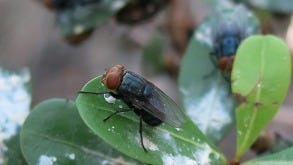
New World screwworms are a fly that feeds on living tissue of animals.
The New World screwworm was eradicated from the U.S. in 1966 and Central America by 2001. In 2023, another outbreak started in Panama and has moved up into Mexico.
On June 3, the U.S. Department of Agriculture detected the first new U.S. case of New World screwworm in a 3-year-old calf from Zavala County, Texas. Multiple other detections were made in parts of Mexico less than 30 miles from the US border.
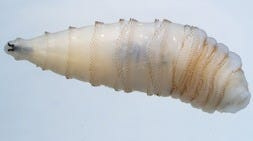
Female flies lay eggs into living tissue. After about 7 days of feeding, the larvae drop to the ground and into soil for pupation. Flies can emerge 7-54 days after dropping.
In March 2025, The Trump administration cut grant programs from the U.S. Agency of International Development meant to monitor and contain New World screwworms in Central America.
What are the signs an animal has been infested by New World Screwworm?
New World Screwworm larvae burrow deep into open wounds, making infestations hard to catch until symptoms get bad.
Animal handlers should watch out for:
The Wisconsin Department of Agriculture, Trade and Consumer Protection encourages swift reporting if an animal is suspected of infestation.
Handlers can report infestations to one of the Department’s district veterinarians. Anyone can report sick or dead wildlife to the Department of Natural Resources as well.
Treatments for New World screwworm infestations exist under recent FDA emergency authorizations. The FDA has an online list of treatments and preventions on its website.
Should consumers be worried about New World Screwworm?
There are some implications to grocery prices if New World screwworm gets out of control, but people should not be concerned about personal health.
New World screwworms only feed on living tissue and lay eggs in open wounds, not meat or other animal products.
Culling infested animals is not necessary. Infested animals are put on quarantine until issues subside and there is no evidence of reinfestation.
If an infested animal has to be killed, it is inspected for larvae. Severely infested animals are not allowed into food production.
This article originally appeared on Milwaukee Journal Sentinel: Wisconsin farms at low risk for New World screwworm, but should watch for these signs
Reporting by Caden Perry, Milwaukee Journal Sentinel / Milwaukee Journal Sentinel
USA TODAY Network via Reuters Connect
By Caden Perry, Milwaukee Journal Sentinel | USA TODAY Network