In one of the most-watched races nationwide, Zohran Mamdani won the New York City mayoral election Nov. 4, becoming the city’s first Democratic socialist mayor.
Socialist mayors aren’t new to Milwaukee, though. The city has a history of being led by them — for almost four decades of the 20th century, in fact.

Here’s a look at Milwaukee’s three socialist mayors and their tenures:
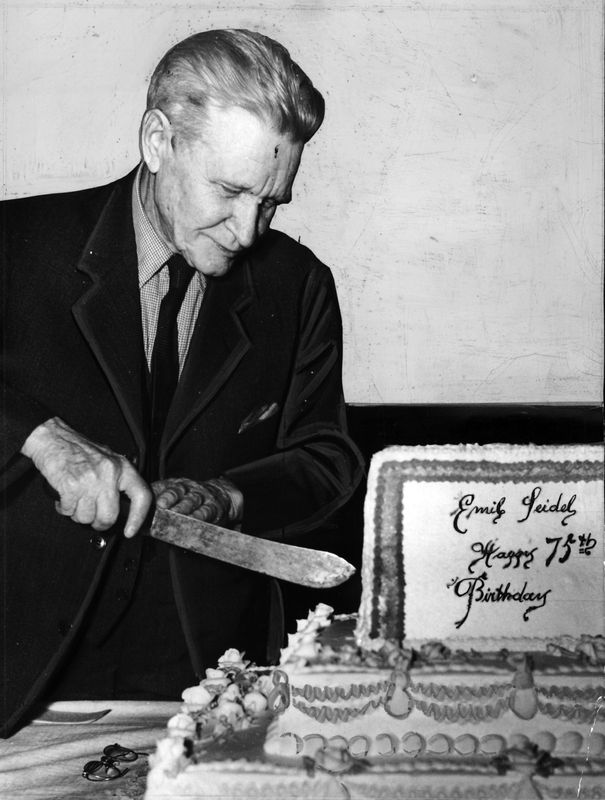
Emil Seidel
In office: 1910-12
How he got in: An alderman and former patternmaker, Seidel won a landslide victory, with socialists winning a majority of Common Council seats, too.
Highlights: Seidel is credited with establishing a Public Works Department, Fire and Police Commission and park system in the city. His administration commissioned what would become a small library of studies that addressed municipal problems, from garbage collection to public health. He once called his party’s platform “clean fun, music, dance, song and joy for all.”
How he left: Seidel lost his re-election bid to Gerhard Bading, a candidate with the Fusion Party, a Republican-Democratic coalition. Later in 1912, Seidel ran as Eugene V. Debs’ vice president on the Socialist ticket.
Lasting traces: In 2017, Historic Milwaukee volunteer Bob Giese raised $2,700 for a granite and bronze marker for Seidel’s grave at Lincoln Memorial Cemetery.
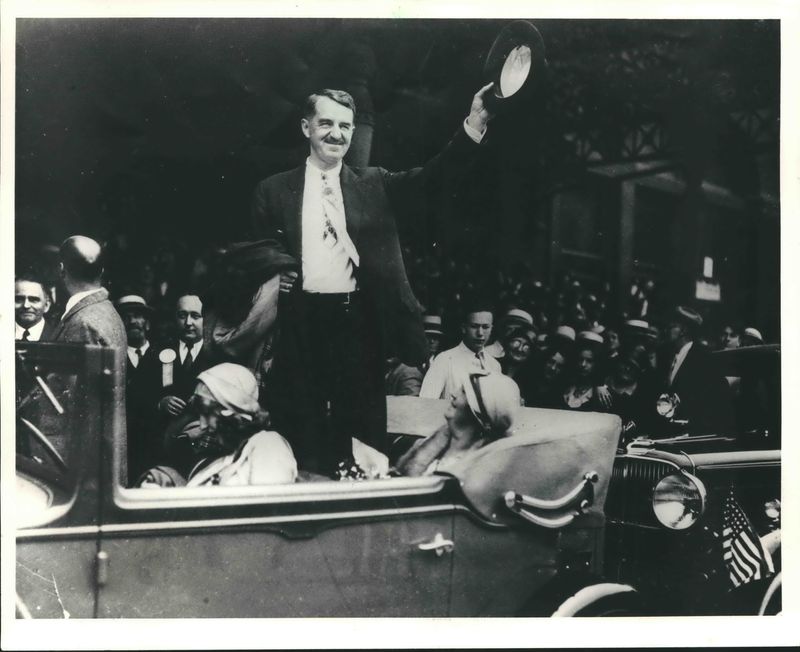
Dan Hoan
In office: 1916-40
How he got in: Running as a socialist candidate, he defeated incumbent Bading.
Highlights: In his tenure, city finances were stabilized, Milwaukee was named “healthiest city” three years running, and Hoan became known nationally as a reformer and a royalty-hater. He drew national headlines for refusing to greet the king and queen of Belgium when they visited the city.
How he left: He was upset in an election by political novice Carl Zeidler.
Lasting traces: Before it was even connected to the rest of Interstate 794, the Daniel Webster Hoan Bridge opened to traffic in 1977.
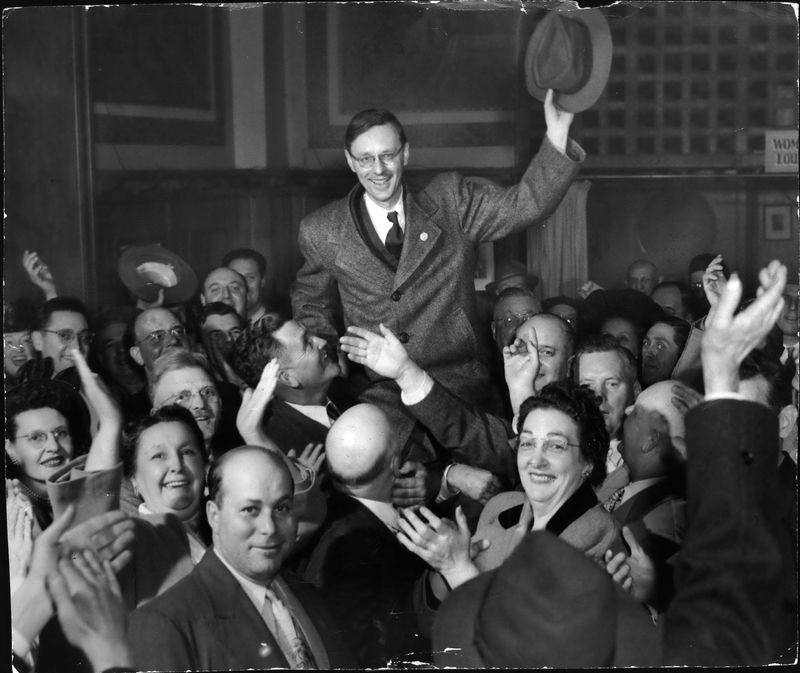
Frank Zeidler
In office: 1948-60
How he got in: In the first open election for the mayor’s office in decades, Zeidler, a socialist, defeated Henry Reuss. (Reuss was elected to Congress in 1954, and served until 1983.)
Highlights: Zeidler pushed annexation of surrounding towns, nearly doubling the city’s size. He also promoted the development of more public housing and was an early advocate of freeway construction.
How he left: Zeidler decided not to run for re-election in 1960. He remained active in socialist politics and was the Socialist Party’s candidate for president in 1976.
Lasting traces: The city’s main administrative building, 841 N. Broadway, was renamed the Frank P. Zeidler Municipal Building in 1995.
Much of this story comes from a story by former Journal Sentinel editor Chris Foran that was first published in 2021.
This article originally appeared on Milwaukee Journal Sentinel: While New York City just elected first socialist mayor, Milwaukee’s had 3 of them
Reporting by Chris Foran, Milwaukee Journal Sentinel / Milwaukee Journal Sentinel
USA TODAY Network via Reuters Connect