In the past two years, demand at Milwaukee-area pantries has risen by over 50%, highlighting the strain that rising housing costs, grocery prices, and overall cost of living have put on our community. For many, food is the first thing to skip to keep a roof over their child’s head or afford their medication.
In recent years, food assistance models have evolved remarkably – and with good reason. Gone are the days when families in need receive a pre-packed box of whatever is on hand or can be salvaged. Instead, a more responsive and health-conscious approach has emerged – and it has transformed food access.

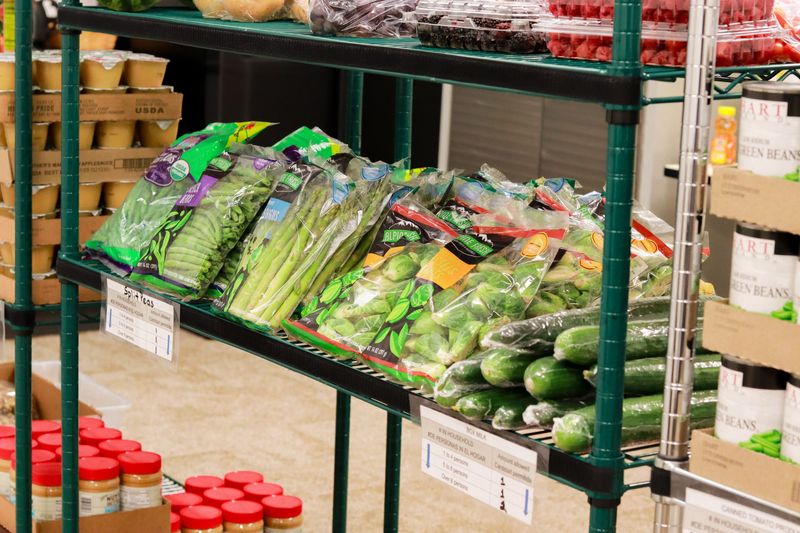
First, let’s talk about choice. Many pantries now operate shopping-style models. Instead of “take what you’re given,” people walk through and choose items that suit their household needs. This isn’t just about preference; it’s about dignity. When individuals find themselves in crisis, being handed a pre-selected box of food can underscore feelings of vulnerability and reinforce a lack of control.
In contrast, the shift toward choice-style pantry operations empowers them to make their own selections. It restores a sense of dignity, giving people the same autonomy they would have at a grocery store and reinforces the psychological importance of making choices for oneself. When a mother can choose the foods her children will eat, a diabetic can pick foods that fit their diet, or an older adult can select foods they are familiar with, it’s a powerful shift toward agency and respect.
Food pantries have evolved, but choice alone isn’t enough
Hunger Task Force supports our partners with the food and resources to adopt this model throughout our community and encourages our hunger relief partners to select the healthy foods they want to stock their shelves with from a monthly menu. This ensures pantry shelves are packed with healthy foods clients want.
Choice alone isn’t enough. Health has also come into focus. Pantries prioritize fresh produce, lean proteins, and whole grains. Eating healthy is objectively more expensive and a luxury that many low-income families desire but cannot afford. The Consumer Price Index shows the price of food has risen 3% in the last 12 months. Fresh produce and healthy options are increasingly out of reach for low-income families and older adults.
To address this, Hunger Task Force forges partnerships with local farms and producers, ensuring a steady supply of fresh, seasonal options for our statewide hunger relief network while supporting small businesses and the local economy. Donor funds purchase truckloads of healthy foods. Junk food is never distributed through our food bank nor anything expired or damaged.
Nutrition education has become a key component of our programming, offering cooking demonstrations, recipes, and meal planning workshops to help individuals and families make the most of the ingredients they have access to. By emphasizing health alongside choice, these initiatives are not only feeding people today but also tackling long-term health disparities.
Access to food is transformational. Wraparound services take it further.
Additionally, culturally responsive food options are bountiful to ensure that healthy eating isn’t just accessible, but also familiar, welcoming, and considerate of people’s religion and heritage. When someone finds familiar, nourishing foods during their time of need, we show compassion by honoring their identity.
This evolution isn’t merely logistical. We believe that access to food is transformational. That’s why we cannot stop at food alone. Many food pantries now offer wraparound resources by connecting people to job training, health services, or housing assistance. Access to food isn’t solely about nourishment today. It’s often the doorway to future stability, and sometimes you need a neighbor to hold the door for you.
When we give people choice, prioritize health and respect culture, we build a stronger community. Let’s keep that evolution going and support local food assistance efforts that prioritize empowerment, because when we nourish both body and agency, we create lasting change. Let’s also invest in a future where food assistance is a bridge towards a healthier community with justice for all.
Matt King is CEO of Hunger Task Force.
This article originally appeared on Milwaukee Journal Sentinel: Milwaukee food banks have evolved. Help us help even more. | Opinion
Reporting by Matt King, Special to Milwaukee Journal Sentinel / Milwaukee Journal Sentinel
USA TODAY Network via Reuters Connect