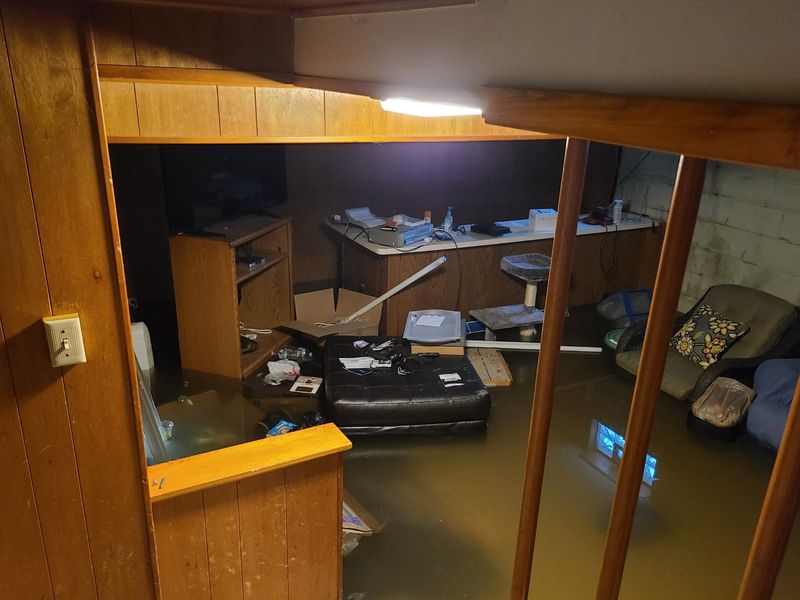
Some Milwaukee residents are beginning a long clean-up process Aug. 11 after historic rainfall flooded homes across southeast Wisconsin over the weekend.
If you’re clearing out a flooded basement or sorting through wet items, there are several steps officials recommend taking to stay safe and minimize damage to your home.

Here’s what to know about post-flood clean-up, including how to tackle a flooded basement:
What should I do before cleaning a flooded basement?
Before you begin cleaning out a flooded area, there are several safety precautions you need to take.
Do not enter a flooded basement until you are certain the electricity in your home is off, the Milwaukee Department of Public Works says. You should also ensure children do not have access to the area.
Once it is safe to enter the flooded area, here’s are some other safety checks DPW recommends:
How to clean a flooded basement:
Here are the initial steps you should take to clean and sterilize a flooded basement, according to DPW:
How to clean up mold after flooding:
Flooding can create the ideal environment for mold to grow in your carpets, furniture or walls, according to the DHS.
To avoid health impacts, you should clean or dispose of wet, flood-damaged items immediately. Even if you can’t see it yet, items that have been wet for two days have mold growing on them.
Here are some tips from DHS to properly clean up mold in a flooded home:
What damaged items can be kept?
Damaged items that can be cleaned and do not soak up water can usually be saved, the U.S. Environmental Protection Agency says.
Here are common items you can keep after cleaning, according to the EPA:
Here are some items that may be salvaged, but should be evaluated on a case-by-case basis, the EPA says:
Additionally, the Wisconsin DHS says you can keep the following food items:
Prepared, canned baby formula that doesn’t require water should be used, DHS says.
What damaged items should be thrown away?
The EPA says you should discard items that can’t be cleaned and dried, including:
Moreover, the Wisconsin DHS says the following food items should be discarded:
How can I store or dispose of damaged items?
If you’ve had items damaged by floodwaters, you can drop them off at the city’s two drop off centers with waived fees through Aug. 17. They’re located at:
The centers operate from 7 a.m. to 3 p.m. Tuesday through Sunday. You can find out more information online at https://city.milwaukee.gov/sanitation/DropOff.
You can also request a bulky item pickup through the city. To do so, call 414-286-CITY or request online at milwaukee.gov/clickforaction.
If you need a dry place to store belongings, U-Haul facilities are offering 30 days of free storage to Milwaukee flood victims. Contact any of the 11 U-Haul locations in the Milwaukee area to arrange storage services.
Milwaukee-area cleanup companies:
Here are some local companies you can reach out to for restoration and cleanup assistance:
This article originally appeared on Milwaukee Journal Sentinel: How to clean up a flooded basement and prevent mold after Milwaukee floods
Reporting by Cailey Gleeson and Maia Pandey, Milwaukee Journal Sentinel / Milwaukee Journal Sentinel
USA TODAY Network via Reuters Connect