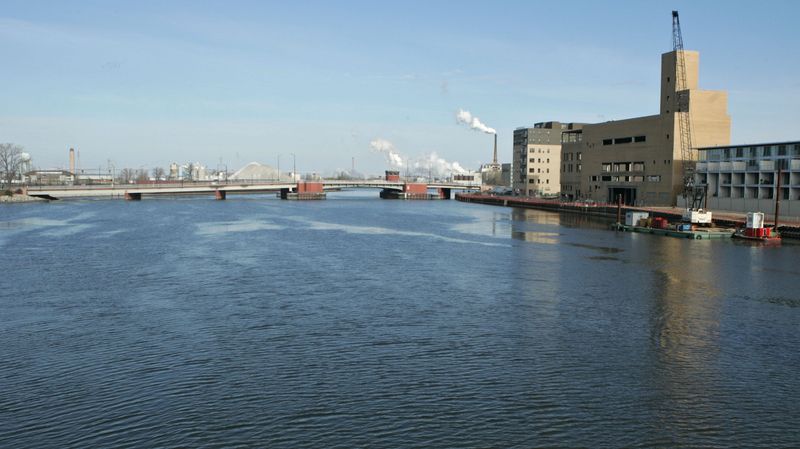
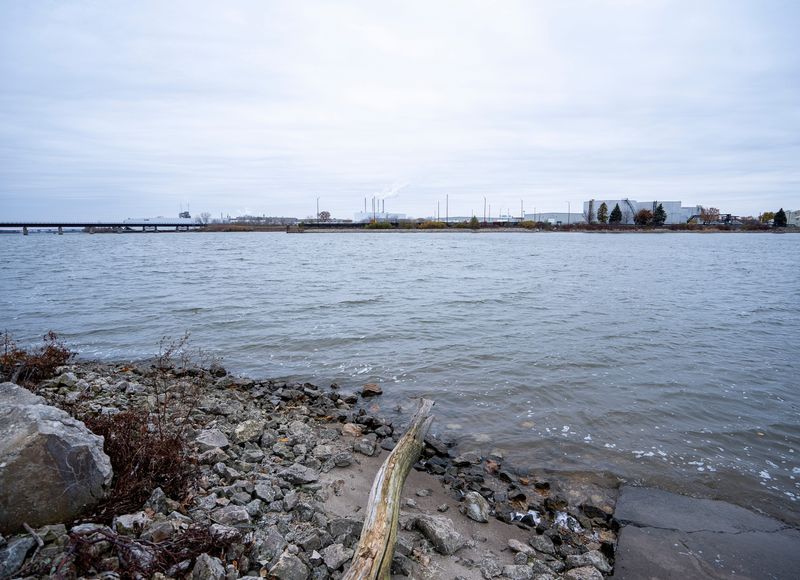
Wisconsin is home to 86,000 miles of rivers and streams, 17,000 lakes and 5 million acres of wetlands.
The state sits near the middle of the pack nationally for toxic releases per square mile, according to Environmental Protection Agency data, yet it still has ongoing pollution battles. About 18% of Wisconsin’s waterways are polluted, and one-fourth of those waters are on a restoration plan, a 2024 Wisconsin Department of Natural Resources report says.

Nearly half of the state’s polluted waterways are impaired by phosphorus or other excess nutrients. Phosphorus is naturally occurring and required for life, but too much can lead to algae blooms harmful to the water ecosystem. Excess phosphorus typically comes from fertilizer, urban areas and wastewater, according to the EPA.
The share of phosphorus-infested waters is even higher among waterways currently being restored, with 65% of restoration projects in the state focused on mitigating phosphorus levels.
In its latest water assessment, the DNR added 85 new bodies of water to its impaired and restoration plan list – and 36 of those were added due to excess phosphorus.
Other new additions included 16 for excess aquatic plants, 10 for E. coli, nine for PFAS, seven for excess algae, four for suspended solids, two for high temperature and one for chloride.
Still, the state’s restoration plans have outpaced the increase in polluted waterways. Among Wisconsin’s polluted waterways, the DNR moved 52 from “impaired” to “in restoration” in the 2024 report, with another 104 skipping the “impaired” category entirely and instead moving to an existing restoration plan.
What polluted waterways are on top of the DNR priority list?
As part of the federal Clean Water Act, the DNR does biannual reports on surface waters across the state and submits the full report to Congress to provide an update on the state’s effort to combat pollution. The latest report, submitted in 2024, is a collection of water quality observations and restoration work updates.
In the DNR’s full assessment, each waterway gets a priority rating for its pollution restoration plan. Here are the Wisconsin rivers considered to be high priority:
What happens after Wisconsin DNR’s water assessments?
The DNR water assessments are not just for data purposes. Once pollution is identified, the agency can start work to implement new standards for the specified waterway.
Approving the new standard is the first step toward requiring polluters to lessen the burden they’re putting on a particular waterway. Once a waterway gets a standard from the DNR, state, local and federal officials can forward the new rule to polluters of the water.
After that, enforcement can take several routes. According to the Environmental Protection Agency, the DNR can add regulatory, non-regulatory or incentive-based clauses for waterway polluters.
This article originally appeared on Milwaukee Journal Sentinel: How polluted are Wisconsin waterways? What DNR data shows
Reporting by Caden Perry, Milwaukee Journal Sentinel / Milwaukee Journal Sentinel
USA TODAY Network via Reuters Connect