(This story has been updated to add new information.)
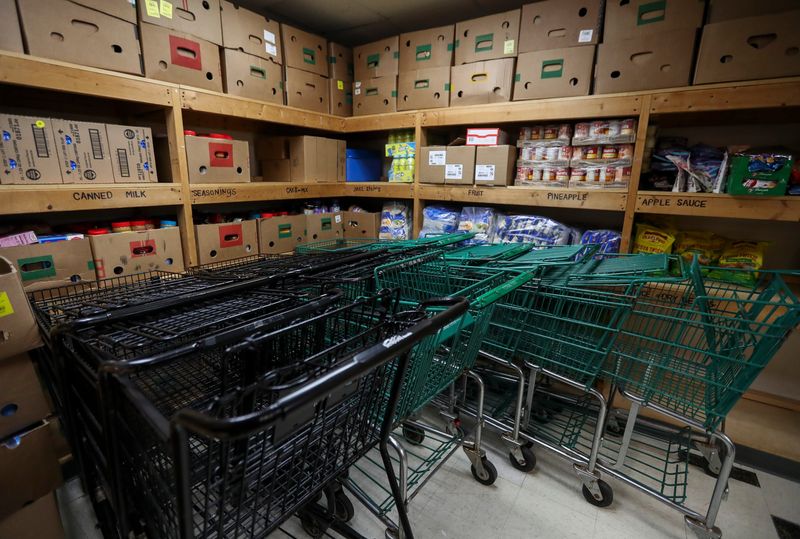
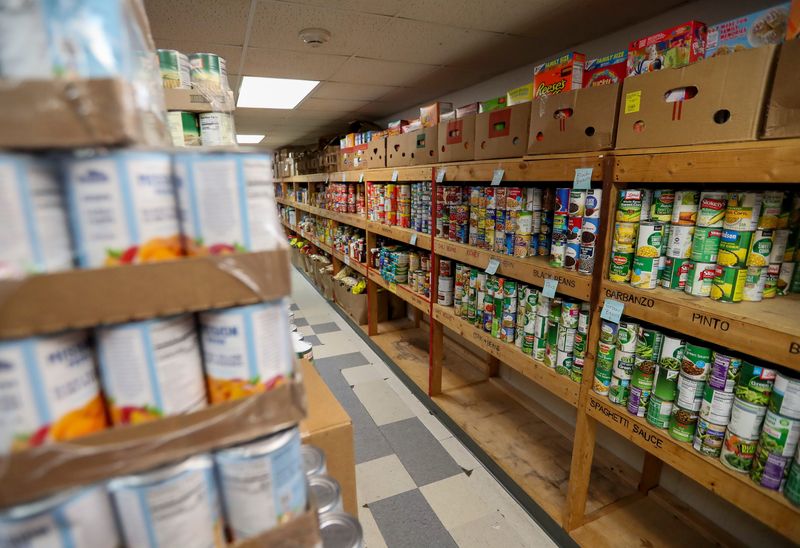
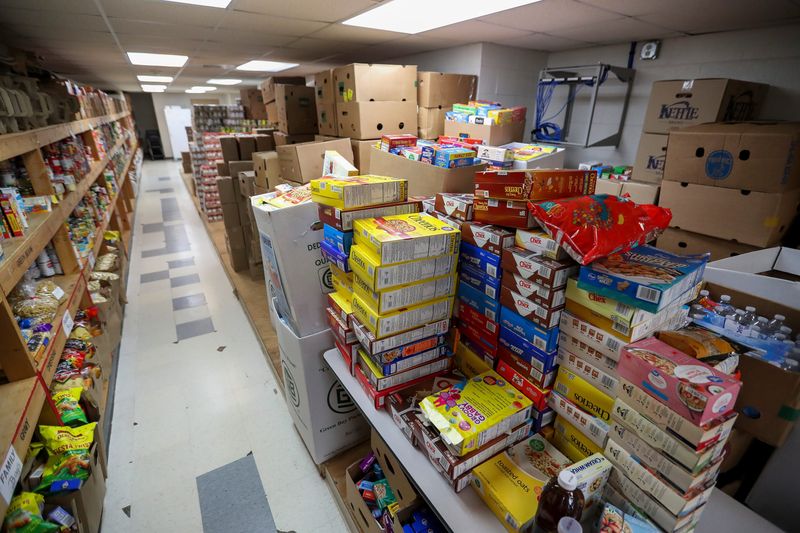
Green Bay-area food pantries are gearing up for what could be an influx of visitors in the coming months following cuts in funding to federal food assistance.

The Supplemental Nutrition Assistance Program, or SNAP, is a federal program that provides financial assistance to low-income families to buy specific foods at designated retailers. It is administered at the state level and is subject to work requirements. FoodShare is Wisconsin’s SNAP Program, also known as food stamps.
President Donald Trump’s spending bill passed earlier this month makes cuts to SNAP and changes eligibility requirements for nearly 90,000 Wisconsinites, according to the Wisconsin Department of Health Services, as about 700,000 people in Wisconsin receive benefits through FoodShare.
Some Green Bay-area food pantries are expecting the demand for food to go up for families who could see a deduction in their FoodShare benefits under the new law. It comes at a time when local food banks are already hitting record pounds of food leaving their shelves, but the pantries say they are prepared to help.
How will FoodShare benefits change?
About one in eight people received assistance through SNAP in 2024 in Wisconsin, according to the Center on Budget and Policy Priorities.
In Brown County, the program served over 27,000 people in 2024, state Department of Health Services data shows. Benefits from the FoodShare program had an economic impact to the area, too — about $52.1 million to Brown County in 2024, according to DHS data.
Brown County residents could see significant changes to their FoodShare benefits under the tax and spending bill passed by Congress this month. Trump’s law expands SNAP’s work requirements to people who were previously exempt from proving they are volunteering, working, or trying to find a job. Those work requirements will now also apply to adults up to age 64, parents with children ages 14-17, people who are homeless, and veterans. It’s unclear when those new rules will go into effect, though cuts to Medicaid and SNAP won’t fully take effect until after midterm elections next year.
It’s still unclear how many people currently in the program will face cuts in Brown County, but up to 75,000 Wisconsinites could lose at least $25 a month based on an analysis by the Urban Institute.
“It’s a significant cut to people in our community,” said Becky Darrow, director of social services at the Salvation Army of Greater Green Bay. “For something as basic as food necessities, a lot of seniors or people’s amount could be $23 for instance but that $23 makes a big difference.”
Wisconsin would have to foot more of the costs of the FoodShare program under the bill that used to be covered by the federal government. The state could have to come up with up to $175 million a year for the program.
Green Bay food pantries, banks brace for more clients
Area food networks worry about what the new requirements will mean for families or individuals who can’t put the paperwork together.
“When the red tape increases and it’s harder for people to figure out how to maintain their benefits and how to cut through all the bureaucracy of the program, we find that people fall off and people aren’t able to keep up with that paperwork,” said Matt Stienstra, director of advocacy and community engagement of Feeding America Eastern Wisconsin.
“We’re going to see an increase in hunger as a result of the federal action,” Stienstra added.
It’s too soon to see the impact of the changes, but some food pantries are already gearing up for a possible rise in clients stopping in for food.
The Salvation Army of Greater Green Bay has been planning for a possible jump in demand down the line. Depending on the volume of families coming in, that could mean adjustments to how many bags of groceries everyone can pick up, offering another pantry day during the week, or putting a call out to the community for more food donations, said Becky Darrow, director of social services at the Salvation Army of Greater Green Bay.
Darrow expects the volume to go up and said the pantry is ready to pivot as needed.
“Even just the initial scare or worry about it, we might see an uptick in the very near future,” Darrow said. “Who knows what that looks like long term.”
Demand for food was already on the rise
As they prepare for another wave of demand, area food pantries were already facing record numbers in recent years. Pantries have been busy meeting the growing need for food from inflation and high grocery bills.
Food banks serve more people than those on FoodShare. Stienstra said the demand has been going up since 2022. Demand is up at food pantries in Feeding America Eastern Wisconsin’s network by 30% in the last two years, he said. In 2024, there were 38,505 household visits across 22 food pantries in Brown County.
The price of food is expected to rise by at least 2% this year, too.
Paul’s Pantry, the largest in Brown County, also continues to see record numbers in the last couple years.
Yet, the pantries’ shelves always continue to keep up with the influx of families thanks to help from the community and expects them to be ready for any changes in the future, said Bob Hornacek, assistant executive director at Paul’s Pantry.
“Whatever happens in the bigger picture with some of these programs, we are happy to serve those who are in need in our community and we trust that the community will take care of them,” Hornacek said.
What can families, individuals on FoodShare do now to prepare?
Timelines for when the new eligibility rules and other changes go into effect aren’t set, but DHS advises anyone on FoodShare to do a couple things to get the most accurate information on any possible changes.
The cuts to the FoodShare program shouldn’t discourage anyone from applying to the program, Stienstra said.
Contact Benita Mathew at bmathew@gannett.com.
This article originally appeared on Green Bay Press-Gazette: Green Bay-area food pantries brace for more demand with FoodShare cuts, but say they are prepared
Reporting by Benita Mathew, Green Bay Press-Gazette / Green Bay Press-Gazette
USA TODAY Network via Reuters Connect