

Editor’s note: The Dyess Air Force Base website and the Abilene Reporter News archives provided plenty of perspective on Abilene’s military history in the development of this article.
Dyess Air Force Base was founded in 1942 originally as the Abilene Army Air Base to support the United States’ efforts in World War II.

The base was opened on Dec. 18, 1942. And in 1943, the base’s name was changed to the Abilene Army Airfield with a mission to serve as a flying training center for cadets.
Known groups that trained at the base during the war include the 77th Reconnaissance Group, 69th Tactical Reconnaissance Group, and 408th Fighter-Bomber Group.
After the conclusion of World War II, the base was declared inactive on Jan. 31, 1946, and sold to the city for $1 million. Then it was used for several years as a training facility for the Texas Army National Guard.
But after the Korean War broke out, the city of Abilene realized a need for a military installation.
City officials believed that the former Abilene Army Airfield would be a perfect site for a new base and took their request to the Pentagon, along with almost $1 million to purchase an additional 3,500 acres adjacent to the site.
In July of 1952, Congress approved $32 million in funding to construct a new base to be called Abilene Air Force Base. After over three years of construction, the base was opened on April 15, 1956.
The base’s first active combat unit was the 341st Bombardment Wing, which activated on Sept. 1, 1955.
On Dec. 1, 1956, the Abilene Air Force Base was renamed Dyess Air Force Base, in honor of the late Lt. Col. William E. Dyess, U.S. Army Air Forces.
Dyess, who was a native of Abilene, was captured by the Japanese on Bataan in April of 1942. He escaped a year later and fought with guerrilla forces on Mindanao until his evacuation by submarine in July 1943.
During retraining in the United States, his P-38 Lightning caught fire in flight on Dec. 23, 1943, near Burbank, California. Dyess refused to bail out over a populated area and died in the crash of his P-38 in a vacant lot.
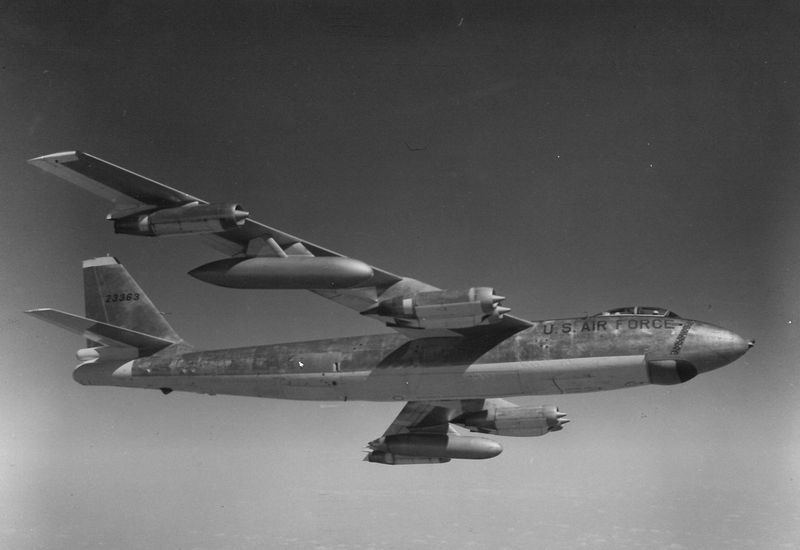
On September 8, 1957, the 96th Bomb Wing moved to Dyess and worked alongside the 341st Bombardment Wing.
On Nov. 19 1959, the United States Army conducted groundbreaking ceremonies at Dyess AFB for the battalion headquarters of the 5th Missile Battalion, 517th Artillery of the U.S. Army Air Defense Command.
It was installed to defend the Strategic Air Command bombers and the Atlas F missile silos stationed at and around Dyess AFB and the two Nike Hercules sites at the Sweetwater Air Force Station.
Units stationed at Dyess while the 517th was operational included the SAC’s 819th Strategic Aerospace Division, the 96th Bomb Wing, and the 578th Strategic Missile Squadron.
From 1962 to 1965, 13 SM-65 Atlas Missile sites were stationed around the base operated by the 578th Strategic Missile Squadron before being decommissioned in 1965 and removed.
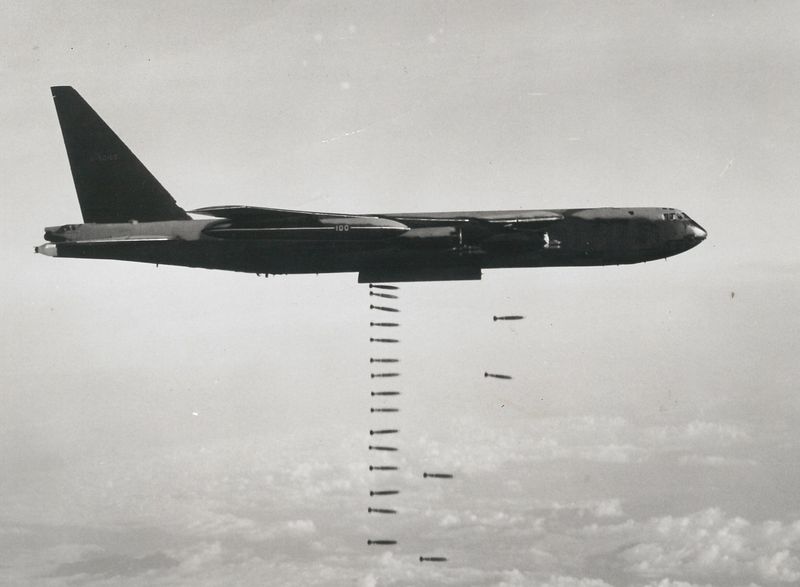
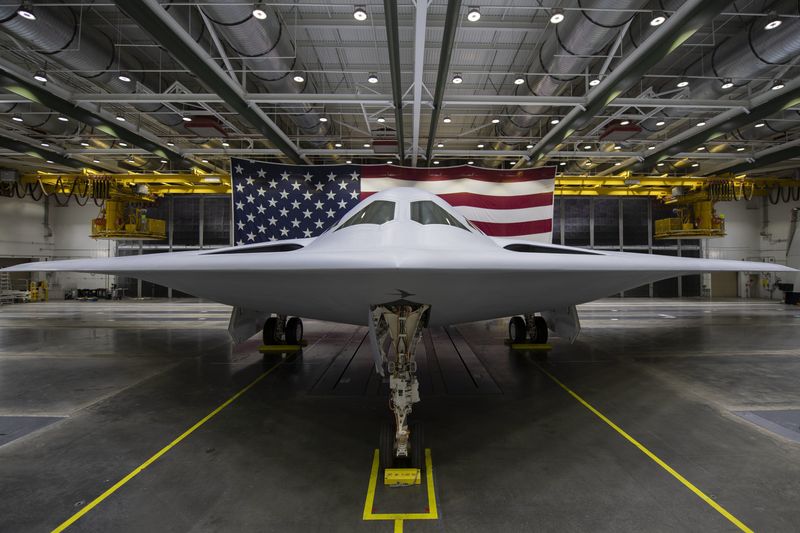
In June of 1985, the base received its first B-1B Lancer, replacing the B-52 Stratofortress, and in Oct. 1986, it assumed nuclear alert status.
Dyess has been recognized as the premier bomber training center and leads the fleet in maintaining the highest mission capability status, officials said.
This article originally appeared on Abilene Reporter-News: Discover Abilene’s military ties on America’s 250th birthday
Reporting by Lauren Dossey, Abilene Reporter-News / Abilene Reporter-News
USA TODAY Network via Reuters Connect
By Lauren Dossey, Abilene Reporter-News | USA TODAY Network
