The NCAA is set to implement new eligibility rules following unanimous approval by its Division I Cabinet.
The changes, which were adopted on June 23 and take effect this fall, allow athletes to compete for five seasons in five years.

The playing window begins with their enrollment in college or the start of the academic year following their 19th birthday, whichever occurs earlier. There are exceptions for pregnancy, religious missions and military service.
Under previous eligibility rules that had been in place for decades, athletes were limited to four seasons in five years.
The new “five-for-five” model removes the reliance on redshirts or waivers to further extend eligibility in cases of medical hardships.
Individual athletes who are currently enrolled can take advantage of the model or continue with previous eligibility rules as part of an implementation phase. Those who enroll next year are all subject to the five-year playing window.
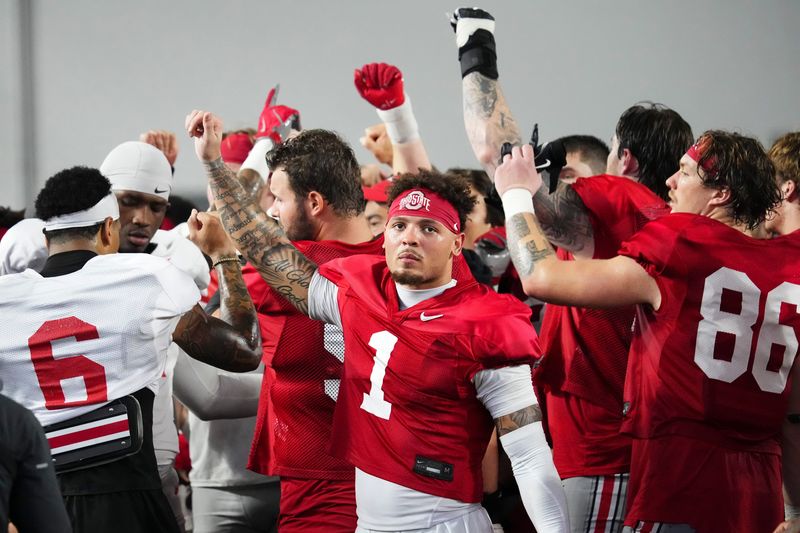
Is Ohio State football impacted by the eligibility rules changes?
At least 20 of the Buckeyes’ scholarship players could see another season of eligibility.
The changes will have the biggest impact on six seniors who had been projected to run out of eligibility at the end of 2026.
Instead of potentially exhausting their eligibility during the upcoming season, wide receivers Brandon Inniss and Devin McCuin, offensive lineman Luke Montgomery, defensive tackle James Smith, linebacker Christian Alliegro and cornerback Jermaine Mathews Jr. would all be eligible to play in 2027.
The others include nine sophomores and four juniors who burned their redshirts as freshmen and could gain another year of eligibility. They are in alphabetical order:
The new model would leave the sophomores with four more years of eligibility and juniors with three.
The transition phase protects players who previously received waivers, such as Hunter Welcing, a tight end who transferred to Ohio State from Northwestern and will be in his seventh year.
As previously noted, the NCAA will allow schools to apply whichever model is most beneficial to those on the current roster. Those who enroll in 2027 will be subject to the new rules.
Joey Kaufman covers Ohio State football for The Columbus Dispatch. Email him at jkaufman@dispatch.com and follow him on @joeyrkaufman on X.
This article originally appeared on The Columbus Dispatch: What NCAA’s new eligibility rules might mean for Ohio State football
Reporting by Joey Kaufman, Columbus Dispatch / The Columbus Dispatch
USA TODAY Network via Reuters Connect
By Joey Kaufman, Columbus Dispatch | USA TODAY Network