As data center fights rage all over Ohio, Cincinnati aims to assert more control over them before more get built in the city.

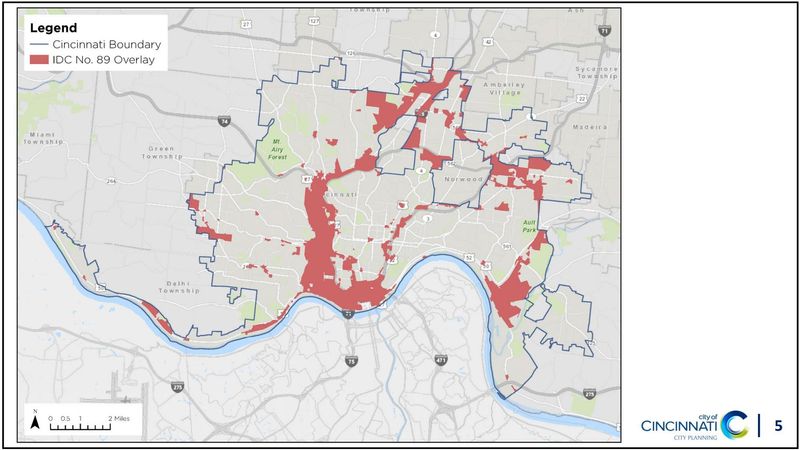
Over the last few months, the Cincinnati City Council approved a 12-month interim overlay district to regulate the potential construction of data centers on over 22,000 parcels of land.
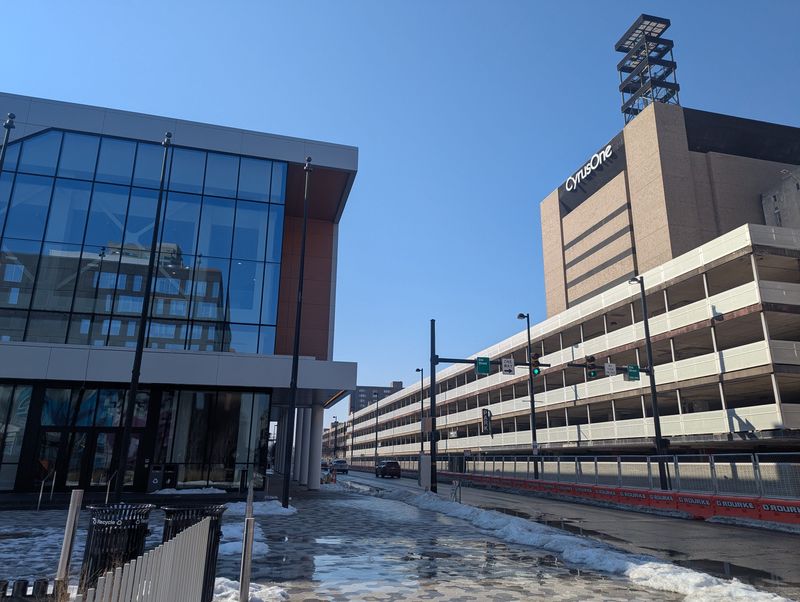
There are already over 20 data centers in Greater Cincinnati, according to the database Data Center Map. Most aren’t in within Cincinnati city limits, but of those that are, they are largely Downtown.
“Right now, there isn’t even a definition for a data center in our zoning code, so that’s the first place we’re starting,” explained city councilmember Mark Jeffreys.
Updating the zoning code, even temporarily, will make room for more constructive conversations around the future of data centers in Cincinnati, he said.
How Cincinnati zoning affects data center construction
Before this change, data centers could have been built outright under six different zoning designations which included manufacturing hubs, commercial and auto-oriented areas, and even Downtown.
Now, companies interested in building or expanding existing data centers on this land will have to go through the typical city zoning review process. That process would measure things like density, scale, impact on traffic, air quality and utilities, as well as compatibility with the surrounding neighborhood.
Within major cities, though, attracting data centers that span hundreds of acres isn’t as realistic.
Unlike in rural areas, there’s not enough room for them, other than on the site of vacant, piecemealed lots or existing business parks like Procter & Gamble’s former 263-acre campus in Winton Hills.
Instead, most are tucked away in office buildings and serve big institutions, like Fifth Third Bank or Kroger in Cincinnati. These businesses need to be physically close to a smaller data center for solid network latency and strong fiber connectivity.
“Data centers are very clearly the backbone of the technology that supports our local companies,” Jeffreys added. “They are not only using generative AI, but the internet. They need that power on the backend, and data centers support jobs in many other industries that call Cincinnati home. We need to be mindful of that.”
Cincinnati’s next steps
Cincinnati’s planning department is currently working on a study to review the current footprint of data centers in the city, where new ones could go up and to determine what regulations are needed to maintain control.
This makes Cincinnati ahead of the curve, according to Joe Davis, a data center deal broker and executive vice president at commercial real estate agency JLL. Many of the issues other Ohio communities are facing surrounding data centers come down to a lack of clarity within the zoning code.
“The power of communities lies in the authority they have over zoning. It’s key,” he said. “Data centers should fit into areas where industrial growth is poised to grow.”
Have questions about data centers in Ohio? Tell us
This article originally appeared on Cincinnati Enquirer: What Cincinnati is doing to combat Ohio’s push to build data centers
Reporting by Sydney Franklin, Cincinnati Enquirer / Cincinnati Enquirer
USA TODAY Network via Reuters Connect