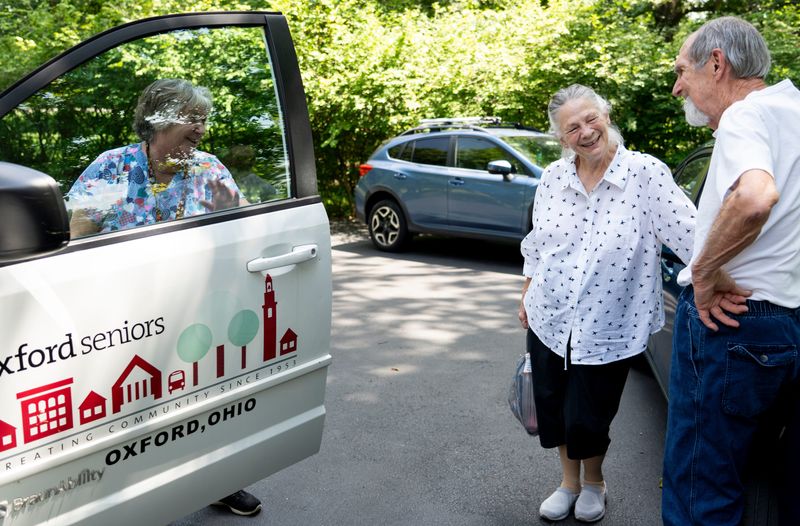
Regina Townsend sent her husband away. She cried as the transport van left.

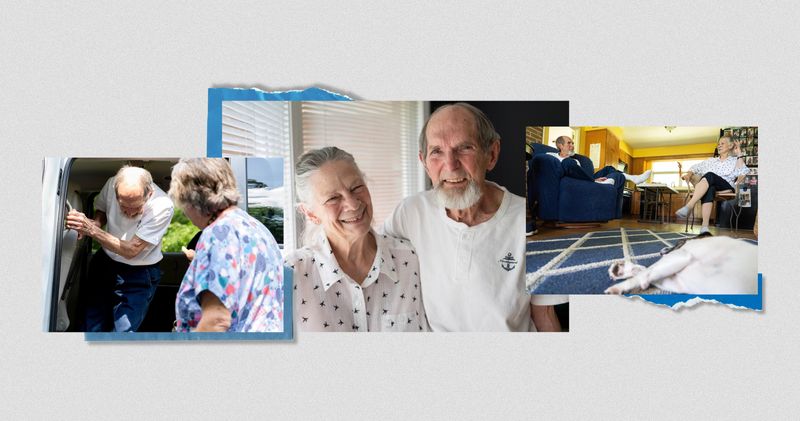
It had been three years since Jay Townsend was diagnosed with Alzheimer’s. After 38 years of marriage, the once-active couple rarely left their Hamilton home.
Caring for her husband consumed Regina Townsend’s life. She stopped gardening. She sacrificed dentist visits. She woke up repeatedly each night. All to be there for him.
For years, Regina Townsend believed caring for her husband meant doing everything herself. Experts say many of Ohio’s more than 2 million unpaid caregivers make the same mistake, isolating themselves until exhaustion threatens both the caregiver and the person they love.
“You can’t really do anything when someone with dementia is in your sphere,” she said.
The Townsends’ lifestyles relaxed once they took advantage of southwest Ohio’s senior resources. But others, burdened by confusion and guilt, will continue to suffer alone. The decision to remain without outside help can be fatal, experts said, and even lead to criminal charges.
Fear of being split up
Regina Townsend’s physician saw she was overworked. The doctor floated the idea of putting Jay Townsend in a home, which she dismissed.
The fear of putting loved ones in a nursing home is a common reason caregivers won’t ask for help, said Jennifer Heston-Mullins, who runs the Scripps Gerontology Center at Miami University. She has heard people express their fear repeatedly since she began working in long-term care in 1991.
But social workers and care managers don’t want to split up families, an expert said.
“My job is to keep you in your home,” said Brittany Woulms, who supervises care managers at the Council on Aging of Southwestern Ohio, a multicounty agency supporting senior care providers.
She helps connect people with resources so they can age in familiar places. When a caregiver has a question, they call their care manager.
Regina Townsend didn’t want to speak with a care manager when her doctor mentioned the idea. She didn’t want anyone coming to her home. She said she was doing a great job taking care of her husband.
Talking about it with someone would slow her down, she thought.
Townsend eventually agreed to explore outside help. Experts say that step is often the hardest one.
Many caregivers become so focused on keeping a promise to a loved one that they stop recognizing the toll the responsibility is taking on themselves.
Even good intentions can turn dangerous
Experts say caregiver isolation rarely ends in criminal charges. More often, it leads to exhaustion, declining health and strained relationships. In the most extreme cases, however, a vulnerable adult can be harmed.
Such cases are rare, but they happen. In Hamilton County, prosecutors have charged two people in separate cases with failing to provide for a functionally impaired person.
In one case, a woman died after developing severe bedsores, according to court records and the Hamilton County Coroner’s Office. In another, prosecutors alleged an elderly woman was found malnourished and living in unsanitary conditions.
“In many circumstances people think, ‘Well, how could you not know that was the wrong thing to do?'” Heston-Mullins said. Often, she said, people make promises to loved ones that they’ll never be separated.
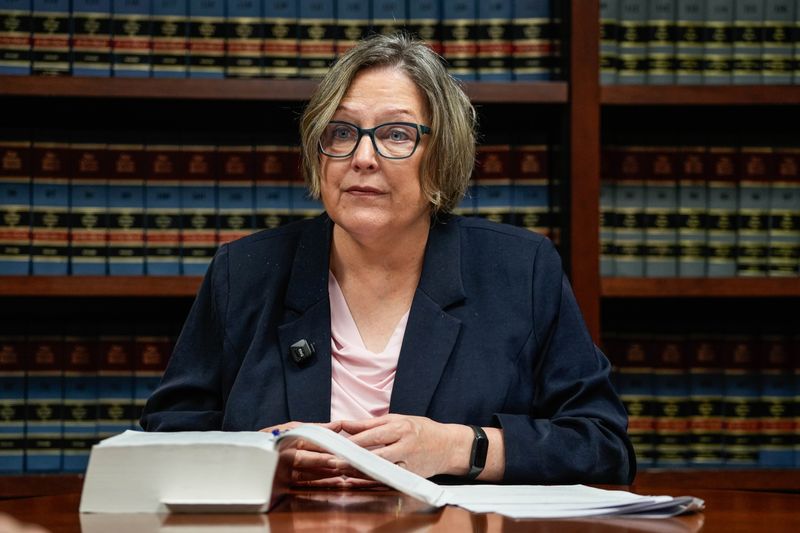
The circumstances leading to the Hamilton County cases are unclear. The attorney of the defendant in one of the recent cases, Sarah Vanderhoff, said her client shouldn’t have been charged because she wasn’t acting as a caretaker.
Such prosecutions remain uncommon. Of more than 4,300 cases indicted in Hamilton County in 2025, three involved allegations of failing to care for a functionally impaired person, said Hamilton County Prosecutor Connie Pillich. The charge has been applied fewer than 20 times in 10 years in Hamilton County, courthouse data show.
Heston-Mullins recalled a case where an incontinent senior sat in a makeshift reclining bathroom chair all day as their caregiver worked full-time. The caregiver promised they’d never send the senior away. When Butler County Adult Protective Services visited them, she said, it connected them with resources – not criminal charges.
Experts say most caregivers who become overwhelmed aren’t acting out of malice. They’re acting alone.
What does getting help look like?
Support from the outside varies.
For some seniors, help means assistance with daily chores. For others, it means regular visits to an adult day center.
The Council on Aging of Southwestern Ohio can recommend personalized services based in Greater Cincinnati to keep a senior independent as long as possible, said spokeswoman Paula Smith.
The council works with providers across five counties, offering financial assistance through tax levies and federal funds.
Medicaid can help fund seniors aging at home, experts said. There’s even an option for families to register themselves as independent providers through Medicaid so they can be paid for the caregiving they’d do for free, Heston-Mullins said.
Alzheimer’s takes long-ago memories, but joy is added to daily routine
Even though Jay Townsend often forgets what just happened, his wife said her 81-year-old husband remembered playing chair volleyball days after leaving the senior center. He’d tell people about it unprompted.
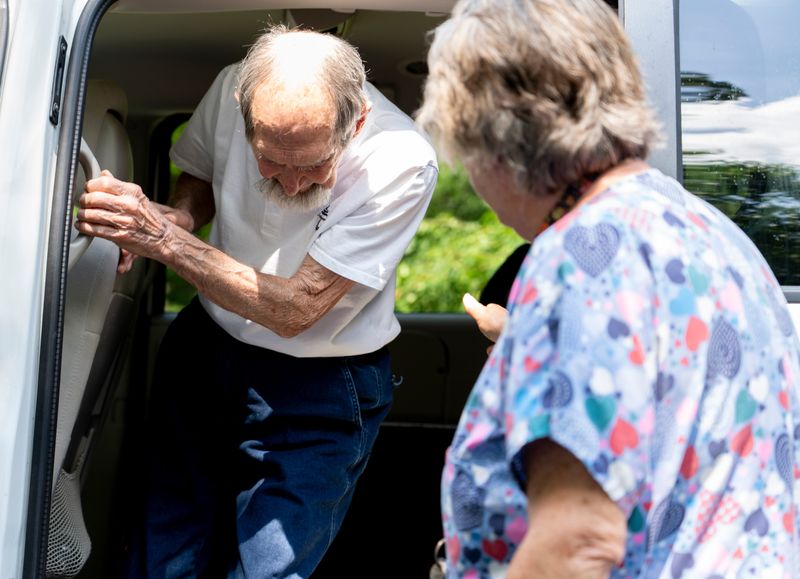
“I hadn’t seen him smile like that in years,” she said, remembering watching him exit the van after his first day.
Regina Townsend said she used to think outsourcing her husband’s support was failing him. Instead, she said, “it gave him a new lease on life.”
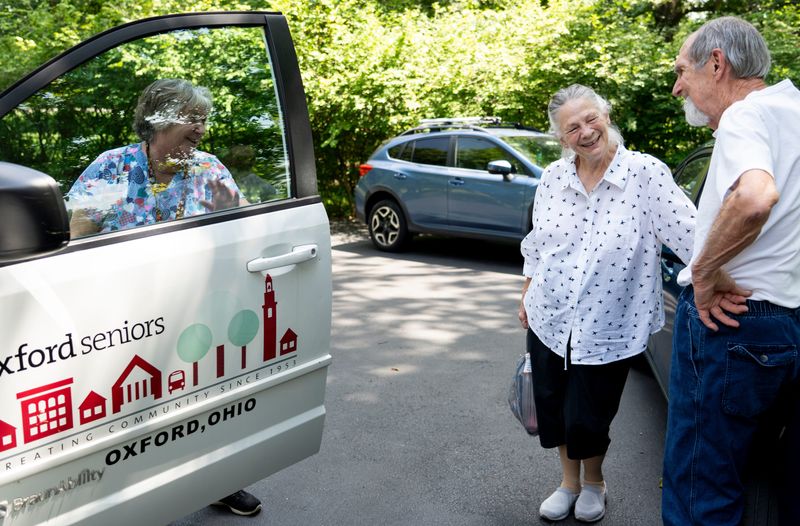
Jay Townsend said Oxford’s adult day service feels like a family. The people who run it are some of the neatest people he ever met, he said, adding, “I’ve got the world by the tail.”
He began going to the center twice a week. Regina Townsend has been able to work on puzzles or watch World Cup matches while her husband is there.
It’s been too hot for her to mulch or de-weed the garden, she said. But now she has time.
This article originally appeared on Cincinnati Enquirer: The quiet crisis behind Ohio’s exhausted caregivers. How to get help
Reporting by Matthew Cupelli, Cincinnati Enquirer / Cincinnati Enquirer
USA TODAY Network via Reuters Connect
By Matthew Cupelli, Cincinnati Enquirer | USA TODAY Network