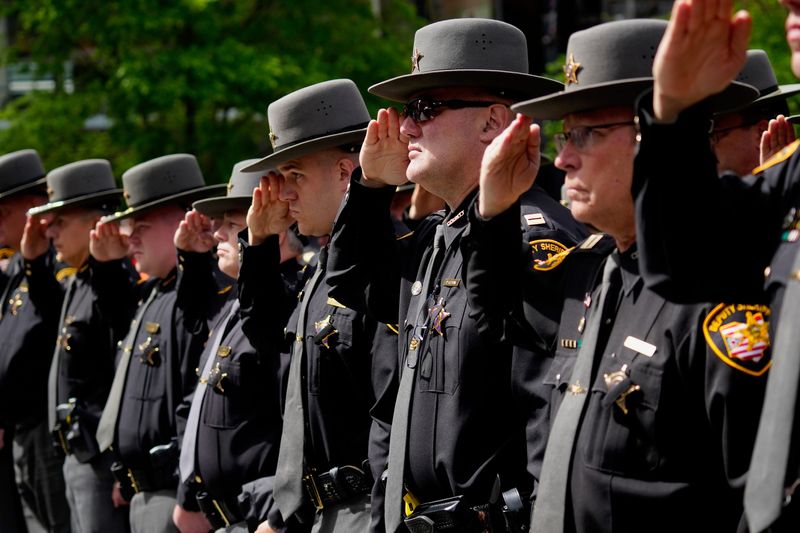
We ask a lot from our law enforcement officers. We expect them to run toward danger when the rest of us flee. We ask them to maintain calm while navigating chaos. We want them to make split-second decisions that can change − or end − lives. What we rarely ask is: How are they doing?
For generations, the answer to that question didn’t matter much. Emotional vulnerability was treated as weakness. Officers who spoke about the mental toll of the job were seen as unfit, unstable or unworthy of the badge. The job was to deal with it, move on and never let it show. But that mindset has left a trail of broken officers, broken families and, in too many cases, lost lives.

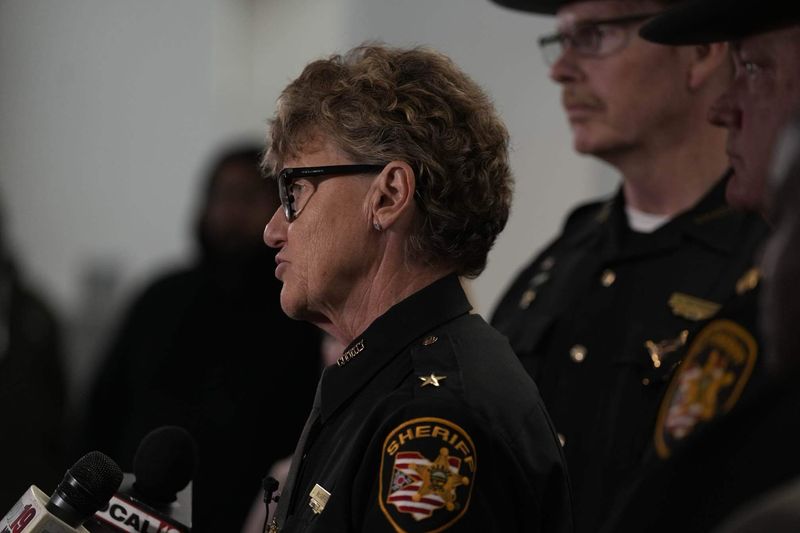
Fortunately, that culture is beginning to shift − and Hamilton County is helping lead the way. When Sheriff Charmaine McGuffey took office in 2021, she made officer wellness a top priority. She launched a first-of-its-kind wellness program for her 900 deputies and support staff, determined to build something cutting-edge, proactive and rooted in care. The goal was simple: keep deputies mentally and emotionally healthy so they can do their jobs safely and serve the public effectively. That’s a win for officers and a win for the community.,
One of the earliest features of the program was a mobile app that allowed deputies to anonymously access counseling and mental health assessments. The anonymity was key − it allowed deputies to seek help without fear of stigma, gossip or retaliation. At its peak, nearly half the department used it. The app eventually went away due to funding constraints, but the culture shift it helped spark remains. Hamilton County’s peer support team continues to grow, and the program is now viewed as a national model. Departments from across the country have reached out for advice and training.
A culture of silence is breaking
Sheriff McGuffey knows what it was like before. “Ten years ago, Hamilton County had almost no mental health support for deputies,” she said. “I lived it. I witnessed it. If a deputy was hurting, you were told to get your butt back to work.” That mindset, she says, still lingers in corners of the profession. But not here − not anymore.
Deputies like Corporal Kristy Fritz and Detective William Cruz, volunteer members of the peer support team, are proof of that shift. Fritz, a veteran in the department, says there was always a “missing piece of the emotional puzzle” for officers. “There’s always been this stigma attached to officers having emotions,” she said. “You just didn’t deal with it. But you could see the toll it took.” Now, thanks to the wellness program, every critical incident is followed up with a check-in. “Through the conversations we have, we know each other well enough to know when something more is needed. And we help them get those resources.”
Detective Cruz agrees. He’s seen what untreated trauma does. After investigating a string of infant deaths, he and his colleagues were emotionally gutted. “Anytime kids are involved, that’s always going to affect you,” he said. “In the past, it was just: move on, next call. Now it’s: Are you OK? Can we get you help?” Building trust was essential. “At first, people wondered if talking to us would turn into gossip. But over time, we showed them it won’t. It stays here. That trust has made a difference.”
Cruz speaks from personal experience. Years ago, while silently battling his own mental health struggles, he used all his sick time. When he returned, the message he got from the old guard was clear: “I can’t run a department on your personal problems.” That’s not the tone anymore. Now, if an officer starts using more sick time than usual or seems off, someone reaches out. Not to punish, but to ask: What’s going on? Can we help?
The wellness program is saving lives, preserving careers
That kind of proactive approach is saving lives and preserving careers. One deputy, who asked not to be named, shared how the wellness program changed everything for him. At first, he dismissed it as fluff − “rah-rah bullcrap,” he called it. But after the deaths of four officers at different area law enforcement agencies in just a few months, including two suicides, he began to crack. The panic attacks hit suddenly. He thought it was a heart attack. When the doctor said otherwise, he didn’t want to believe it. But then he remembered the anonymous app.
He called. A therapist answered on the second ring. That call became a lifeline. “I broke down and started crying,” the deputy said. “That’s when I started talking to somebody. I took some of the rocks out of the book bag I’d been carrying around.” That metaphor − the emotional weight of trauma piling up − stayed with him. “You get so used to carrying it, you don’t realize when it’s too heavy. Then it breaks you.”
Now he helps others carry their load. He drives colleagues to therapy. He sits with them in the ER. He listens. He doesn’t report it unless he absolutely has to. “It’s just me, them, and the good Lord above,” he said. “And I tell them: we have these resources for a reason. Use them.”
That sense of brotherhood, of being there for one another without judgment, is at the heart of the peer support model. Lt. Eric Pfaffl, a senior member of the wellness team, said it plainly: “The general public may see a few traumatic incidents in their lives. Our people see hundreds.” From suicides to child abuse, violent crashes to intentional killings − officers are asked to witness and process what most people never will. “It affects you,” he said. “And for too long, we failed as a profession to support our people through that.”
The department’s wellness infrastructure not only includes peer support officers and vetted clinicians but also a full-time chaplain, Rabbi Mendy Kalmanson, a longtime police chaplain in Hamilton County. Kalmanson said he builds trust and relationships with the deputies by being with them on patrol, in court, and in the jail.
“I walk the floors with the officers. I move prisoners with them. I share their day,” Kalmanson said. “And when there’s a quiet moment in the car or between calls, that’s when they start to talk. That’s when the real conversations happen.”
It’s not always a phone call or a formal cry for help, Kalmanson said. Sometimes it just being in the right place when someone lets their guard down.
“It takes a strong person to say, ‘I can’t do this alone,'” the rabbi said. The wellness program overall has become integral to officer survival. “If you took away the wellness program, it would be like taking away their police radio. It’s a lifeline. These programs are literally saving lives.”
A loss that shook the department proved the program’s worth
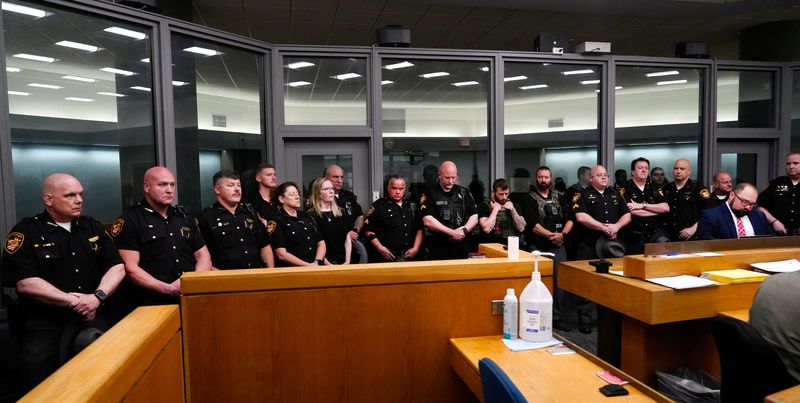
When Deputy Larry Henderson was killed in the line of duty − the first intentional killing of a Hamilton County deputy since 1984 − the entire department was rocked. Henderson wasn’t just respected. He was beloved. “We probably have never been more active as a program than we were at that time,” Pfaffl said. “It was a unique challenge because we were grieving, too. But we still showed up for each other.” Even longtime skeptics took notice. “I got a call from a retired deputy − 30 years in the job,” Cruz said. “He said he’s never been more proud of this agency than how we handled Larry’s death.”
The culture is changing. Slowly, stubbornly, but undeniably. And not just in the sheriff’s office. The Cincinnati Police Department has a wellness program, too, recognizing that healthy officers make for safer streets and better policing. “A healthy officer is a more effective officer,” Cruz said. “That’s what the public wants.”
Of course, stigma still exists. Some officers worry that asking for help will mark them as soft or unstable. But the numbers are trending in the right direction. Younger officers are increasingly reaching out early. Older officers are starting to follow. As the program grows, so does the sense that it’s OK to not be OK − and more importantly, that help is available.
There’s still more work to do. Funding is always a concern. The loss of the wellness app was a setback. And there’s a constant need to recruit and retain trusted, culturally competent therapists who understand the unique stressors of law enforcement. Mental health services must be treated as essential infrastructure − not optional add-ons. This work saves lives, families, and careers. And it builds stronger, more resilient departments.
Most people have no idea what it’s like to be a cop
So, why did I write this column? A few weeks ago, I was talking with a trusted friend − a retired Cincinnati police officer − about the Ryan Hinton shooting. I was questioning the body cam footage and the officer’s decision to shoot. He let me speak, then said something that stuck with me: most people have no idea what it’s like to be a cop. The split-second decisions, the trauma they witness, the weight they carry long after the call ends. Then he asked, “Would you feel the same if it were me on the other end of that gun?”
That question hit hard. It made me think about how misunderstood and constantly criticized police work can be − a feeling I recognize as a journalist. It also brought me back to a conversation I had with Sheriff McGuffey during an Enquirer editorial board meeting, when she first mentioned the department’s wellness program. I was intrigued then, but after that conversation with my friend, I knew I had to write about it.
I wanted to better understand the emotional toll of policing − and share what I learned.
If we want better policing, we have to invest in better people. That means not just hiring the right officers, but supporting them throughout their careers. The burdens they carry aren’t always visible, but they’re real. They’re human. And if we want them to show up for us − to protect, serve, and respond with clarity and compassion − we have to show up for them too.
Because when the badge comes off, the trauma remains. And behind every uniform is a person carrying a book bag of invisible weight. The least we can do is help them lighten the load.
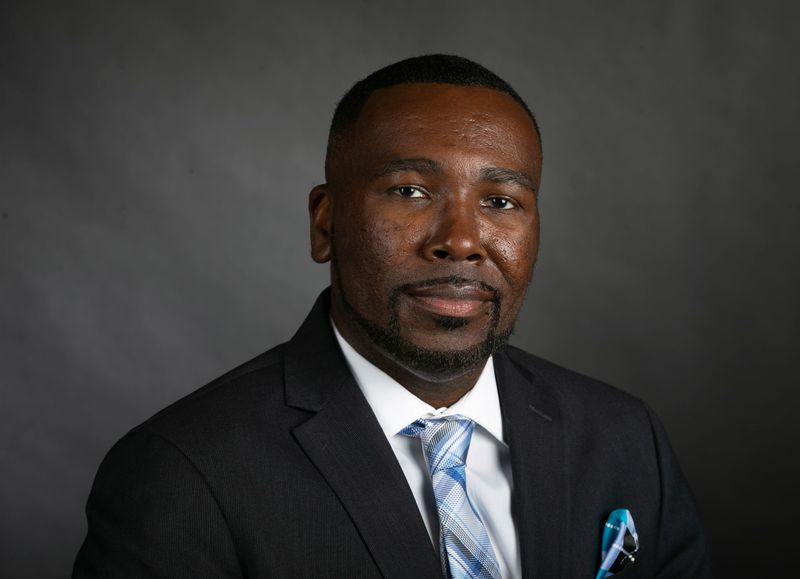
Opinion and Engagement Editor Kevin S. Aldridge can be reached at kaldridge@enquirer.com. On X: @kevaldrid.
This article originally appeared on Cincinnati Enquirer: The burden behind the badge: Why mental health must be a priority for police | Opinion
Reporting by Kevin S. Aldridge, Cincinnati Enquirer / Cincinnati Enquirer
USA TODAY Network via Reuters Connect