Imagine being Moses. Not the figure from paintings or stories we tell our kids, but the actual man. A person with a stutter, standing in front of a community that wasn’t sure it trusted him, carrying a hope he couldn’t fully put into words. He needed his brother, Aaron, just to speak for him. He’d argued with G-d. He’d run away once already.
And then he led the Israelites out of slavery anyway.

He didn’t lead because he was the most qualified. He led because he believed they were traveling somewhere worth going.
It wasn’t one night. It was months. Plagues and false starts. Pharaoh saying yes, then no. The community watching and waiting, losing faith and finding it again. Word of the Exodus moved from doorway to doorway because there was no other way for it to spread.
The Torah tells us that Moses went to the elders first. He brought Aaron because he couldn’t speak the way he needed to. He showed them signs. And then the community had to decide for themselves. That’s not a declaration from on high. That’s leadership. That’s asking for trust in a journey without a clear end.
The debates were fierce. The fear was real. Some stayed, but most went with Moses. They had no certainty. They had hope, and hope was strong enough to walk into a desert with.
Three thousand years later, we still tell the story. It endures because it began honestly.
Every year at Passover, the Haggadah gives us Four Questions. This year, we’re bringing more.
They won’t wait for the formal moment during the Seder. They’re already at the table when we sit down. In the silence between courses. In the looks across the room. In the weight we carry from reading headlines and speaking with friends. Some of those questions are about safety. Some are about identity. Some are about what we say to our children when they ask why the world looks the way it does. The Seder doesn’t pretend those questions have neat answers.
Here is what I’ve learned, after a year that has tested every community and every person I know: The Seder was built for exactly this.
It’s grief and joy in the same night. Bitter herbs and sweet wine on the same table. The youngest child asks the Four Questions, and the oldest answers with a story, not a solution. Everyone reclines, even those who have every reason to sit upright and on guard.
The door is left open in a world that doesn’t always feel safe. The table makes room for the cynic and the believer, the one who doesn’t know how to ask, and the one who can’t stop asking. It’s been a tradition for three thousand years. That’s not weakness. It’s the oldest form of courage I know.
Every culture has a story that outlasts its crisis. A narrative passed down not through monuments but through meals, through songs, through the stubborn act of remaining when leaving would be easier.
The Exodus is ours. It survived because people told it to each other. At tables. In the dark. When they didn’t know what came next.
That same choice is being made right now, in this city.
I see it in Cincinnati every day. Families sitting down together, a whole community holding complexity instead of retreating from it. I’ve watched parents bring their teenagers to hard conversations they’d rather skip. I’ve watched neighbors from other faith traditions show up at our doors to say, simply: We’re here.
When one community chooses presence over retreat, it strengthens the city around it. Cincinnati has always understood that. Every table set this Passover, every door left open, every honest conversation held across difference. That is civic faith made visible.
The Passover story doesn’t ask us to answer every question. It asks us to sit down together and begin to listen.
Moses didn’t have all the answers or a convincing speech. He had hope. And he had Aaron.
We have each other.
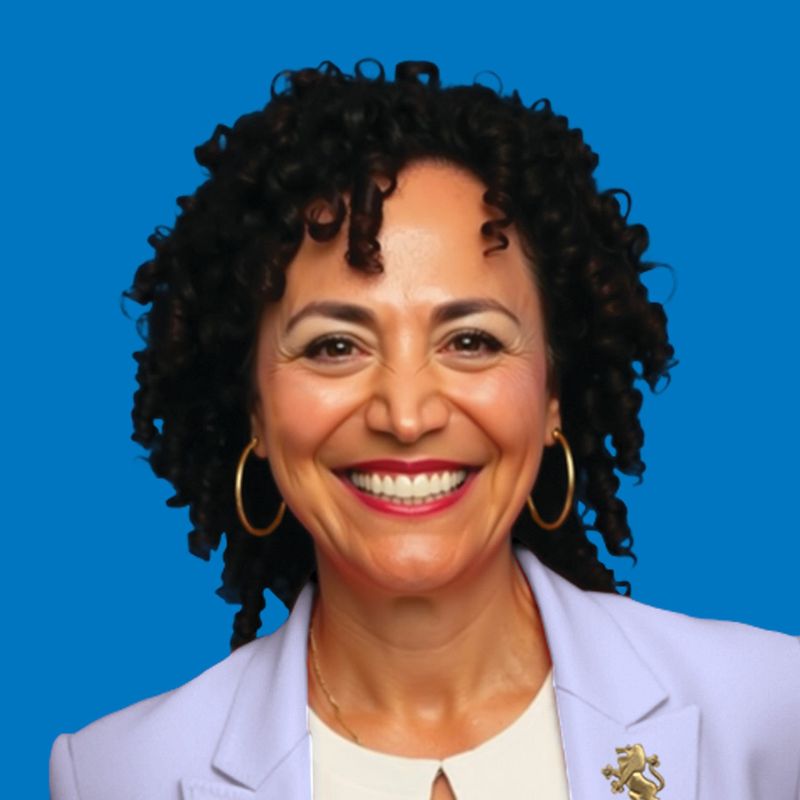
Danielle V. Minson is CEO of the Jewish Federation of Cincinnati.
This article originally appeared on Cincinnati Enquirer: Passover shows us how to hold hard questions | Opinion
Reporting by Danielle V. Minson, Opinion contributor / Cincinnati Enquirer
USA TODAY Network via Reuters Connect