Social isolation and loneliness, social disconnectedness, was designated a public health crisis by the U.S. Surgeon General’s Advisory, “Our Epidemic of Loneliness and Isolation,” 2023.
Especially during the last few years, there has been an onslaught of research-driven information, recommendations, and development of resources for older adults to thrive rather than just survive – with implications for public policy and service delivery options. There are multiple keys

Perhaps central to thriving while aging is
Risk Factors
Risk factors for being socially disconnected include poorer health, having experienced life transitions that e.g., negatively affect the size and nature of your support network, living alone, disabilities, vision or hearing loss, and transportation inaccessibility.
Are you homebound? Are you socially isolated and not by choice? Are you being neglected or exploited by family members, caregivers, or guardians? Are there barriers – physical, financial, personal – to leaving your home and going where you need to or wish to go?
Reflection and Writing Exercises – This is For You
Engaging in reflection and writing exercises has helped you to consider the benefits of social connectedness, what it means to you. You’ve been able to reflect on what your current situation looks like, to identify strengths and weaknesses in your current support system and how you might cultivate or strengthen social connections. The focus has been on what you prioritize, what you feel most comfortable with, and what you believe to be possible and optimal.
Support Resources
Some Local/Regional Agencies/Organizations/Entities to Ask Questions of and To Learn What Opportunities are Available — Area Agency on Aging District 5, Senior Citizen Center, Ashland Public Library, Appleseed Community Mental Health Center, Mental Health and Recovery Board of Ashland County, Ashland Public Transit, Religious Community, Health Care Providers that Engage in Shared Decision-Making.
Address sensory deficits and other unmet needs by contacting those who may be able to provide assistance or help direct you elsewhere – e.g., AAA District 5, Associated Charities, Kroc Center, Lions Club, St. Vincent de Paul Society.
Check out the USAging platform for information about community-specific programming and more, as well as the Elder Care Locator.
In Closing
Remember the basics – keep in close touch with loved ones and friends by phone, in-person visits, emails, texts, skyping, or even by snail mail.
Diana Spore, PhD, MGS, is an older adult, Solo Ager, advocate, expert on mental health and aging, and freelance writer. She resides in Ashland, Ohio, and can be reached at dianaspore@zoominternet.net.
This article originally appeared on Ashland Times Gazette: Opinion: Why social connection is the key to healthy aging
Reporting by Diana Spore, Special to the Times-Gazette / Ashland Times Gazette
USA TODAY Network via Reuters Connect
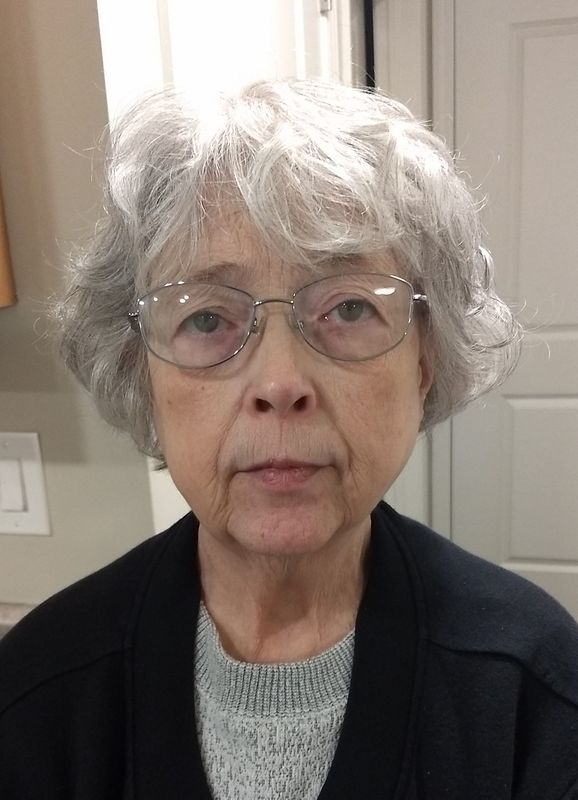
By Diana Spore, Special to the Times-Gazette | USA TODAY Network