With a historic half-billion dollars from voter-OK’d housing bonds to work with, the city is attempting to include smaller developers and reach more neighborhoods.
Columbus Mayor Andrew Ginther’s administration opened a new round of applications for funding on June 15 with updated criteria which will allow more kinds of projects to apply for money.

“Columbus is one of the fastest growing cities in America and our responsibility is to make sure people can continue to afford to live here,” Ginther said in a statement. “This is another way to ensure our investments create opportunity and keep Columbus an affordable, inclusive city for the next generation.”
The Columbus Department of Development also says it is working on creating a forthcoming online dashboard where residents can see what projects have been funded with the bonds. This comes as Columbus City Council President Shannon Hardin announced on June 12 that he is introducing legislation to make the application and funding award process more transparent.
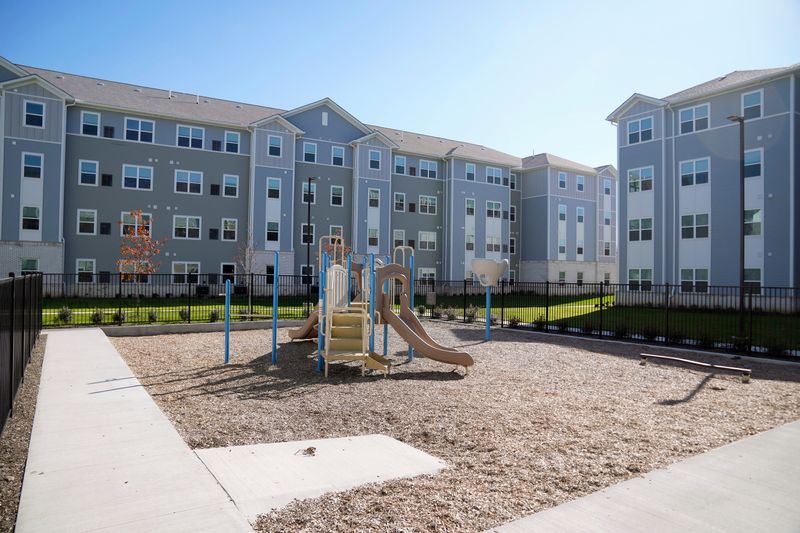
Columbus has already spent more than $200 million in housing bond dollars in recent years, including on projects that built or rehabbed more than 5,000 income-restricted apartments. Many of the city-subsidized projects have historically been done by the same large developers and have been concentrated in certain neighborhoods, the Dispatch reported last year when the newspaper mapped city-subsidized projects.
Erin Prosser, Columbus Department of Development deputy director of housing strategies, said the city had been focused on getting money out the door and The Dispatch’s reporting identified opportunities for the city to improve how it tracks its affordable housing investments and communicates them to the public.
Hardin said that at a February hearing he held on how to use the housing bonds, residents told him they wanted transparency.
“If we’re investing half a billion dollars in affordable housing, then residents deserve to know where that money’s going and what is being delivered for it,” Hardin said in a video on Instagram while walking to the clerk’s office in City Hall to submit his legislation.
Neighborhoods with no city bond-subsidized apartments at the end of 2025 included the Northwest Side, Far North Side, Southeast Side, Far South Side, Clintonville, University District, Italian Village, Short North and Victorian Village.
This reflects that historically, the city has only funded projects that also received federal Low-Income Housing Tax Credits through the state, one of the primary ways affordable housing gets funded in the U.S. Each state sets criteria for the highly competitive federal program.
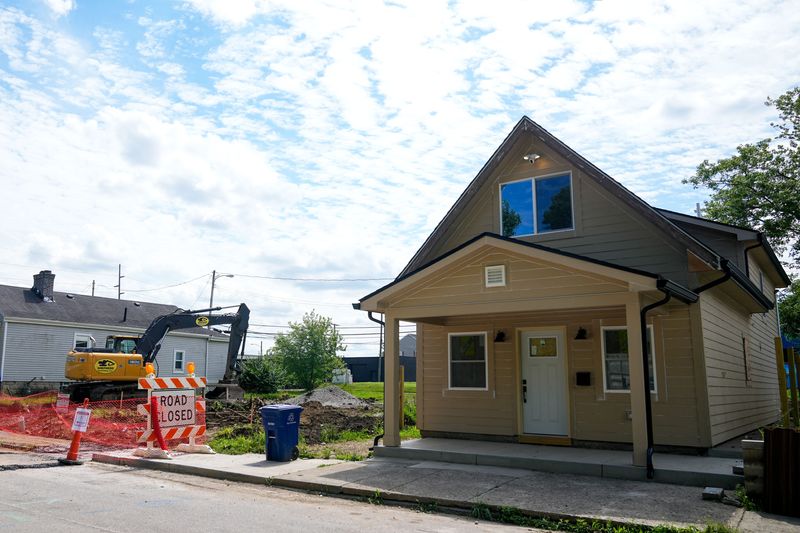
In the city’s new round of housing bond funding, the city will accept projects that aren’t receiving those housing tax credits. Prosser said forgoing this requirement will allow the city to be more “surgical” in responding to community feedback about where to place affordable housing near jobs and transit. It will also allow them to fund more types of housing that often don’t fit into the tax credit guidelines like cottage courts, duplexes and triplexes.
Government and politics reporter Jordan Laird can be reached at jlaird@dispatch.com. Follow her on X, Instagram and Bluesky at @LairdWrites.
This article originally appeared on The Columbus Dispatch: More Columbus neighborhoods could get city-subsidized apartments
Reporting by Jordan Laird, Columbus Dispatch / The Columbus Dispatch
USA TODAY Network via Reuters Connect
By Jordan Laird, Columbus Dispatch | USA TODAY Network