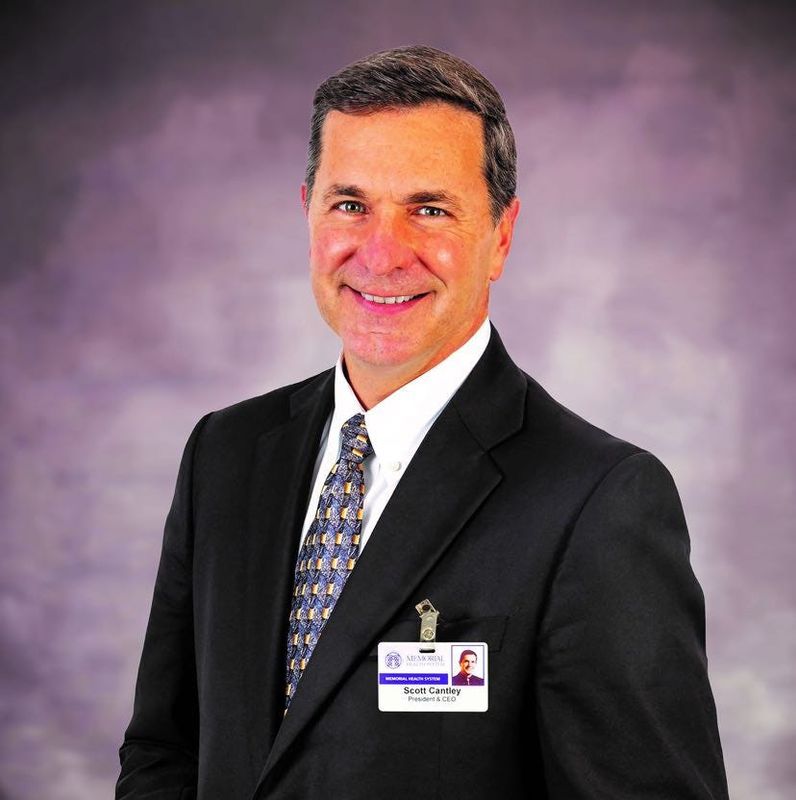
Scott Cantley is president and CEO of Memorial Health System in Marietta.
We learned on May 19 that billions of Medicaid dollars are allegedly being lost to fraud in Ohio.

This is especially frustrating for me as a rural hospital CEO.
I fight every day to keep our doors open to ensure patients in rural communities have access to healthcare close to home. I will soon open Appalachian Ohio’s first children’s hospital.
Yet independent hospitals like mine –those not owned by a larger urban entity – have been dealt the worst hand of all.
These hospitals provide the same level and quality of care as larger urban facilities, yet they are often reimbursed by Medicaid at significantly lower rates than urban peers. And they lack financial advantages many large urban systems receive.
In 2024, the publicly reported total expense to operate Ohio’s 18 nonprofit, independent, rural “acute care” hospitals in Ohio was $5.5 billion. This excluded “critical access” facilities, hospitals where Medicare pays full cost for treatment.
Given that Republican gubernatorial candidate Vivek Ramaswamy and Ohio Auditor Keith Faber said they believe Ohio can save more than $3 billion in Medicaid, it is clear only a small portion of these savings would be required to reset how we pay hospitals in Ohio – and stabilize rural health care for decades to come.
Ohio House Speaker Matt Huffman said he is assembling legislation aimed at curbing Medicaid fraud. Huffman has been rural hospitals’ best friend since he returned to the House.
Keep our emergency rooms open and doctors’ visit local
I hope as part of this process, lawmakers commit to a study, in the remainder of 2026, that will consider allocating a small portion of the dollars saved from rooting out fraud to independent rural hospitals that provide real care to real Ohioans — and are rural Ohio’s leading employers.
As we saw when the legislature debated the Rural Health Transformation funds, not all rural hospitals are the same.
Some have stronger financials than others. Costs have risen since 2024, the last year for which numbers are available. And some rural hospitals are paid better than others. But the takeaway is straightforward: the amount needed to stabilize rural independent hospitals is likely only a fraction of what Ohio loses to Medicaid fraud.
Redirecting this money to rural hospitals would help keep emergency rooms open and primary care visits local. Deliveries of babies would remain local—or return to rural areas, a priority of Republican Lt. Governor candidate and Senate President Rob McColley. Our providers would continue serving families who would otherwise drive hours for treatment—or go untreated entirely.
Ohio’s rural independent hospitals employ our neighbors. They care for our parents and grandparents. They are often the largest employer in their county, and provide services that communities cannot function without.
I commend efforts to expose the dollars drained from Medicaid through fraud.
I urge policymakers in Ohio to consider directing a small portion of the savings realized by exposing this fraud to rural hospitals, where they will have the most impact.
Scott Cantley is president and CEO of Memorial Health System in Marietta.
This article originally appeared on The Columbus Dispatch: Money from Ohio Medicaid fraud could keep our hospital doors open | Opinion
Reporting by Scott Cantley, Guest Columnists / The Columbus Dispatch
USA TODAY Network via Reuters Connect