Editor’s Note: This is part one of a series by Photographer Mike Schenk, who is currently going through the Master Gardener Volunteer program and documenting it.
The Master Gardener training program isn’t for the faint-hearted, as it includes a 10-class course that deals with aspects of plants, bushes and trees.

A little background
The Master Gardener Volunteer program started locally at The Ohio State University College of Food, Agriculture and Environmental Sciences after a 16-year absence. Today, there are 69 active Master Gardeners and 18 interns. The last 10 years have seen 25,760 volunteer hours, 9,561 continuing education hours and 25 active volunteer opportunities in Ashland, Holmes, Medina, Richland, Stark, Summit, Tuscarawas and Wayne counties.
COVID did have a negative impact on the program. The program consists of 10 classes starting at 9 a.m. and ending at 3:30 p.m. once a week. A trip to the United Titanium Bug Zoo and the campus greenhouses is part of the course. After completing classes, there is a 50-hour volunteer program that must be completed before the end of the following year to officially graduate.
CLASS ONE
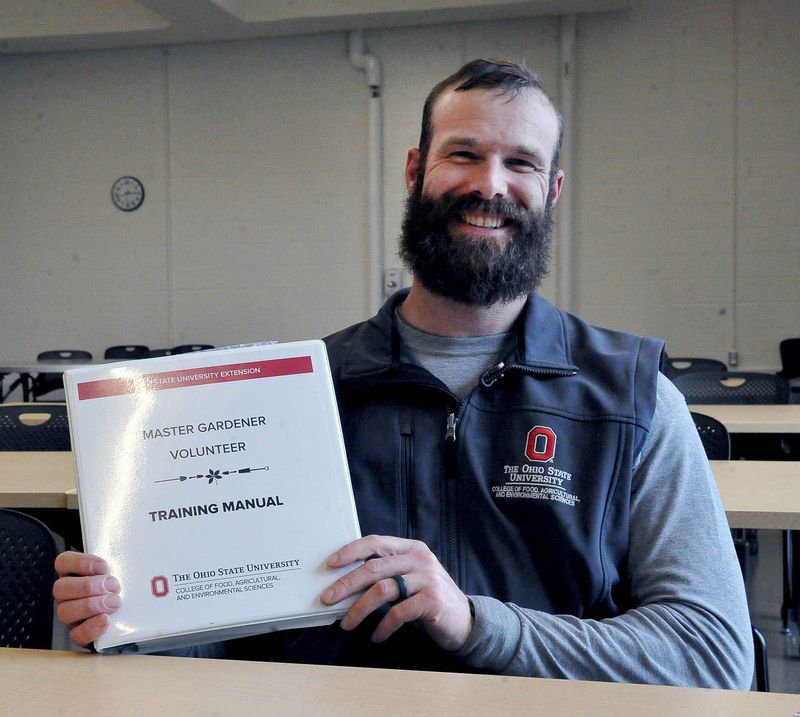
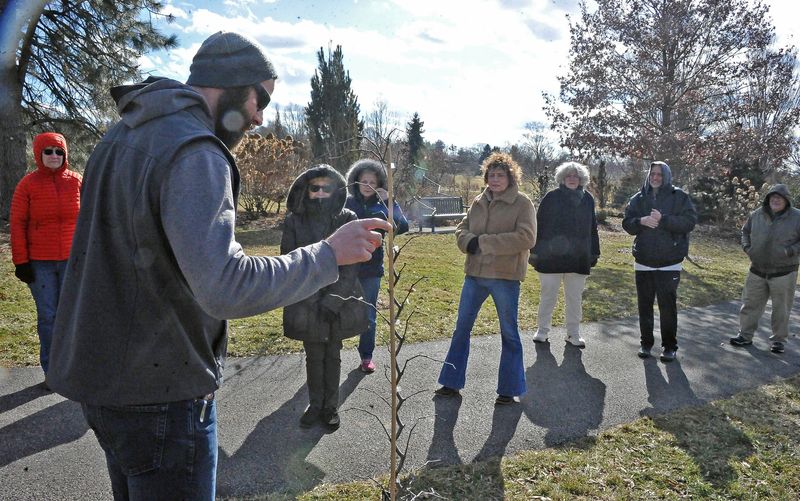
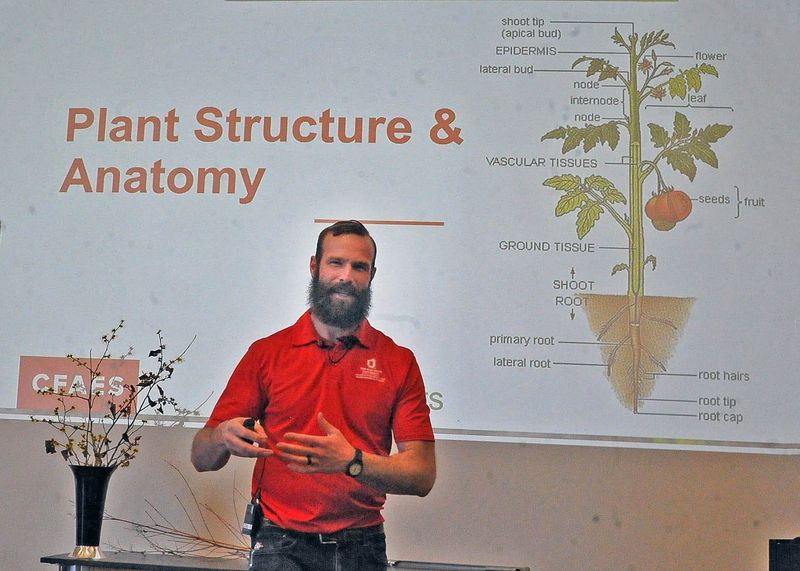
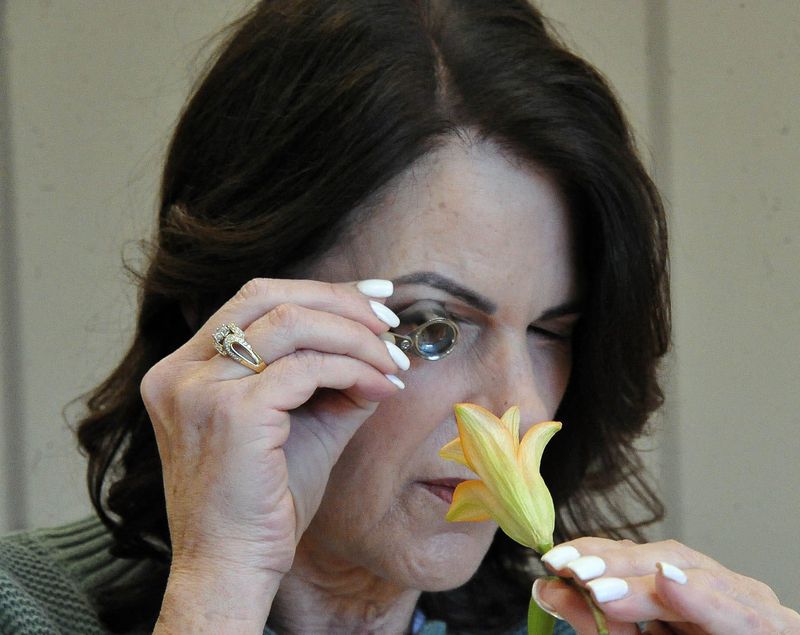
Eleven class members walked into the classroom to tables with papers, a 2-inch thick training manual and plant parts. If anyone was expecting to plant a few seeds and watch them grow over the next 10 weeks, that idea was soon dashed as class one was a 5-hour class on botany. Instructor Paul Snyder covered many topics involving plants, plant structure and anatomy, and their functions to keep a plant growing. A first for the program included a walk at Secrest Arboretum, as the weather did cooperate.
The day finished with instructions on how to take a soil sample and send it in to be analyzed. Results would be discussed in a later class.
CLASS TWO
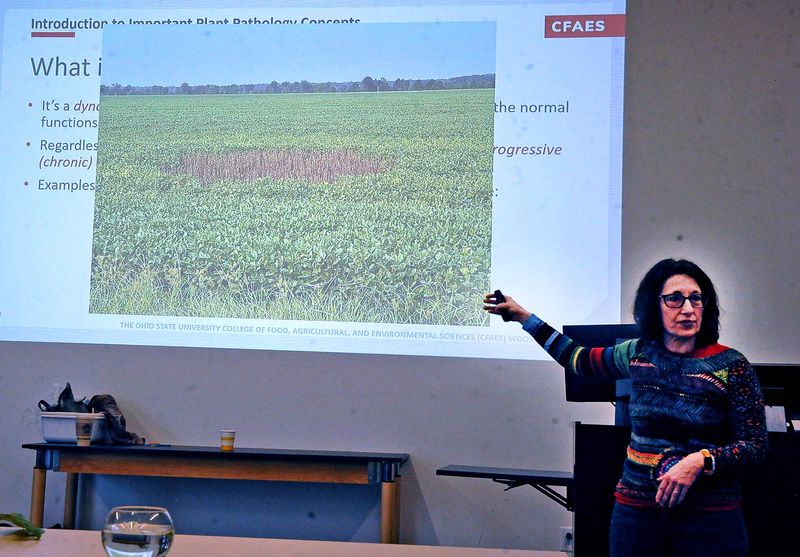
Week two of the Master Gardener Volunteer course dealt with plant pathology and pollinators.
Dr. Francesca Rotundo of the College of Food, Agriculture and Environmental Services in Wooster talked about different types of plant diseases, how they are transmitted, and how plants react to them. After diagnosing all the symptoms and signs a treatment can be used to help the plants.
The afternoon class was led by Pat Dutton of the CFAES in Wooster. Her topic was plant pollinators. There are 400 types of bees in the state of Ohio, with the honeybee being the most common. Bees are having a hard time everywhere, as 40 per cent or more of bee hives are lost each winter. Why are bees so important? Approximately one of every three bites taken when eating was made possible by a bee.
This article originally appeared on The Daily Record: Master Gardener Volunteers first tackle 10-week hands-on course
Reporting by Michael Schenk, Wooster Daily Record / The Daily Record
USA TODAY Network via Reuters Connect