In politics, elected officials, especially those who are seeking to stay in office, always “speak to the room.” In other words, they tell people what they want to hear.

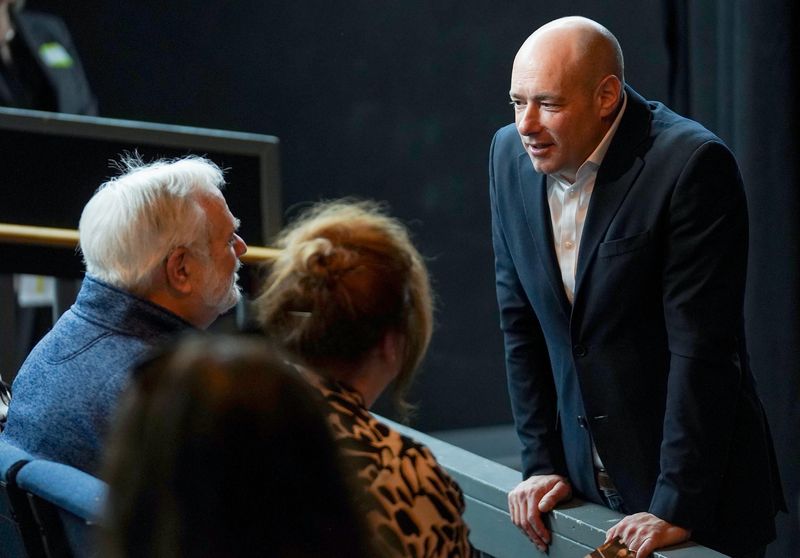
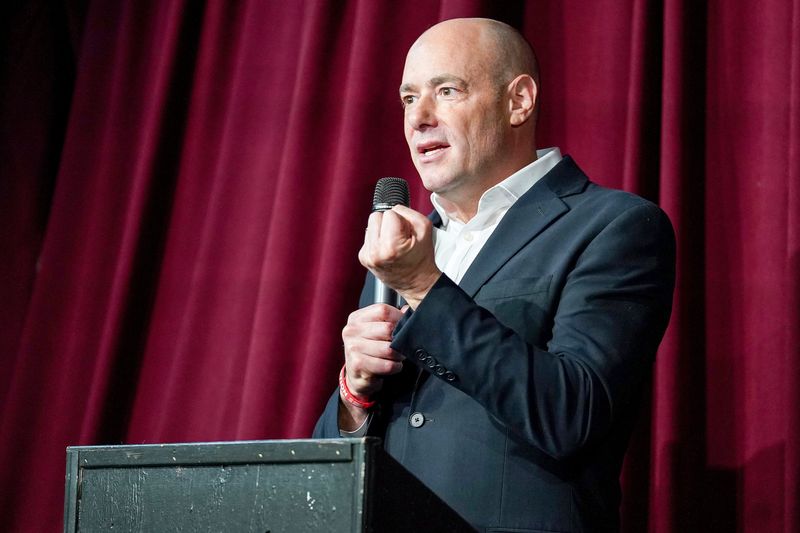
A great example of this is a recent op-ed in the Enquirer by U.S. Rep. Greg Landsman, calling out the tax breaks given to billionaires and trillionaires. Tax the rich and close the loopholes to solve the problem. Landsman was speaking to the room where he currently works on a national level.
A byproduct of these tax breaks and loopholes is a national debt and interest costs currently running at about a trillion dollars a year. That’s an enormous number that the average American would agree with Landsman is very troubling.
In his op-ed, Landsman talks positively about a recent symposium hosted by former Sen. Rob Portman on the national debt. While on the Cincinnati City Council, Landsman, a Democrat, rarely spoke kindly of Portman, a Republican. But politics can sometimes make strange bedfellows.
Landsman’s local record on taxes and debt
Even stranger is Landsman’s changed view on taxation, debt load and breaks for “stakeholders.” When Landsman was on City Council, there wasn’t a tax abatement before him that didn’t get his vote. You could call an abatement a loophole; someone gets to pay less taxes.
Then there’s The Port, a quasi-governmental entity created to manage brownfield remediation. The city and county-funded agency has evolved into a profit-margin shelter for developers, to keep them from having to pay sales tax on major building projects and stadiums, among other things. Landsman always voted to support funding for The Port, even though it deprived Hamilton County of sales tax revenues at a time when local governments are crying about their revenue streams being too small.
Landsman didn’t seem too concerned about debt load and interest costs during his time on the council. The city’s debt load was always just barely above the guidelines to protect its bond rating, while the interest cost on bond service continues to run at about a million dollars a week.
Discussions about reducing the debt load and interest costs never happened. And I don’t recall Landsman, or any council member, past or present, advocating for reducing the city’s debt load. No one sounded the alarm − ever.
The consistency voters deserve
The issue is not whether elected officials should adapt their message to address different audiences. Every public servant does that to some extent. The real question is whether the principles behind that message remain consistent.
When today’s rhetoric conflicts with yesterday’s record, voters have every right to ask why.
If tax abatements, public debt and government incentives were acceptable policy choices in one office but became symbols of fiscal irresponsibility in another, the public deserves an explanation for what changed. Was it the facts, the philosophy, or simply the audience?
Leadership is ultimately measured less by speaking to the room than by standing on principles that do not change when the room does. Voters can decide for themselves whether Landsman’s current message reflects a genuine evolution in thinking or simply the expectations of a different set of stakeholders.
Steve Deiters lives in Oakley.
This article originally appeared on Cincinnati Enquirer: Landsman’s message on debt and taxes depends on the audience | Opinion
Reporting by Steve Deiters, Opinion contributor / Cincinnati Enquirer
USA TODAY Network via Reuters Connect
By Steve Deiters, Opinion contributor | USA TODAY Network