As artificial intelligence becomes more unavoidable in the workforce, one JPMorgan Chase executive stressed that AI isn’t replacing human roles, but it is transforming them.
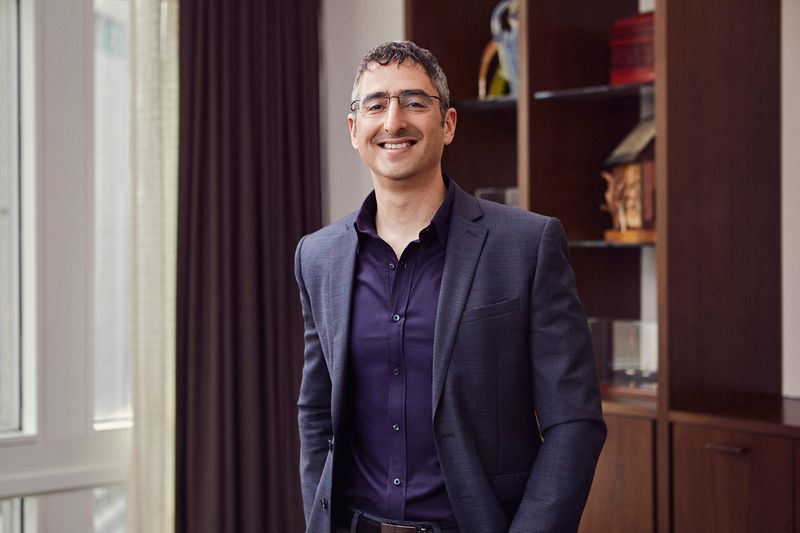
Gill Haus, chief information officer of America’s largest bank, spoke with The Dispatch about the company embracing generative AI in a May interview. The banking industry as a whole is welcoming the technology, praising generative AI for its efficiency in more tedious tasks, catching fraud and writing code, according to industrial research organization International Business Machines.

By 2030, AI is expected to reshape as much as 55% of jobs in the United States, according to a recent analysis by Boston Consulting group, a financial consulting firm. Roughly 10% to 15% of jobs could be replaced completely, the analysis found.
At Chase, Haus emphasized, people are still needed for AI succeed at what is central Ohio’s largest private employer, though like in much of the business world, what people are needed for is changing.
People ask the right questions
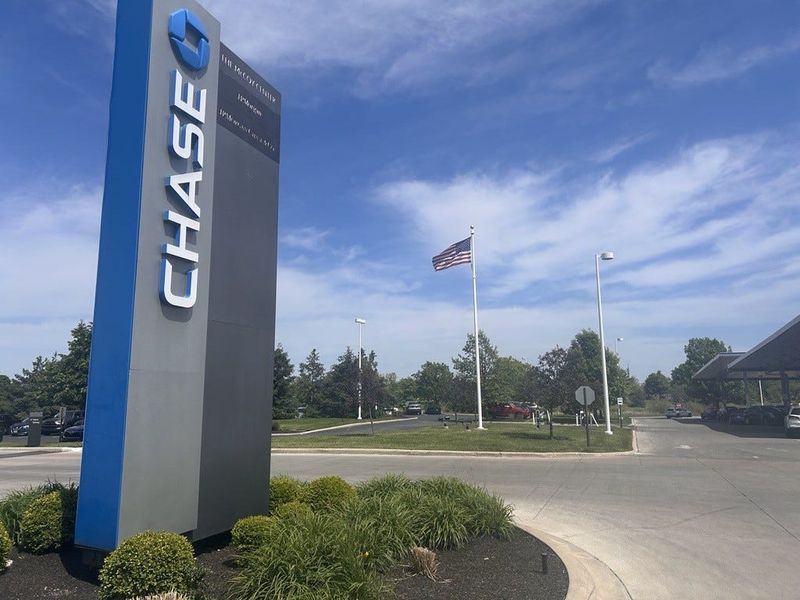
Columbus is home to 5,000 Chase technologists, mostly software engineers, tasked with keeping Chase’s many financial services running, or creating new software altogether. Part of that is coding, something AI is being increasingly used for because it can write more code and write it faster.
But coding skills aren’t useless just because AI has them, Haus assured, and neither are the computer science degrees that have not yet included AI fluency. “It’s not necessarily that coding is obsolete, so much as we’re able to take it further because minute tasks are being taken care of,” Haus explained.
Internally, Chase using what’s known as “agentic” AI, or entirely autonomous AI that can plan and execute multiple steps to achieve a specific goal. People are still needed at Chase because without being asked the right questions or given the right task, AI isn’t helpful, Haus noted. So, the fundamental knowledge of coding is necessary to be able to direct AI to the desired outcome.
This AI is still being monitored by humans at Chase as they experiment with the technology internally, Haus said, and it will be awhile before any fully autonomous AI will be interacting with customers. The company wants strong guardrails in place to protect customer data and maintain privacy of sensitive information before anything customer-facing is rolled out, which Haus said could be in the near future.
Agentic AI does not have access to databases containing sensitive customer information at Chase, Haus said, and Chase is “thoughtful” and is transparent about where they use customer data.
Soft skills reign supreme
AI fluency is a sought after skill in today’s job market, and higher ed is taking note. Ohio State University, a desirable talent pipeline for Chase, promises that all students will graduate AI fluent starting with the class of 2029.
AI fluency is a plus, but it doesn’t mean you’ll breeze into a technologist role at Chase. As AI takes over more technical tasks, soft skills are becoming more important in the workforce, Haus said. Curiosity, drive and collaboration are vital for success at not just Chase, but to the workforce that is integrating AI more and more every day.
“If you aren’t curious and aren’t thinking about what is changing and want to learn more, you won’t be able to keep up,” he said.
Chase, Haus pointed out, is over 200 years old. In its history, it’s seen the Industrial Revolution, the invention of radio, television and the internet, credit cards, smart phones and more. As technology changes, so do customer needs and Chase wants to be ready, he said. Though Haus acknowledged there is still a lot the company doesn’t know.
“We’re being very transparent about the fact that we don’t know everything, things will shift. We’re going to have to learn as it happens,” he said.
Business and consumer issues reporter Samantha Hendrickson can be reached at shendrickson@dispatch.com
This article originally appeared on The Columbus Dispatch: JPMorgan Chase exec says bank embracing AI, but people still critical to success
Reporting by Samantha Hendrickson, Columbus Dispatch / The Columbus Dispatch
USA TODAY Network via Reuters Connect