Hospitalizations related to the ongoing cyclosporiasis outbreak causing prolonged bouts of diarrhea have been reported in New York as cases continue to rise throughout the state.
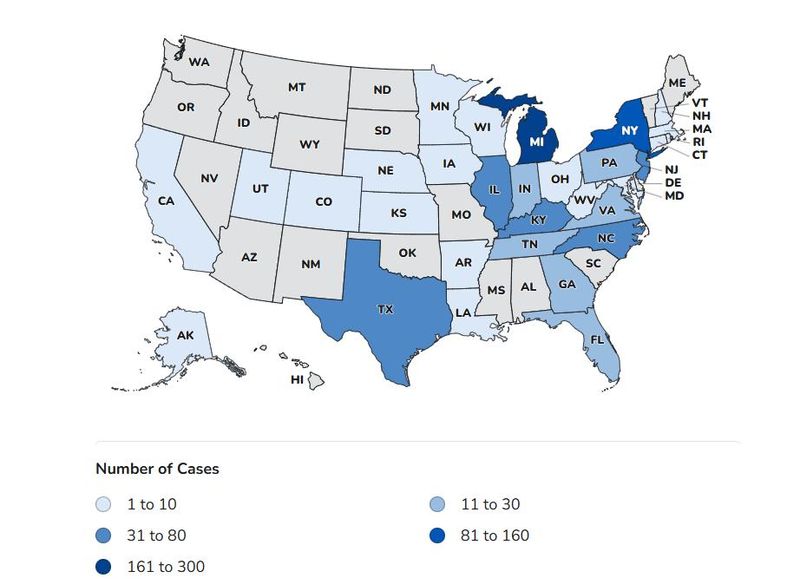
Preliminary data shared by the New York State Department of Health reveal around 517 cases have been reported statewide since May 1, 2026. However, Dr. Aaron Glatt, the Chair of the Department of Medicine at Mount Sinai South Nassau and a spokesperson for the Infectious Diseases Society of America, says there’s likely more cases out there than what’s been reported in New York.

“It probably represents a little bit the tip of the iceberg,” Glatt told USA TODAY Network New York. “Many people aren’t sick enough to even seek out their doctor. Some of them are just self-treating … And only a percentage, a small percentage, of the total are actually getting identified, diagnosed and treated.”
Here’s how New York state is handling the increase in cases.
What is cyclosporiasis and what symptoms should New Yorkers be looking for?
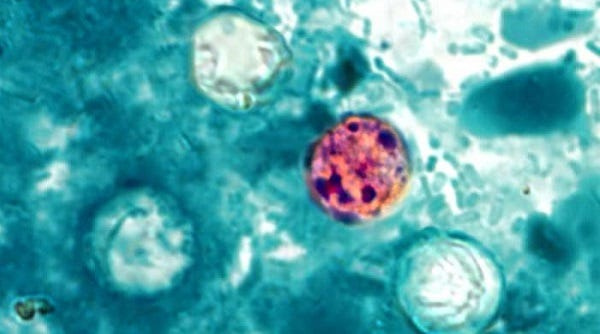
Cyclosporiasis is a microscopic parasite that can cause diarrhea in those who ingest something contaminated with it, according to the state Department of Health. It is not transmitted from person-to-person, but it can affect people of all ages.
While the most common symptom is watery diarrhea that may last several days to a month or longer, here are some other symptoms to watch for:
According to the state Department of Health, symptoms usually appear around one week after you’ve consumed the contaminated product but could take as little as two days or up to two weeks; some infected with cyclosporiasis may not experience any symptoms. The symptoms also may be recurring, which means they can come back after appearing to have gone away.
What to do if you have cyclosporiasis
Resting and drinking plenty of fluids is key to combatting the effects of diarrhea, the state Department of Health advises. You can also treat cyclosporiasis with an antibiotic called trimethoprim-sulfamethoxazole, also known as Bactrim, Septra, or Cotrim.
When asked whether New Yorkers should be concerned about this recent rise in cases, Glatt, who also serves as Mount Sinai South Nassau’s Chief of Infectious Diseases, says they “should be aware of it.”
“In terms of what people should do if they have it, it depends on the severity,” Glatt continued. “If it’s severe enough, certainly they should see their physician. Even if it’s not severe, sometimes it can be relapsing, so it might be worthwhile to get treated.”
What is New York doing about the statewide increase in cases?
As of July 8, 381 cases were reported in New York City and 129 cases were reported outside New York City, according to the state Department of Health. The overall number of cases has since increased but both have exceeded typical reported cases of cyclosporiasis for this time of year.
And while the state hasn’t confirmed any hospitalizations related to the recent outbreak to the USA TODAY Network, Glatt said there have been some hospitalizations in New York, but “not that many.” He added that those numbers are probably under-reported as well.
Local health departments are investigating cases of the disease throughout New York through phone interviews with those who have tested positive, the state Department of Health says, which is helping continue their investigation into possible sources of exposure alongside the Centers for Disease Control and Prevention and the U.S. Food and Drug Administration.
“The New York State Department of Health takes the spread of diseases seriously and works with federal partners and local health departments to identify potential outbreaks and provide guidance on prevention and treatment,” a spokesperson for the department said in a written statement on Tuesday, July 14.
“While cyclosporiasis is generally not life-threatening, as many people with healthy immune systems recover without treatment, the Department encourages all New Yorkers to be aware of the best practices to prevent cyclosporiasis and other infections common in the summer months.”
The state Department of Health ignored the USA TODAY Network’s request to interview a health official on this issue and avoided answering the following questions about the ongoing outbreak:
How you can prevent getting the diarrhea-causing parasite
While this current outbreak hasn’t been traced back to a specific item, past U.S. outbreaks have been linked to imported and domestic fresh produce such as cilantro, salad mix, basil, snow peas and raspberries. New Yorkers should thoroughly wash all fresh produce under running water before eating, cutting and cooking it and be sure to heat the items to 158 degrees or higher to kill the parasite, the state Department of Health advises.
Glatt says this applies to bagged salads too as lettuce is the suggested source currently.
“The pre-packaged lettuce can have it also,” Glatt said. “It depends if it’s coming from a source in a factory. So the fact that something is pre-packaged doesn’t mean that it is absolutely fine. So you should wash all of them.”
But, he added, “certainly don’t take lettuce off the table at this point in time.”
Emily Barnes covers state government for the USA TODAY Network-New York with a focus on how policy and laws impact New Yorkers’ taxes, communities and jobs. Follow her on Instagram or X @byemilybarnes. Get in touch at ebarnes@usatodayco.com.
This article originally appeared on Rockland/Westchester Journal News: ‘Tip of the iceberg.’ Hundreds in NY infected by parasite outbreak
Reporting by Emily Barnes, New York State Team / Rockland/Westchester Journal News
USA TODAY Network via Reuters Connect
By Emily Barnes, New York State Team | USA TODAY Network