Des Moines’ most iconic steakhouse isn’t going anywhere — at least not yet.
801 Restaurant Group, the parent company of the 801 Chophouse chain, filed for Chapter 11 bankruptcy protection on April 10, a move the company says is intended to restructure debt and keep its restaurants operating rather than shutter them outright.

The filing covers the holding company behind the upscale steakhouse brand, which began in downtown Des Moines in 1993 and has since expanded to cities including Omaha; Kansas City, Missouri; Leawood, Kansas; St. Louis; Minneapolis; Denver; and the Washington, D.C., area. Court records show the Chapter 11 case was filed in U.S. Bankruptcy Court in Kansas and lists liabilities totaling roughly $18.7 million, according to reporting by The Business Journals.
What Chapter 11 means for 801 Chophouse
Chapter 11 allows a business to continue operating while it reorganizes its finances under court supervision, according to U.S. bankruptcy law. In practical terms, that means 801 Restaurant Group can keep serving steaks, paying staff and honoring reservations while it negotiates with lenders and creditors on a longer-term plan.
The filing appears focused on preventing lenders from taking control of several locations, rather than signaling an immediate retreat from the markets where the company operates. In public statements and court filings, the company indicated that daily restaurant operations are expected to continue during the restructuring, under U.S. bankruptcy law.
That distinction matters in the restaurant world, where bankruptcy often carries an assumption of widespread closures. Chapter 11, by contrast, is frequently used as a pressure valve — buying time for companies facing rising costs, tightening credit and uneven post‑pandemic dining patterns.
Closures elsewhere, but not in Des Moines
While the Des Moines flagship appears unaffected for now, the bankruptcy filing has already coincided with at least one closure elsewhere. One of the group’s newer Minneapolis concepts, 801 on Nicollet, closed abruptly before the bankruptcy filing became public, according to multiple Twin Cities reports.
That move has raised eyebrows in other markets, particularly those where the brand expanded aggressively in recent years. Still, reservations remain available at multiple 801 Chophouse locations nationwide, including Des Moines, suggesting the company intends to protect its strongest performers while it reorganizes.
What this means for the Des Moines location
For Des Moines diners, the immediate answer is simple: 801 Chophouse remains open, operating under normal hours in its longtime home at 801 Grand Ave. in Des Moines. Downtown reservations continue to be accepted, and the restaurant’s website and booking platforms show no changes tied to the bankruptcy filing.
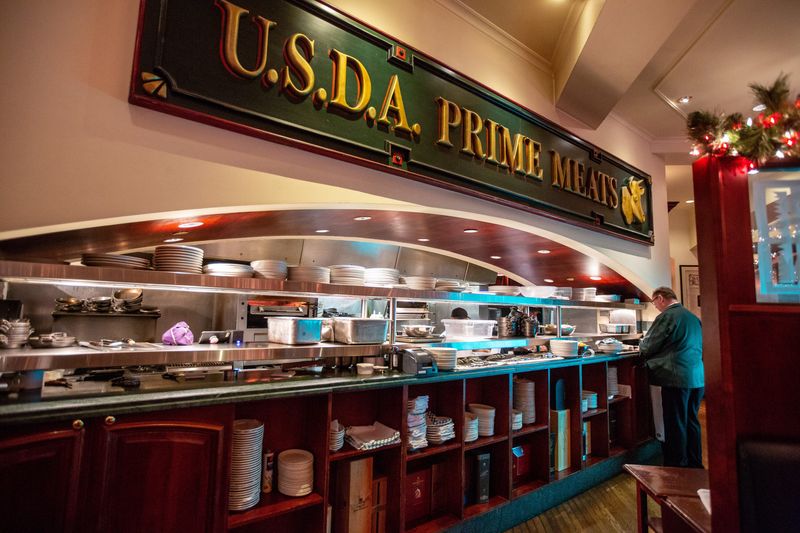
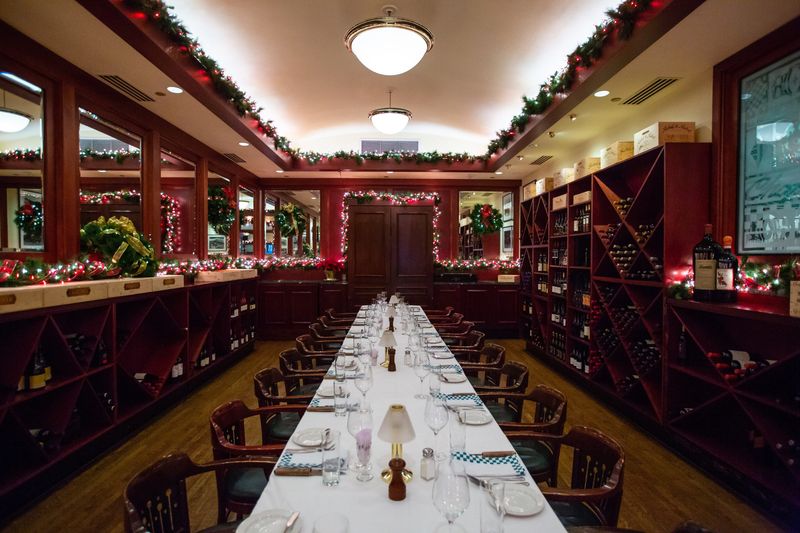
The Des Moines location holds particular significance inside the company. It is the original 801 Chophouse — the restaurant that established the brand’s reputation for dry‑aged prime beef, old‑school service and a dining room steeped in power‑lunch history. For decades, it has functioned as both a culinary anchor downtown and a reference point for the rest of the chain.
That legacy may work in the city’s favor, according to reporting by business news outlets. Flagship locations with consistent traffic and established clientele are often prioritized in Chapter 11 restructurings, while newer or underperforming units face closer scrutiny.
A broader industry squeeze
The bankruptcy filing places 801 Restaurant Group among a growing list of restaurant companies grappling with a difficult financial landscape. Rising labor costs, higher interest rates, fluctuating foot traffic and inflation‑driven food prices have made it harder for even high‑end dining rooms to maintain pre‑pandemic margins.
Steakhouses, in particular, face the double challenge of premium beef costs and diners who are more selective about when — and how often — they commit to $75 entrees and $20 cocktails.
Industry analysts note that Chapter 11 filings don’t always signal trouble at the table, but rather strain behind the scenes — especially for restaurant groups that expanded quickly using debt at a time when borrowing was cheaper.
What happens next
The bankruptcy process now moves into its technical phase: creditor meetings, court deadlines and the development of a reorganization plan. Court records show the case will remain active through the spring, with key hearings scheduled in May.
For Des Moines, none of that plays out on the plate — at least for now. Steaks will still arrive sizzling, martinis will still be cold, and downtown expense-account dinners will continue uninterrupted.
Sign up for our dining newsletter, Table Talk DSM, which comes out on Wednesday mornings with all the latest news on restaurants and bars in the metro. You can sign up for free at DesMoinesRegister.com/tabletalk.
Susan Stapleton is the entertainment editor and dining reporter at The Des Moines Register. Follow her on Facebook, Twitter, or Instagram, or drop her a line at sstapleton@gannett.com.
This article originally appeared on Des Moines Register: What 801 Chophouse’s bankruptcy means for diners in Des Moines
Reporting by Susan Stapleton, Des Moines Register / Des Moines Register
USA TODAY Network via Reuters Connect